
As per case facts, the Andhra Pradesh State Electricity Board (APSEB) initially offered a 25percent rebate on demand and energy charges for High Tension industries, which was contingent on the ...
No Acts & Articles mentioned in this case
http://JUDIS.NIC.IN SUPREME COURT OF INDIA Page 1 of 5
PETITIONER:
A.P. STATE ELECTRICITY BOARD AND ORS.
Vs.
RESPONDENT:
SARADA FERRO ALLOYS LTD.
DATE OF JUDGMENT25/02/1993
BENCH:
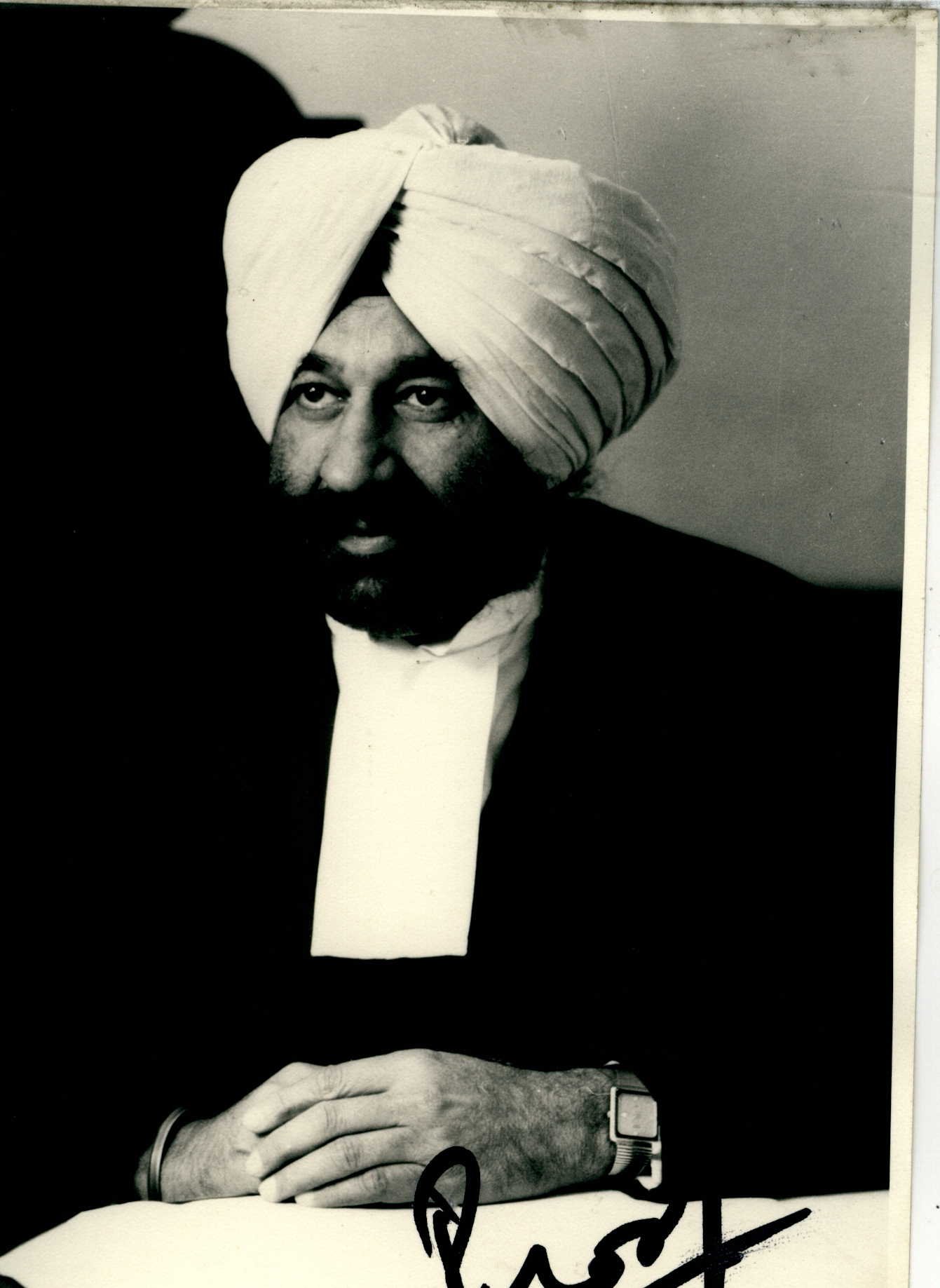
KULDIP SINGH (J)
BENCH:
KULDIP SINGH (J)
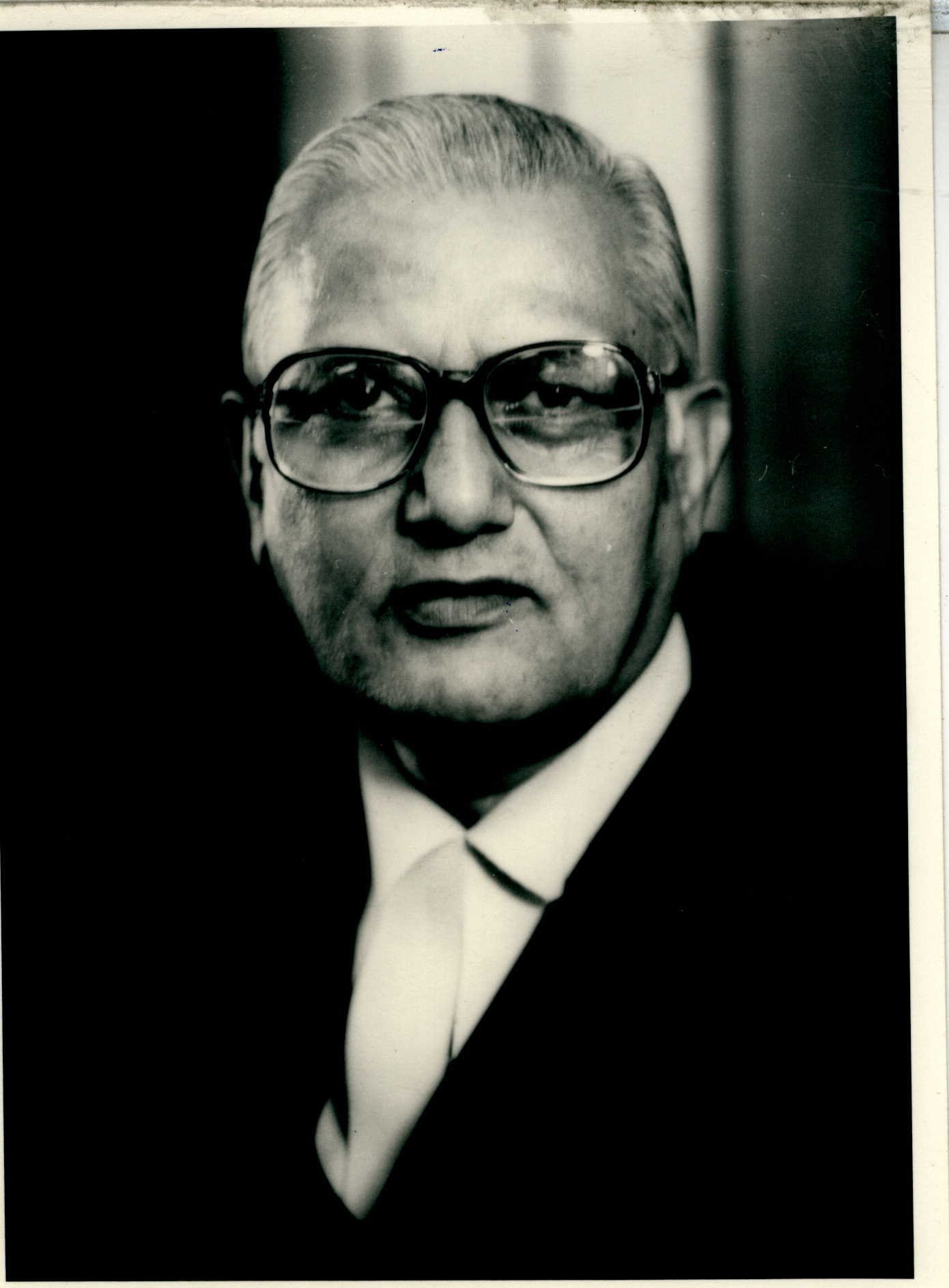
KASLIWAL, N.M. (J)
CITATION:
1993 AIR 1521 1993 SCR (2) 114
1993 SCC (2) 425 JT 1993 Supl. 37
1993 SCALE (1)712
ACT:
Promissory estoppel-Electricity Board-Grant of rebate in
demand and energy charges-Subsequent withdrawal of rebate-
Industry established during the period when concession was
not operative--Held not entitled to rebate--Doctrine of
promissory estoppel held inapplicable.
HEADNOTE:
The Andhra Pradesh State Electricity Board granted rebate of
25 per cent in demand and energy charges for High Tension
industries and asked the Director of Industries to identify
the industries which would be eligible for the rebate. By
its order dated July 13, 1976 the State extended the rebate
to certain industries. The Board also issued order
extending the concession to the notified industries for a
period of three years from the date of their going into
regular production. By an order dated August 23, 1985, the
concession already granted was extended for two more years,
i.e. a total of five year. However, by its order dated
December 8, 1987 the Board withdrew the concession. The
State Government also issued similar order dated July 27,
1989 withdrawing the rebate. The respondent-company which
established a Ferro Chrome industry and commenced production
on regular basis on August 11, 1990 claimed concession but
the same was refused by the Board on the ground that the
said concession had already been withdrawn. 'Me company
filed a writ petition before the Andhra Pradesh High Court
seeking a declaration that it was entitled to rebate as
declared by the State Government in its letter dated August
23, 1985. A Single Judge of the High Court allowed the
petition on the ground that the respondent-company having
acted upon the representation made by the Board and the
State Government the doctrine of promissory estoppel was
attracted and as such the Board and the State Government
were bound to grant rebate for a period of five years. The
writ appeal preferred by the Board was dismissed by a
Division Bench of the High Court. The Electricity Board
riled an appeal in this Court.
Allowing the appeal and setting aside the judgment of the
High Court, this Court,
115
http://JUDIS.NIC.IN SUPREME COURT OF INDIA Page 2 of 5
HELD- 1. The High Court was not justified in applying the
doctrine of promissory estoppel to the facts and
circumstances of this case.
[117H,118A]
2. Only those industries were entitled to the benefit of
the incentive who fulfilled the requirements during the
period the incentive was operative The promise or
representation made by the Board In Its letter dated July
13, 1976, if any, was directly linked with the date of
commencement of production by the company. It is not
disputed that the respondent-company commenced production on
commercial scale on August 11, 1990. The incentive was
withdrawn by the Board on December 8, 1987 and by the
Government on July 27, 1989. Whichever date Is taken into
account the company was not entitled to the incentive as it
had not commenced production tin or before either of these
two dates. [119A-B, D]
2.1. Even if it is assumed that a promise or representation
was made by the Board the doctrine of promissory estoppel is
not attracted in this case as the company failed to act upon
the said representation. Therefore, the assumption
entertained by the High Court that once the company started
the process or setting up an industry and had incurred
expenditure, the Board was bound to keep its incentive open
for the company till it started production is not correct.
[119B-C]
Union of India v. Godfrey Phillips India Ltd., 119851 4
S.C.C. 369, relied on.
JUDGMENT:
CIVIL APPELLATE JURISDICTION : Civil Appeal No. 766 of 1993.
From the Judgment and Order dated 7.2.92 of the Andhra
Pradesh High Court in W.A. No. 1271 of 1991.
Shanti Bhushan, K. Rajendra Chowdhary and R.K. Sharma for
the Appellants.
G.L. Sanghi, Duba Mohan Rao, Y.P. Rao, Dhruv Mehta, T.V.S.N.
Chari, Ms. Suruchi Aggarwal and Ms. Bharati Reddy for the
Respondent.
The Judgment of the Court was delivered by
116
KULDIP SINGH, J. Special leave granted.
The Andhra Pradesh State Electricity Board (the Board), in
exercise of its powers under Section 49 of the Electricity
Supply Act, 1948 (the Act) issued order dated September 17,
1975 granting rebate of 25% in demand and energy charges for
High Tension Industries. It was specifically mentioned
therein that the rebate was to be allowed from the date of
going into regular production on or after January 1, 1976.
The Board, thereafter, asked the Director of Industries to
identify the High Tension Industries which would be eligible
for the 25% rebate declared by the Board. The State
Government issued the order dated July 13, 1976 extending
the rebate to all the industries except 65 notified in the
Government order dated March 9, 1976. Thereafter the Board
issued order dated August 10, 1976 extending the concession
to all the High Tension Industries except the 65 excluded by
the State Government.
The State Government issued order dated August 23, 1985
specifying certain incentives available to the industries in
the three backwards districts of the Sate. The concession
of 25% tariff already granted by the Board was extended for
two more years i.e. a total of five years.
The Board withdrew the concession of 25% rebate to the High
http://JUDIS.NIC.IN SUPREME COURT OF INDIA Page 3 of 5
Tension Industries by its order dated December 8, 1987. The
State Government also issued similar order dated July 27,
1989 withdrawing the rebate.
The respondent M/s. Sarada Ferro Alloys Ltd. (the Company)
decided to establish an industry to produce Ferro Chrome.
According to the company it obtained a small scale industry
certificate on September 5, 1986. It further obtained 'no
objection' certificate from Andhra Pradesh Pollution Board
on November 12, 1986. The case of the company further is
that it purchased 4.01 acres of land during the period
September 1986 to May, 1989. The Board called upon the
campany by its letter dated December 9, 1987 to deposit Rs.
8, 40, 200 towards service-lines. the company entered into
an agreement with the Board on August 21,1989 for the supply
of the electricity. It is the case of the company that it
commenced production on regular basis on August 11, 1990.
The company requested the Board by its letter dated June 29,
1991
117
to extend concession of 25% rebate for a period of five
years from the date it started production. The company
based its demand on the State Government order dated August
23, 1985. The Board by its letter dated July 9, 1991
declined to give the concession to the company on the ground
that the said concession had already been withdrawn by the
Board by its order dated December 8, 1987.
The company challenged the communication of Board dated July
9, 1991 by way of a writ petition before the Andhra Pradesh
High Court. The company further sought a declaration that
it was entitled to 25% power rebate as declared by the State
Government in its letter dated August 23, 1985. The learned
Single Judge of the High Court by its judgment dated
November 8, 1991 allowed the writ petition. The writ appeal
preferred by the Board was dismissed by a Division beach of
the High Court by its judgment dated February 7, 1992. This
appeal by way of special leave is against the judgment of
the High Court.
The High Court allowed the writ petition of the company on
the sole ground that the respondent-company having acted
upon the representation made by the Board and the State
Government, the doctrine of promissory estoppel was
attracted and as such the Board and the State Government
were bound to grand 25% rebate for a period of five years.
The Division Bench of the High Court based its conclusions
on the reasoning which is reproduced hereunder:-
"The material now before us clearly shows that
by 30.6.87 the company had incurred an
expenditure of Rs. 11,07,328 towards purchase
of land and other expenditure including civil
works. Even if we take 8.12.87 as the
relevant date it cannot be disputed that by
that date considerable expenditure was already
incurred by the petitioner for setting up the
industry and this was done on the basis of the
promise held out by the Government in G.O. Ms.
No. 375 dated 23.8.85 and the consequential
B.P. Ms. No. 689 dated 17.9.75, B.P. Ms. No.
691 dated 10.8.76 and B.P. Ms. No. 152 dated
13.2.78. Whichever date was taken into
account, either 27.7.89 of 8.12.87, there is
no valid reason for the Electricity Board to
withdraw the concessions earlier granted. As
we have found on facts that the first
respondent had acted on the promise held out
by the Government and the Electricity Board,
http://JUDIS.NIC.IN SUPREME COURT OF INDIA Page 4 of 5
both of them arc bound by that promise."
118
We have given our thoughtful consideration to the reasoning
and the conclusions reached by the High Court. We are of
the view that the High Court was not justified in applying
the doctrine of promissory estoppel to the facts and
circumstances of this case. This Court in Union of India v.
Godfrey Phillips India Ltd., [1985] 4 SCC 369 explained the
principles of promissory estoppel in the following words-
"The true principal of promissory estoppel is
that where one party has by his word or
conduct made to the other a clear and
unequivocal promise or representation which is
intended to create legal relations or effect a
legal relationship to arise in the future,
knowing or intending that it would be acted
upon by the other party to whom the promise or
representation is made and it is in fact so
acted upon by the other party, the promise or
representation would be binding on the party
making it and he would not be entitled to go
back upon it, if it would be inequitable to
allow him to do so, having regard to the
dealings which have taken place between the
parties."
We may now examine the promise or representation said to
have been made by the appellant and acted upon by the
company. The operative part of the order dated July 13,
1976 issued by Board is as under
"The revised power tariff notified by the A.P.
State Electricity Board with effect from
20.10.1975 offers a rebate of 25% on demand
and energy charges for specified H.T.
consumers as an incentive to new industries
for the first three years from the date of
their going into production (emphasis
supplied)."
The High Court has primarily based its conclusions on the
Government letter dated August 23, 1985. The relevant part
of the said order is as under:-
"Power :- At present the Andhra Pradesh State
Electricity Board offers 25% tariff concession
for the first three years for certain
industries. This concession would be extended
for two more years i.e. a total of five years.
Twenty-five
119
per cent concession tariff would be met for
the additional 2 years from out of the
Industries budget."
It is clear from the Government order reproduced above that
the Government extended the concession already granted by
the Board for three years for a further period of two years.
We have, therefore, to see what is the promise or the
representation held out to the company in the order of the
Board dated July 13, 1976 reproduced above.
We are of the view that the promise or representation made
by the Board in its letter dated July 13, 1976, if any, was
directly linked with the date of commencement of production
by the company. It is not disputed that the respondent-
company commenced production on commercial scale on August
11, 1990. The incentive was withdrawn by the Board on
December 8, 1987 and by the Government on July 27, 1989.
Whichever date is taken into account the company was not
entitled to the incentive as it had not commenced production
http://JUDIS.NIC.IN SUPREME COURT OF INDIA Page 5 of 5
on or before either of these two dates. Even if it is
assumed that a promise or representation was made by the
Board in its letter dated July 13, 1976, the doctrine of
promissory estoppel is not attracted in this case as the
company failed to act upon the said representation. We do
not agree with the assumption entertained by the High Court
that once the company started the process of setting up an
industry and had incurred expenditure, the Board was bound
to keep its incentive open for the company till it started
production. We are of the view that only those industries
were entitled to the benefit of the incentive who fulfilled
the requirements during the period the incentive was
operative.
Mr. Shanti Bhushan, learned counsel for the appellant has
further contended that the orders dated July 13, 1976 and
December 8, 1987 were issued by the Board in its statutory
power under Section 49 of the Act. According to him these
orders being statutory there can be no promissory estoppel
against the Board. He further contended that there were no
directions by the State Government under Section 78A of the
Act. The view we have taken on the question of promissory
estoppel it is not necessary to go into these additional
grounds urged by Mr. Shanti Bhushan.
We allow the appeal and set aside the judgment dated
November 8,
120
1991 of the learned Single Judge and dated February 7, 1992
of the Division Bench of the High Court in writ appeal. The
writ petition filed by the respondent-company in the High
Court is dismissed. We leave the parties to bear their own
costs.
T.N.A.
Appeal allowed.
121
In a pivotal judgment, the Supreme Court of India delivered a crucial decision in the case of A.P. State Electricity Board And Ors. vs. Sarada Ferro Alloys Ltd., on February 25, 1993. This ruling critically examines the application of the [Electricity Tariff Rebate] and the [Promissory Estoppel Doctrine] in the context of industrial incentives. Available for in-depth analysis on CaseOn, this case offers significant insights into the limitations and prerequisites for claiming benefits based on past representations.
The Andhra Pradesh State Electricity Board (APSEB) introduced an incentive scheme offering a 25% rebate on demand and energy charges for High Tension (HT) industries. This scheme, initially launched on September 17, 1975, was designed to encourage new industries, with benefits available from January 1, 1976, for a period of three years from the date of regular production.
Over time, the scheme saw extensions and modifications:
However, the incentive was subsequently withdrawn:
Sarada Ferro Alloys Ltd. (the Respondent Company) decided to establish a Ferro Chrome industry. They obtained necessary certificates in 1986, incurred expenditure, and eventually commenced commercial production on August 11, 1990. Upon seeking the 25% power rebate, their claim was refused by APSEB, citing the withdrawal of the concession.
Aggrieved, the Respondent Company filed a writ petition before the Andhra Pradesh High Court. A Single Judge initially ruled in their favor, applying the doctrine of promissory estoppel. The Single Judge held that since the company had acted upon the representations made by the Board and the State Government, they were bound to grant the rebate for five years. This decision was subsequently upheld by a Division Bench of the High Court, leading APSEB to appeal to the Supreme Court.
The primary issue before the Supreme Court was whether the doctrine of promissory estoppel could be invoked to compel APSEB to grant an electricity tariff rebate to an industry that commenced commercial production *after* the incentive scheme had been formally withdrawn by both the Board and the State Government.
The Supreme Court, referencing its earlier pronouncement in *Union of India v. Godfrey Phillips India Ltd., [1985] 4 SCC 369*, reiterated the foundational principles of promissory estoppel:
Crucially, the Court emphasized that the benefit of an incentive scheme is typically available only to those who fulfill its requirements *during the period it is operative*.
The Supreme Court meticulously analyzed the timeline of events and the core tenets of promissory estoppel:
For legal professionals seeking deeper insights into such intricate case analyses, CaseOn.in offers 2-minute audio briefs that provide swift, concise summaries, making it easier to grasp the nuances of judgments like this one.
The Supreme Court allowed the appeal filed by the Andhra Pradesh State Electricity Board. It set aside the judgments of both the Single Judge and the Division Bench of the Andhra Pradesh High Court. The Supreme Court unequivocally held that the High Court was not justified in applying the doctrine of promissory estoppel under the facts and circumstances of this case, as the Respondent Company had not commenced production within the operative period of the incentive scheme.
This judgment serves as a vital precedent for understanding the strict application of the doctrine of promissory estoppel, especially in cases involving government incentives and policy changes. For lawyers, it underscores the importance of verifying the operative period of any promised benefit and advising clients on the potential risks of relying on representations once policies are withdrawn. For law students, it provides a clear example of how courts interpret the conditions precedent for estoppel and the necessity of acting upon a promise within its valid timeframe.
All information provided in this analysis is for informational purposes only and does not constitute legal advice. While efforts have been made to ensure accuracy, readers are encouraged to consult with legal professionals for advice pertaining to their specific circumstances.

 Login with google
Legal Notes
Add a Note....