
As per case facts, an election petition was filed where the appellant provided a "true copy" of the petition to the respondent. This copy failed to indicate that the appellant's ...
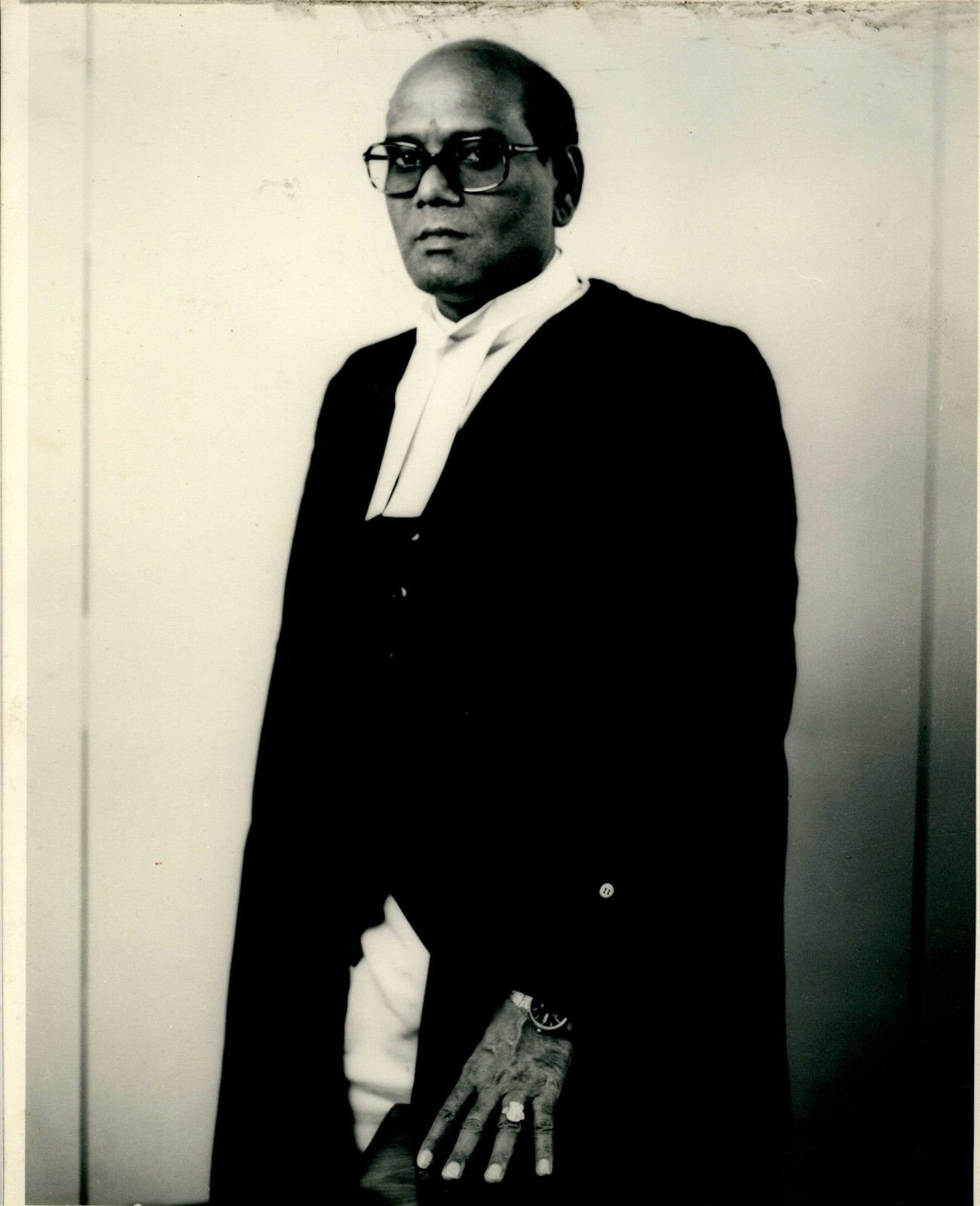
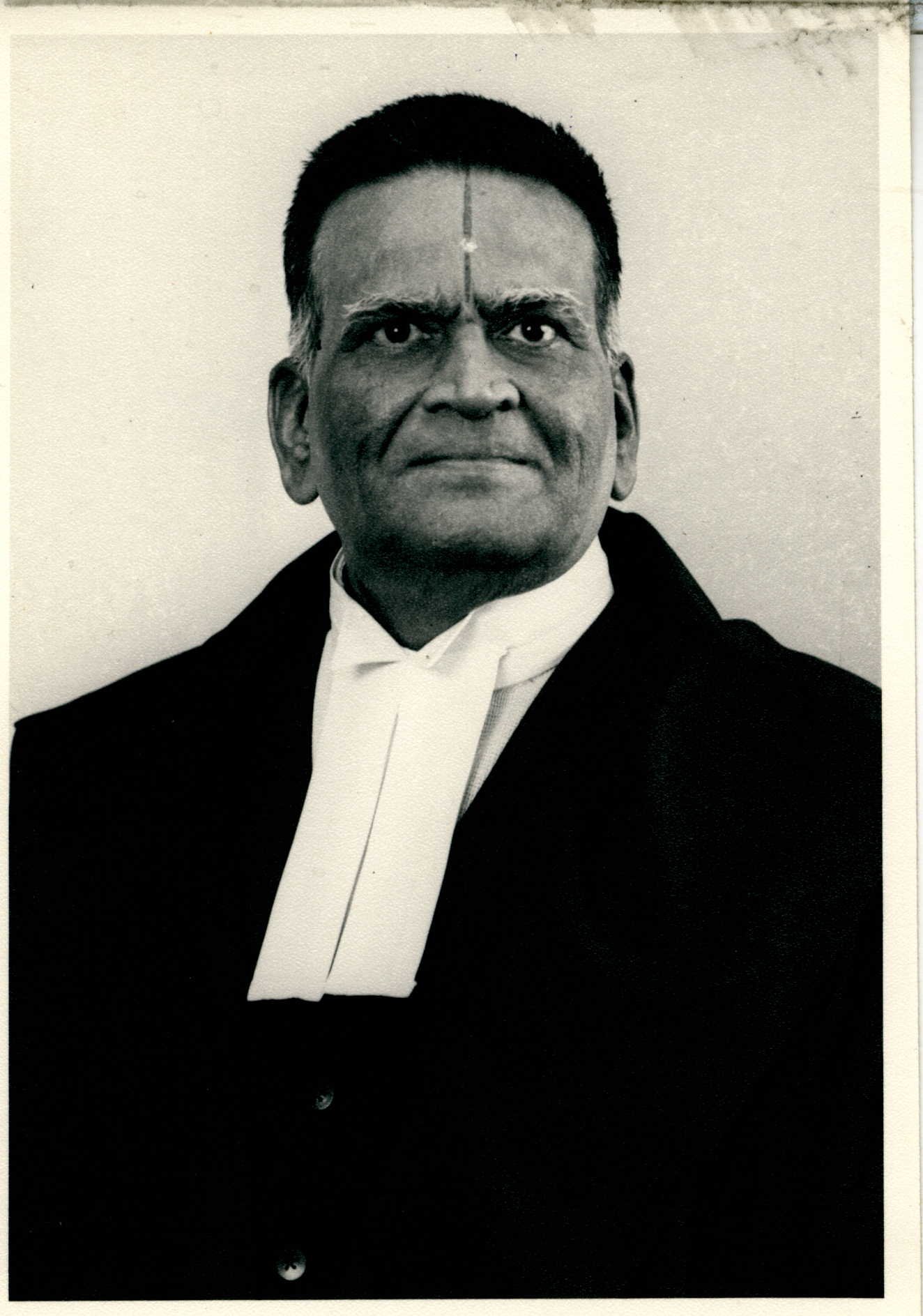
No Acts & Articles mentioned in this case
http://JUDIS.NIC.IN SUPREME COURT OF INDIA Page 1 of 1
PETITIONER:
DR. (SMT.) SHIPRA
Vs.
RESPONDENT:
SHRI SHANTI LAL KHOIWAL
DATE OF JUDGMENT: 03/04/1996
BENCH:
RAMASWAMY, K.
BENCH:
RAMASWAMY, K.
BHARUCHA S.P. (J)
PARIPOORNAN, K.S.(J)
CITATION:
1996 AIR 1691 1996 SCC (5) 181
JT 1996 (5) 681 1996 SCALE (3)369
ACT:
HEADNOTE:
JUDGMENT:
WITH
CIVIL APPEAL NOS.8080 OF 1994 AND 6635 OF 1995.
AND
CIVIL APPEAL NO.200 OF 1993
Jhamak Lal
V.
Dr. Laxminarayan Pande & Ors.
J U D G M E N T
BHARUCHA, J.
I am in respectful agreement with the judgment and
order of our learned brother, K. Ramaswamy, J. I would set
out may reasons, briefly, thus:
The question that must be posed, as indicated by this
Court's previous decisions, is : does the document
purporting to be a true copy of the election petition
mislead in a material particular ? The "true copy" of the
election petition furnished by the appellant election
(election petitioner) to the respondent (the successful
candidate) did not show that the appellant's affidavit
supporting his allegations of corrupt practice had been duly
sworn or affirmed. Where corrupt practice is alleged, the
election petitioner must support the allegation by making an
affidavit in the format prescribed. An affidavit must be
sworn or affirmed in the manner required by law, or it is
not an affidavit. The document purporting to be a true copy
of the election petition furnished by the appellant to the
respondent gave the impression that the appellant's
affidavit supporting his allegations of corrupt practice had
not been sworn or affirmed and was, therefore, no affidavit
at all; it misled in a material particular and its supply
was, as the High Court held, fatal to the election petition.
The landmark judgment of DR. (SMT.) SHIPRA vs. SHRI SHANTI LAL KHOIWAL, delivered on April 3, 1996, by the Supreme Court of India, remains a crucial precedent in Election Law, particularly concerning the meticulous handling of allegations pertaining to Corrupt Practices in Elections. This significant ruling, available on CaseOn, underscores the stringent requirements for election petitions, especially when severe accusations are leveled.
The primary question before the Supreme Court was whether the 'true copy' of the election petition furnished to the respondent contained a material particular that was misleading, specifically regarding the proper affirmation or swearing of an accompanying affidavit alleging corrupt practices. In essence, did the appellant's failure to accurately reflect the duly sworn affidavit in the furnished copy render the entire election petition invalid?
The law mandates strict compliance for election petitions, especially when allegations of corrupt practice are made. Such allegations must be supported by an affidavit, drawn in a prescribed format, and duly sworn or affirmed as per legal requirements. An affidavit not properly sworn or affirmed is, by legal definition, not an affidavit at all. The furnishing of a 'true copy' of the election petition, along with all its annexures, to the respondent is a fundamental procedural requirement, and any material discrepancy can have severe consequences.
In the case of DR. (SMT.) SHIPRA vs. SHRI SHANTI LAL KHOIWAL, the appellant (election petitioner) had furnished a copy of the election petition to the respondent (the successful candidate). This copy, however, failed to indicate that the appellant's affidavit, which supported the allegations of corrupt practice, had been duly sworn or affirmed. This omission created a critical impression: that the affidavit was, in fact, not properly executed and thus, legally, not an affidavit at all.
The Supreme Court, echoing the High Court's findings, emphasized that this defect was not a minor oversight but a material particular that misled the respondent. The absence of proper swearing or affirmation effectively stripped the document of its legal character as an affidavit. Given the grave nature of 'corrupt practice' allegations in election law, the procedural integrity of supporting documents is paramount. This case highlights how such seemingly technical omissions can undermine the entire legal challenge.
For legal professionals and students looking for deeper insights into such nuanced rulings, CaseOn.in offers invaluable 2-minute audio briefs that simplify complex judgments and help analyze their implications quickly and efficiently.
The Supreme Court concurred with the High Court, ruling that the misleading nature of the 'true copy' concerning the affidavit was fatal to the election petition. The failure to accurately represent the duly sworn or affirmed status of the affidavit constituted a material defect, leading to the dismissal of the election petition. The judgment reinforces the principle that procedural exactitude is not a mere formality but a cornerstone of justice in electoral disputes.
This judgment serves as a vital reminder for lawyers drafting election petitions, particularly those involving allegations of corrupt practices, to ensure absolute precision in all filings and their accompanying copies. Even seemingly minor omissions can be deemed 'material' and lead to the dismissal of an otherwise substantive claim. For law students, it offers a practical illustration of how strict statutory compliance, especially in special statutes like election law, is interpreted and enforced by the judiciary.
All information provided in this article is for informational purposes only and does not constitute legal advice. Readers should consult a qualified legal professional for advice on any specific legal issue.

 Login with google
Legal Notes
Add a Note....