
As per case facts, the appellant's election to the Punjab Vidhan Sabha was challenged by the respondent, alleging disqualification under Section 8(3) of the Representation of the People Act, 1951. ...
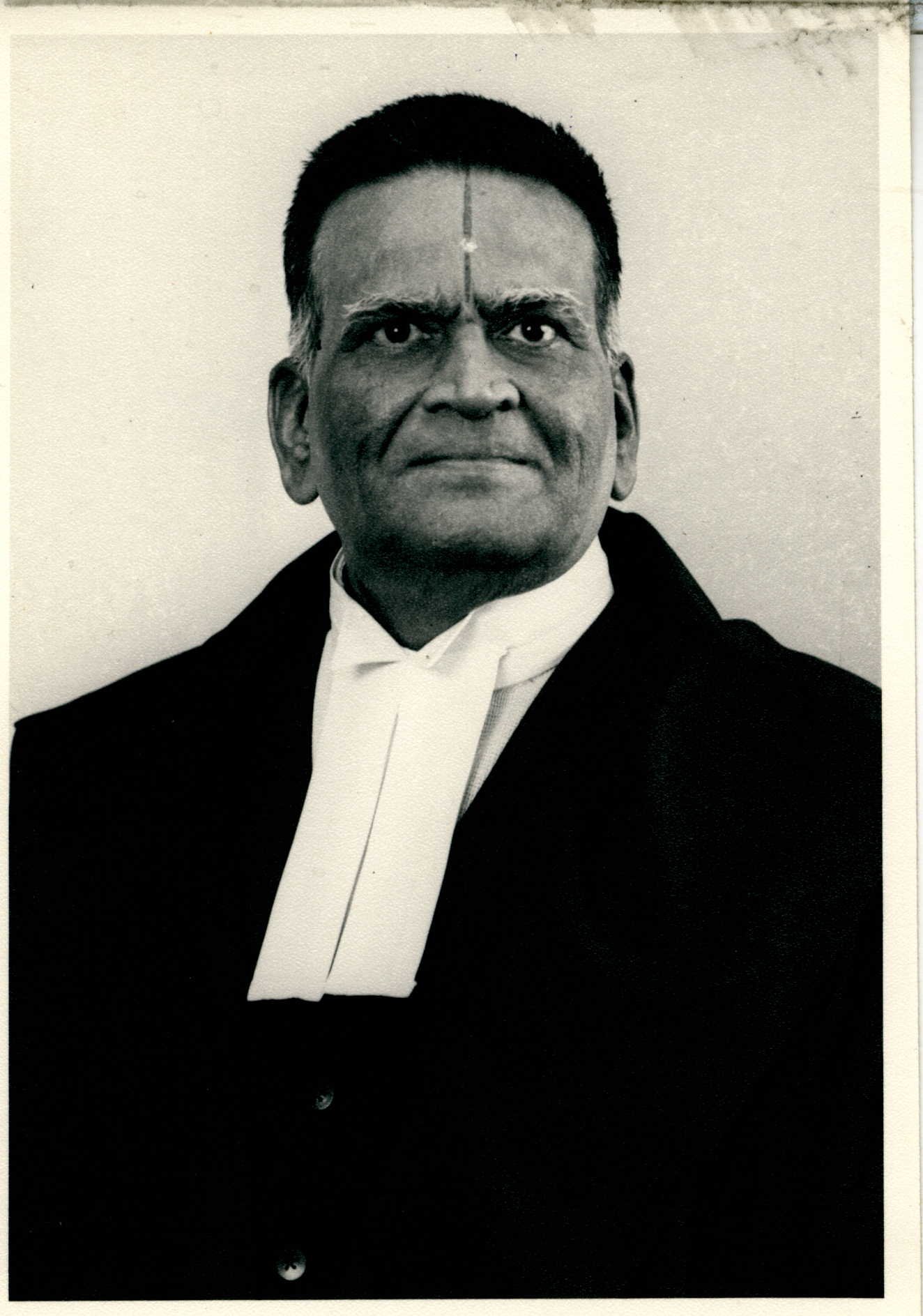
No Acts & Articles mentioned in this case
A RAGHBIR SINGH
v.
SURJIT SINGH AND ORS. ETC. ETC.
AUGUST 22, 1994
B
1[J.S. VERMA AND K.S. PARJPOORNAN, JJ.]
Represe11tation of the People Act, 1951 :
Secti011s 5, 8(3 )-Membership of Legislative Assemblr-£lectio11
C to-Disqualificatio1i-f'rescription ~f period of disqualification based 011 clas
sification of offences according to their nature and period of convic
tiolt-Held, not arbitrary-Nor open to judicial scruti11y--i.egislature has wide
discretion in matter of c/assificatio11.
The respondent filed an election petition before the High Court
D challenging appellant's election to Punjab Vidhan Sabha held in Feb. 1992,
on the ground
that be was disqualified to be a candidate at the time
of the
election. The appellant
bad been convicted and sentenced to 3 years
rigorous Imprisonment
under
s.32,~ read with s.149 J.P.C. by the trial cburt
on 15.11.1984, and having failed i10 the High Court and in this Court, be
E served out bis sentence and was released on 14.11.1988. The High Court
declared appellant's election to be void holding that in view of the
provisions or s.8(3) of the Representation or the People Act, 1951, he was
disqualified lo be a candidate in the said election. Aggrieved, the appellant
filed the appeal under s.116A of the Act. He also filed the writ petition
under Article 32 or the Constitution challenging constitutional validity of
F s.8(3) or the Act.
It was t:ontended on behatr or the appellant that the period or
disqualification in sub-sections (l]i, (2) and (3) or s.8 of the Act should be
Identical and, like in sub-s.(1), 11eriod of disqualification in sub-s. (3)
G should also be read as six years from the date of conviction and not from
the date of release as there is no rational basis for providing different
period of disqualification in different sub-sections of s.8 of the Act.
Dismissing the appeal as also the writ petition, this Court
H HELD: 1.1. Prescription ofp,eriod of disqualification in sub-sections
766
' •
'
•
RAGHBIR SINGHv. SURJIT SINGH [VERMA, J.] 767
(1), (2) and (3) of section 8 of the Representation of the People Act, 1951 A
for different classes of persons convicted of different offences is based on
the
well recognised mode of classification ofoffecnes having regard to their
nature and period of sentence,
and is within the domain of legislative
discretion and wisdom, which is not open to judicial scrutiny.
The legisla-
ture has
wide discretion in the matter of classification and there is no B
arbitrariness reflected in the classification.
[770-E, F, G)
1.2. The categories of persons covered by sub-sections (1), (2) and
(3) of section 8 of the Act being different and distinct, comparison inter se
between any two of these three distinct classes is not permissible. While
sub-section
(1) enumerates the offences which are considered to be of one C
category and the period of six years disqualification from the date of
conviction
is provided for them irrespective of the sentence awarded on
such conviction, in sub-section
(2) are specified some other offences,
conviction for which
is considered significant for disqualification only if
the sentence is of imprisonment for not less than six.months and in that D
case a longer period of six years disqualification since release bas been
considered appropriate. Sub-section
(3), which is the residuary provision,
governs all persons convicted of any offence [other than any offence
referred to in sub-section
(1) or sub-section (2)) and sentenced to
im
prisonment for not less than two years, and it bas been considered ap- E
propriate to prescribe the same six years period of disqualification since
release for all of them as they constitute one class. The provisions, there
fore, cannot be said to be discriminatory. [770-D; 769-F -G-H; 770-B, C, El
CIVIL APPELLATE JURISDICTION : Civil Appeal No. 933 of
~~ F
From the Judgment and Order dated 23.12.93 of the Punjab &
Haryana High Court in E.P. No. 6 of 1992.
R.K Jain and S.B. Upadhyay for the Appellant/Petitioner.
K. Madhava Reddy, M.L. Verma, B.S. Jain, Mahesh Srivastava and
V.D. Khanna for the Respondents.
The following Judgment of the Court
was delivered by
G
VERMA, J.
Pursuant to the notification to elect a Member for the H
768 ..
SUPREME COURT REPORTS [1994] SUPP. 2 S.C.R.
A Punjab Vidhan Sabha to represent the Giddarbha Assembly Constituency,
the appellant Reghbir Singh filed his 11omination on 1.2.1992 which was
found valid in the scrutiny on 22.1992, and he contested the election held
on
19.2.1992 wherein he was declared only elected on
20.2.1992. There
after, the ,respondent Surjit Singh, a voter from that constituency filed an
B Election Petition for a declaration that the appellant's election was void on
the ground that he
was disqualified to be a candidate at the time of
·
election. The facts on which this ground is based are admitted.
The appellant
was convicted for an offence punishable under
Section
326 read with Section 149, l.P.C. and sentenced to three years rigorous
C imprisonment and a fine of Rs. 100 in addition to his conviction and
sentence also under some other sections of the Indian Penal Code, by the
Trial Court on
15.11.1984. The appellant's appeal against his conviction
and sentence
was dismissed by the High Court on 10.4.1987 and the special
leave petition against the same
was rejected by this Court on 30.11.1987.
D The appellant was in jail to serve out his sentence from 8.9.1987 to
21.10.89
and again from 8.2.1988 to 14.11.1989. There is no dispute that in accord
ance with the plain language of sub-section (3) of Section 8 of the Repre
sentation of the People Act, 1951 (hereinafter referred to as the "RPA
Act") the appellant was disqualified to be a candidate at the said election
held in February 1992 on this ground alone. The high Court has upheld
E this contention of the respondent-election petitioner and allowed the elec
tion petition declaring the appellant's said election to be void. Hence this
appeal under Section l16A of the R.P. Act.
There being no controversy that according to the plain language of
F sub-section (3) of Section 8 of the
R.P. Act, the appellant was disqualified
to be a candidate at the said election held in February
1992, the appellant
has also filed Writ Petition (Civil)
No. 243 of 1994 along with this appeal
challenging the constitutional, it
is obvious that
the appeal also must fail.
Thus, the only question for consideration
by us
is the constitutional validity
of sub-section
(3) of
Section 8 of the R.P. Act.
G
The submission of Shri R.K. Jain, learned counsel for the appellant
is that the period of disqualification in sub-section (1) of Section 8 being
only
six years from the date of such conviction, the longer period of
disqualification prescribed in sub-section
(3) thereof extending to six years
H since his release is
discriminat~ry. The submission is that the period of
RAGHBIRSINGHv. SURJITSINGH[VERMA,J.] 769
disqualification in sub-section (3) should also be read as six years from the A
date of such conviction and not the longer period extending to
six years
from the date of release. In short, the submission
is that the period of
disqualification
in sub-sections (1), (2) and (3) of Section 8 should be
identical and there
is no rational basis for providing
a different period of
disqualification in the different sub-sections of Section 8. We are unable B
to accept this argument.
Seciion 8 prescribes disqualification on conviction for certain offec-
nes. Sub-section (1) provides the disqualifaction for a period of
six years
from the date of conviction for the offences specified in clauses (a) to (i)
thereof. In sub-section (1), the only
reference is to conviction for the C
specified offences irrespective of the sentence awarded on such conviction.
Sub-section (2) then prescribes that on conviction for the offences
specified therein and sentence to imprisonment for not less than
six
months, that person shall be disqualified from the date of such conviction
and shall continue to be disqualified for a further period of
six years since D
his release. Thus, in case of conviction for the offences specified in
sub
section (2), the disqualification is attracted only if the sentence is of
imprisonment for not less than
six months and in that event the
dis
qualification is for a period of not merely six years from the date of such
conviction but commencing from the date
of such conviction it shall E
continue for a further period of six years since
his release. Sub-section (3)
then prescribes a similar longer period of disqualification from the date
of
such conviction to continue for a further period of six
ye¥s since his
release where a person is convicted of any offence and sentenced \o
imprisonment for not less than two years, other than any offence referred
to in sub-section (1) or sub-section (2). The classification
is clear. This
classification
is made with reference to the offences and the sentences
awarded on conviction. In sub-section (1) are specified the offences which
are considered to be
of one catagory and the period
of six years dis
qualification from the date of conviction is provided for them irrespective
F
of the sentence awarded on such conviction. In sub-section (2) are G"
specified some other offences, the conviction for which is considered
significant for disqualification only if the sentence
is of imprisonment for
not less than six months and in that case a longer period of disqualification
has been considered appropriate. Then comes sub-section (3) which
is the
H
770 SUPREME COURT REPORTS (1994) SUPP. 2 S.C.R.
A residuary pro,ision of this kind \'herein the disqualification is prescribed
only with reference to the period of sentence of imprisonment of not less
than
two
years for which the longer period of disqualification is considered
appropriate. The legislature itself has classified the offences on the basis
of their nature and in the
residuar:1
1 pro\ision contained in sub-section (3),
B the classific~tion is made only \>ith reference to the priod of sentence being
not less than tv.·o years.
c
D
E
F
In sub-section (3) of Section 8, all persons con\icted of any offence
and sentences
to imprisonment for not less than two years [other than any
offence referred to
in sub-section (1) or sub-section (2)) are classified
together and the period of disqualification prescribed for
all of them is the
same. All persons comicted of offences other than any offence referred to
in sub-section (1) or sub-section (2) and sentenced to imprisonment of not
less than
two years constitute one class and are governed by sub-section
(3) prescribing the same period of disqualification for
all of them. The
category of persons covered by sub-secti.ons (1), (2) and (3)
being different
and distinct; the question of comparison i11ter se between any two of these
three distinct classes does not arise, without such a comparison between
persons governed by these different sub-sections being permissible, the
very basis of attack on the ground of discrimination
is not available. Prescription of period of disqualification for different classes of persons
·convicted of different offences
is within the domain of legislative discretion
and
wiodon;i, which is not open to judicial scrutiny.
Classification of offence for certain purposes on the basis of the
period of sentence
is a well known method of classification. The First
Schedule to the Code of Criminal
Procedure relates to Classification of
Offences for purposes of cognizance, bail and trial, and therein the clas'
sification of offences against laws other than the Indian Penal Code is made
on the basis of the sentence prescribed for the offence. It is, therefore,
clear that the mode of classification adopted
in the different sub-sections
G of Section
8' of R.P. Act is a well recognised mode of classification of
offences. The legislature having wide discretion
in the matter of
classifica
tion and there being no arbitrariness reflected in the classification, the
matter must end there .
. '
H There is thus no merit in the challange to the constitutional validity
RAGHBIRSINGHv. SURJITSINGH[VERMA,J.] 771
of sub-section (3) of Section 8 of the R.P. Act. Consequently, the writ A
petition is dismisaed which results in dismissal of the civil appeal also. The
appellant/petitioner
will pay the costs to the respondents. Costs quantified
at Rs.
10,000 (Rupees ten thousand) only.
R.P. Appeal and petition dismissed.

Legal Notes
Add a Note....