
No Acts & Articles mentioned in this case
http://JUDIS.NIC.IN SUPREME COURT OF INDIA Page 1 of 7
PETITIONER:
RAM SEWAK PRASAD
Vs.
RESPONDENT:
STATE OF U.P. AND ORS.
DATE OF JUDGMENT11/07/1991
BENCH:
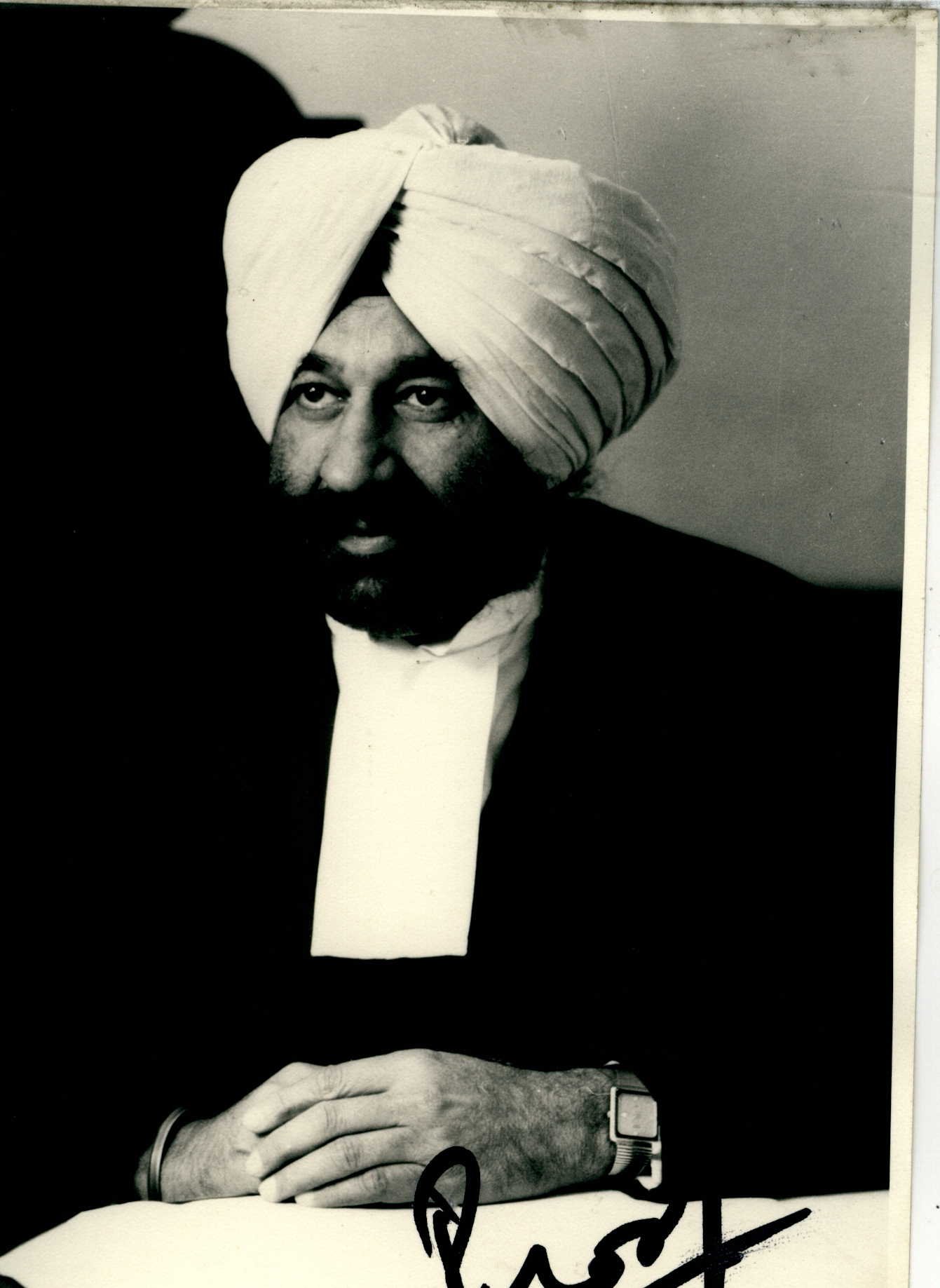
KULDIP SINGH (J)
BENCH:
KULDIP SINGH (J)
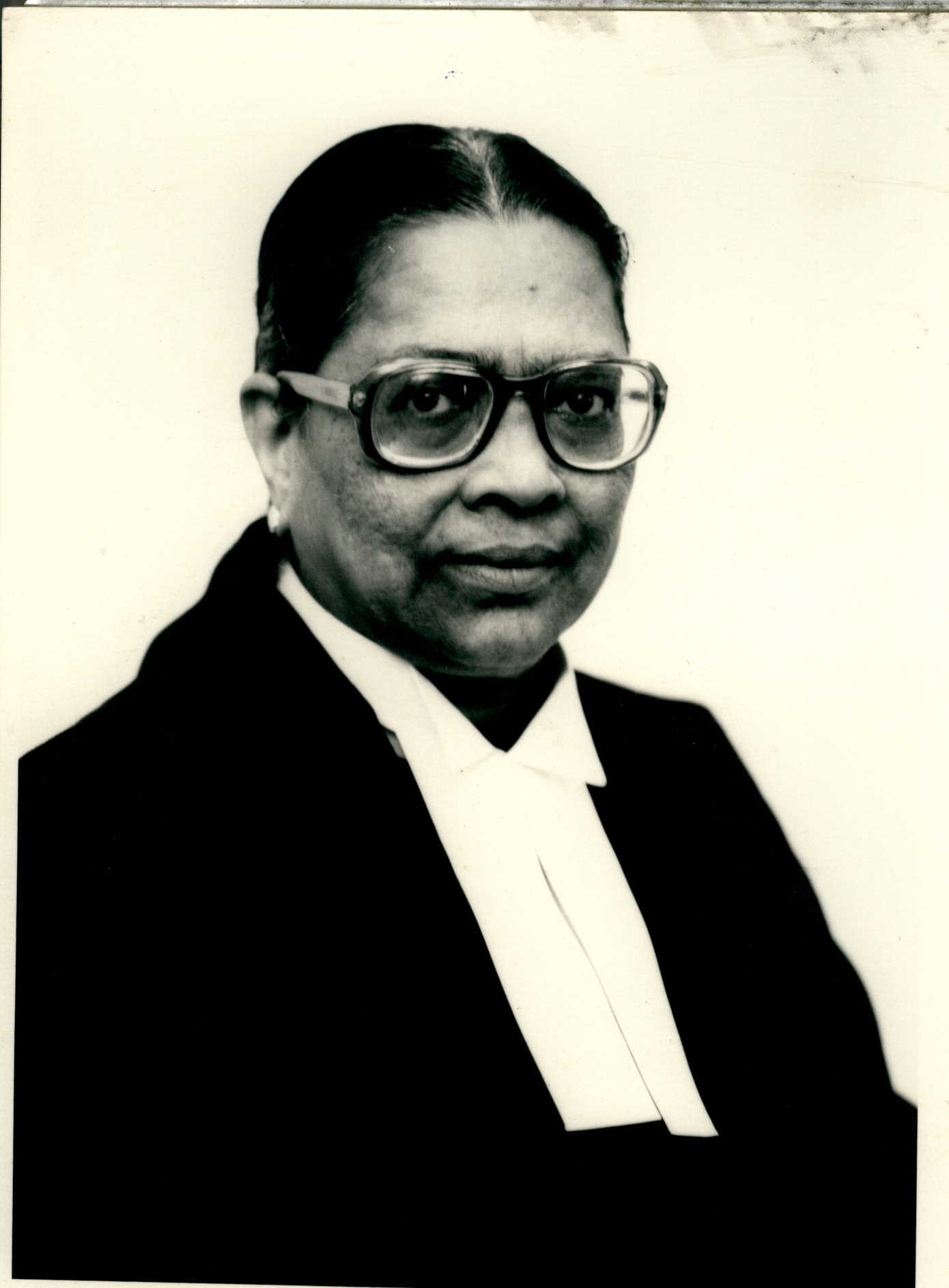
FATHIMA BEEVI, M. (J)
CITATION:
1991 AIR 1818 1991 SCR (2) 884
1991 SCC Supl. (2) 114 JT 1991 (3) 84
1991 SCALE (2)45
ACT:
Uttar Pradesh Subordinate Excise Service Rules, 1967-
Rule 3(ix) and 5 and Uttar Pradesh Subordinate Excise
Service Rules, 1983- Rule 3(g), 3(j), 5 and 21(1)-
Interpretation of-Excise Inspector-Appointed on ad hoc
basis-Held entitled to claim seniority and promotion vis-a-
vis those who were appointed later in point of time.
HEADNOTE:
The petitioner was appointed as Excise Sub-Inspector in
February 1964 in the State of U.P. and was later promoted
as Excise Inspector on ad hoc basis on February 24, 1972.
He was confirmed as Excise Sub-Inspector w.e.f. April 1,
1967. Though promoted on ad hoc basis, the petitioner has
continuously been working as Excise Inspector since February
24, 1972. Raghubir Singh and Ram Dhan, respondents are
direct recruits to the post of Excise Inspector and they had
joined the cadre later in point of time than the petitioner
i.e. after 24.2.1972. They were promoted to the post of
Excise Superintendent on 29.9.1983 and the petitioner was
ignored. Being aggrieved the petitioner has filed this
petition under Article 32 of the Constitution.
According to the State and other respondents, the
petitioner's promotion to the post of Excise Inspector being
on ad hoc basis was against the 1967 rules, he continues to
be an ad hoc appointed and as such is not a member of the
Excise Inspectors service constituted under the rules. His
name has not been shown in the seniority list of Excise
Inspectors. According to them his case has rightly not been
considered for further promotion. On the other hand, it is
contended on behalf of the petitioner that the 1967 Rules in
as much as they confine the channel of promotion to Tari
Inspectors and Clerks were wholly arbitrary and as such
violative of Articles 14 and 16 of the Constitution. It is
submitted on his behalf that the petitioner is, in any case,
entitled to be promoted substantively to the cadre of excise
Inspectors under 1983 rules and he is also entitled to
fixation of seniority by counting his entire service as
Excise Inspector from 1972 onwards. Respondents concede
that the petitioner can be appointed under 1983 rules, but
contend that he is not entitled to the benefit of past
http://JUDIS.NIC.IN SUPREME COURT OF INDIA Page 2 of 7
service for purposes of seniority.
885
Allowing the writ petition this Court
HELD: When the 1967 rules were enforced on May 24, 1967
there was in existence a permanent cadre of Excise Sub-
Inspectors. The nature of duties of both the cadres were
similar. The Excise Inspectors, on molasses duty of the
ranges, used to supervise the work of excise Sub-Inspectors
under them. The Excise Sub-Inspectors were thus natural
contenders for the post of Inspectors. There was no
justification whatsoever with the framers of the 1967 rules
to have kept the Excise Sub-Inspectors out of the channel of
promotion to the post of Excise Inspectors. Prime facie
there is no escape from the conclusion that the Excise Sub-
Inspectors were dealt with in an arbitrary manner by the
framers of 1967 rules. [890H-891B]
It is not disputed that under the 1983 rules, the
petitioner is eligible to be promoted and appointed as
Excise Inspector. [891C-D]
The 1983 rules came into force on March 24, 1983. There
is nothing on the record to show as to why the petitioner
was not considered for promotion under the 1983 rules till
today. Inaction on the part of the State Government is
wholly unjustified. The petitioner has been made to suffer
for no fault of his. He has been serving the State
Government as Excise Inspector since February 24, 1972
satisfactorily. [891E]
Rule 21(i) of the 1983 rules specifically permits
substantive appointment to the cadre of Excise Inspectors
with back date. In all probability the provision of back
date appointment was made in the 1983 rules to do justice to
persons like the petitioner. The petitioner is eligible
under the rules to be appointed as Excise Inspector by way
of promotion. Accordingly the Court directed that the
petitioner shall be deemed to be appointed by way of
promotion as substantive Excise Inspector under the 1983
rules with effect from February 24, 1972. The petitioner
shall be entitled to the benefit of his entire period of
service as Excise Inspector from February 24, 1972 towards
fixation of his seniority in the cadre of Excise Inspector.
The petitioner shall be considered for promotion to the post
of Excise Superintendent from a date earlier than the date
when respondents Ram Dhan and Raghubir Singh were promoted
to the said post. The petitioner shall also be entitled to
be considered to the post of Assistant Excise Commissioner
in accordance with the rules from a date earlier than the
date when any of his juniors were promoted to the said post.
[891G, 892B-E]
None of the respondents who have already been promoted
to the
886
higher rank of Excise Superintendents or Assistant Excise
Commissioners be reverted to accommodate the petitioner or
any other person similarly situated. The State Government
shall create additional posts in the cadre of Excise
Superintendents and Assistant Excise Commissioners to
accommodate the petitioner and other similar persons, if
necessary. [892F]
Masood Akhtar Khan & Ors. v. State of Madhya Pradesh,
[1990] 4. S.C.C. 24; Direct recruits Class-II Engineering
Officers Association v. State of Maharashtra & Ors., [1990]
2 S.C.C. 715; P. Mahendran & Ors, etc. v. State of Karnataka
JUDGMENT:
Singh & Ors., [1964] 4 S.C.R. 964; Krishena Kumar & Ors. v.
Union of India & Ors., [1990] 4 S.C.C. 207; A.K. Bhatnagar &
http://JUDIS.NIC.IN SUPREME COURT OF INDIA Page 3 of 7
Ors. v. Union of India & Ors., [1990] 2 Scale 949; Baleshwar
Dass & Ors. etc. v. State of U.P. & Ors., [1981] 1 S.C.C.
449; Narender Chadha & Ors. v. Union of India & Ors., [1988]
3 J.T. 190 and Kumari Shrilekha Vidyarthi etc. etc. v. State
of U.P. & Ors., [1990] 4 J.T. 211, referred to.
&
ORIGINAL JURISDICTION: Writ Petition (Civil) No. 13704
of 1983.
(Under Article 32 of the Constitution of India)
P.N. Lekhi and M.K. Garg for the Petitioner.
Prithvi Raj, P.P. Rao, Govind Mukhoty, Satish Chander,
Raju Ramachandran, Mrs. S. Dikshit, A.K. Sangal, P.K.
Chakraborty. Ms. Sadhya Goswami and Y.C. Maheshwari for the
Respondents.
K.R. Gupta, Smt. Nanita Sharma, R.C. Gubrele, Vivek
Sharma and O.P. Sharma for the Intervener.
The Judgment of the Court was delivered by
KULDIP SINGH, J. Ram Sewak Prasad, the petitioner
before us, was appointed as Excise Sub-Inspector, in the
State of Uttar Pradesh in February, 1964 and was promoted
to the post of Excise Inspector on ad hoc basis on February
24, 1972. He was confirmed as Excise Sub-Inspector by an
order dated December 2, 1972 with effect from April 1, 1967.
Though promoted on ad hoc basis the petitioner
887
has continuously been working as Excise Inspector since
February 24, 1972.
Raghubir Singh and Ram Dhan, respondents are direct
recruits to the post of Excise Inspector. The joined as
such on March 29, 1972 and May 14, 1972 respectively. They
were promoted to the post of Excise Superintendent by an
order dated September 29, 1983. It is not disputed that the
petitioner was not considered for promotion alongwith the
respondents or at any time thereafter. Even his name was
not shown in the seniority list of Excise Inspectors
circulated from time to time. The respondents, including
the State Government, have taken the stand that the
petitioner's promotion to the post of Excise Inspector was
against the rules, he continues to be an ad hoc appointee
and is not a member of the Excise Inspectors Service
constituted under the rules. For that reason he is neither
been shown in the seniority list of Excise Inspectors nor
considered for promotion to the post of Excise
Superintendent.
It is necessary to examine the relevant statutory rules
regulating recruitment and conditions of service of the
Excise Inspectors. Rule 3(ix) and 5 of the Uttar Pradesh
Subordinate Excise Service Rules, 1967 (hereinafter called
`1967 rules') are as under:
"3(ix). "Member of the service" means a person
appointed in a substantive capacity under the
provisions of these rules, or of rules in force
previous to the enforcement of these rules to a
post in the cadre of the service"
..5. Sources of recruitment-Recruitment to the
service shall be made-
(a) by direct recruitment of candidates, on the
result of a combined competitive examinations
conducted by the Commission, who having been
selected in the prescribed manner for undergoing
practical training have completed the course of
training and passed the departmental examination
http://JUDIS.NIC.IN SUPREME COURT OF INDIA Page 4 of 7
prescribed in rule 23:
Provided that no candidate shall be allowed
to avail of more than three chances for
appearing at the competitive examination;
(b) by promotion of permanent clerks of the
office at
888
the Headquarters of the Excise Commissioner and
other regional and Subordinate Excise Offices of
Assistant Excise Commissioners and
Superintendents of Excise in Uttar Pradesh; and
(c) by promotion of permanent Tari Supervisors
The 1967 rules were superseded by the Uttar Pradesh
Subordinate Excise Service Rules, 1983 (hereinafter called
1983 rules) which came into force on March 24, 1983. Rule
3(g), 3(j), 5 and 21(1) of the 1983 rules are reproduced
hereinafter:
"3(g). "Member of Service" means a person
substantively appointed under or the rules or
orders in force prior to the commencement of these
rules to a post in the cadre of the service".
"3(j). "Substantive appointment" means an
appointment, not being an ad-hoc appointment, on a
post in the cadre of the service, made after
selection in accordance with the rules and, if
there are no rules, in accordance with the
procedure prescribed for the time being by
executive instructions, issued by the Government."
Sources of Recruitment."5. Recruitment to the
various categories
of posts in this
service shall be made
from the following
sources:
(A) EXCISE INSPECTOR
(1) 90% by direct recruitment on the result of a
combined competitive examination conducted by the
Commission.
(2) 10% by promotion from amongst the permanent
sub-Excise Inspectors.
"Rule 21(1) Except as hereinafter provided, the
seniority of persons in any category of post shall
be determined from the date of the order of
substantive appointment and if two or more persons
are appointed together, by the order in which their
names are arranged in the appointed order;
889
Provided that if the appointment order
specifies a particular back date with the effect
from which a person is substantively appointed,
that date, will be deemed to be the date of order
of substantive appointment and, in other case it
will mean the date of issue of the order;"
Mr. Satish Chandra, learned senior advocate, appearing
for some of the respondents who are direct recruits of
1982/83 has contended that the 1967 rules were holding the
field when the petitioner was promoted as Excise Inspector
on ad hoc basis. According to him only clerks and Tari
Supervisors could be considered for promotion to the post of
Excise Inspector under rule 5 of the 1967 rules and the
Excise Sub-Inspectors were not eligible. The petitioner's
promotion being in violation of the 1967 rules, he was not a
member of the service and as such was rightly not shown in
the seniority list of Excise Inspectors. He, however,
accepts the position that the petitioner can be considered
http://JUDIS.NIC.IN SUPREME COURT OF INDIA Page 5 of 7
for promotion to the post of Excise Inspector under the 1983
rules and would become member of the service from the date
of promotion under the said rules. Mr. Satish Chandra
finally contended that the appointment of the petitioner
from 1972 to 1983 being violative of 1967 rules, the benefit
of the said service cannot be given to the petitioner
towards seniority in the cadre of Excise Inspectors. In
support of his arguments Mr. Satish Chandra relied upon the
judgments of this Court in Masood Akhtar Khan and Others v.
State of Madhya Pradesh and Others, [1990] 4 S.C.C. 24 and
Direct recruits class-II Engineering Officers Association v.
State of Maharashtra and Others, [1990] 2S.C.C. 715. Mr.
Govind Mukhoty, Mr. P.P. Rao and Mr. O.P. Sharma, learned
senior advocates appearing for various respondents
reiterated, with different flavour, the arguments advanced
by Mr. Satish Chandra. They further cited P. Mahendran and
Ors etc. v. State of Karnataka and Ors. etc., [1990] 1 SCC
411; State of Punjab v. Jagdip Singh and Ors., [1964' 4 SCR
964; Krishena Kumar and Ors. v. Union of India and Ors.,
[1990] 4 SCC 207 and A.K. Bhatnagar and Ors. v. Union of
India and Ors., [1990] 2 Scale 949. Mr. Prithviraj, learned
senior advocate appearing for the State of Uttar Pradesh
stated that it may be possible to absorb the petitioner in
the cadre of Excise Inspectors from the date of enforcement
of the 1983 rules but the benefit of service rendered by him
as Excise Inspector prior to that date cannot be given to
him.
Mr. P.N. Lekhi, learned senior advocate appearing for
the petitioner vehemently argued that the petitioner was
promoted in `public interest' as Excise Inspector in the
year 1972 and since then he
890
has been working as such continuously. He is being paid the
same salary for doing the same work as is being done by the
directly recruited Excise Inspectors. There can no
justifiable reason to treat the petitioner as an ad hoc
Excise Inspector even after working as such for almost two
decades. According to him the 1967 rules which confined the
channel of promotion to Tari Inspectors and Clerks were
wholly arbitrary and as such violative of Articles 14 and 16
of the Constitution of India. The Excise Sub-Inspectors are
at a lower-rung in the same hierarchy of service to which
Excise Inspectors belong. The Sub-Inspectors perform
similar duties of less responsibility. Mr. Lekhi further
contended that providing avenue of promotion to Tari
Inspectors and Clerks who had no similarity or service0link
with the cadre of Excise Inspectors and depriving the same
to the Excise Sub-Inspectors render the 1967 rules arbitrary
and discriminatory. He relied upon Baleshwar Dass and Ors.
etc. v. State of U.P. and Ors., [1981] 1 SCR 449; Narender
Chadha and Ors. v. Union of India and Ors., [1986] 1 SCR
211; Rajendera Parsad Dhasmane v. Union of India and Ors.,
[1988] 3 J.T. 190 and Kumari Shrilekha Vidyarthi etc. etc.
v. State of U.P. and Ors., [1990] 4 J.T. 211. Mr. Lekhi
finally submitted that the petitioner is, in any case,
entitled to be promoted substantively to the cadre of Excise
Inspectors under the 1983 rules and he is entitled to
fixation of seniority by counting his entire service as
Excisa Inspector from 1972 onwards.
It is not necessary to go into the judgments cited by
the learned counsel for the parties. The judgments are on
the peculiar facts of these cases and do not render much
assistance to resolve the controversy before us.
The 1967 rules provided recruitment to the cadre of
Excise Inspectors by way of direct recruitment and by
http://JUDIS.NIC.IN SUPREME COURT OF INDIA Page 6 of 7
promotion. Recruitment by promotion was only confined to
permanent clerks in the office of Excise Commissioner and
Tari Supervisors. The Excise Sub-Inspectors were not
eligible. On the plain interpretation of 1967 rules Mr.
Satish Chandra is justified to contend that the petitioner
was not eligible for promotion to the post of Excise
Inspector and as such he could not be member of the Uttar
Pradesh Subordinate Excise Service as constituted under the
1967 rules. On the other hand there is plausibility in the
argument of Mr. P.N. Lekhi that rule 5 of the 1967 rules
which denies avenue of promotion to the Excise Sub-
Inspectors is arbitrary and discriminatory. When the 1967
rules were enforced on May 24, 1967 there was in existence a
permanent cadre of Excise Sub-Inspectors. The nature of
duties of both the cadres
891
were similar. The Excise Inspectors, on molasses duty of
the ranges, used to supervise the work of Excise Sub-
Inspectors under them. The Excise Sub-Inspectors were thus
natural contenders for the post of Inspectors. There was no
justification whatsoever with the framers of the 1967 rules
to have kept the Excise Sub-Inspectors out of the channel of
promotion to the post of Excise Inspectors. Prima facie
there is no escape from the conclusion that the Excise Sub-
Inspectors were dealt with in an arbitrary manner by the
framers of 1967 rules. However, the view we propose to take
on the interpretation of 1983 rules it is not necessary for
us to deal with the respective arguments of the learned
counsel for the parties regarding the 1967 rules.
Rule 5 of the 1983 rules provides recruitment to the
cadre of Excise Inspectors from two sources, 90% by direct
recruitment and 10% by promotion from amongst the permanent
Excise Sub-Inspectors. It is not disputed that under the
1983 rules the petitioner is eligible to be promoted and
appointed as Excise Inspector. In the writ petition the
petitioner has specifically pleaded that the service record
of the petitioner is unblemished and he is holding the post
of Excise Inspector within the 10% promotion quota provided
for the permanent Excise Sub-Inspectors. The State
Government in its counter has not denied these averments.
The 1983 rules came into force on March 24, 1983. There is
nothing on the record to show as to why the petitioner was
not considered for promotion under the 1983 rules till
today. Inaction on the part of the State Government is
wholly unjustified. The petitioner has been made to suffer
for no fault of his. He has been serving the State
Government as Excise Inspector since February 24, 1972
satisfactorily. Least the State Government could do was to
consider the petitioner under the 1983 rules. Mr.
Prithviraj, learned counsel for the State of Uttar Pradesh
has however fairly stated that the State Government is
willing to promote the petitioner to the cadre of Excise
Inspectors under the 1983 rules effect from the date of
enforcement of the said rules.
Rule 21(1) of the 1983 rules provides that the
seniority of a person in any category of post shall be
determined from the date of the order of substantive
appointment. First proviso provides that if the appointment
order specifies a particular back date with effect from
which a person is substantively appointed then the said
back-date shall be deemed to be the date of order of
substantive appointment. It is thus obvious that rule 21(1)
of the 1983 rules specifically permits substantive
appointment to the cadre of Excise Inspectors with back
date. The framers of the 1983 rules were conscious that the
http://JUDIS.NIC.IN SUPREME COURT OF INDIA Page 7 of 7
cadre of
892
Excise Sub-Inspectors was in existence from 1964 onwards and
some of them were promoted to the post of Excise Inspectors
much earlier to the enforcement of the 1983 rules. In all
probability the provision of back-date appointment was made
in the 1983 rules to do justice to persons like the
petitioner. The petitioner is eligible under the rules to
be appointed as Excise Inspector by way of promotion. It is
not disputed that the petitioner was appointed as Excise
Inspector on February 24, 1972 and he has been actually
working in the said post continuously from that date and
has been drawing the salary of the post of Excise Inspector.
This is a fit case where the petitioner should be appointed
as Excise Inspector under the 1983 rules by giving him back
date appointment with effect from February 24, 1972.
We, therefore, hold that the petitioner shall be deemed
to be appointed by way of promotion as substantive Excise
Inspector under the 1983 rules with effect from February 24,
1972. The petitioner shall be entitled to the benefit of
his entire period of service as Excise Inspector from
February 24, 1972 towards fixation of his seniority in the
cadre of Excise Inspector. We further direct that the
petitioner shall be considered for promotion to the post of
Excise Superintendent from a date earlier than the date when
respondents Ram Dhan and Raghubir Singh were promoted to the
said post. The petitioner shall also be entitled to be
considered to the post of Assistant Excise Commissioner in
accordance with the rules from a date earlier than the date
when any of his juniors were promoted to the said post.
We make it clear that none of the respondents who have
already been promoted to the higher rank of Excise
Superintendents or Assistant Excise Commissioners be
reverted to accommodate the petitioner or any other person
similarly situated. The State Government shall create
additional posts in the cadre of Excise Superintendents and
Assistant Excise Commissioners to accommodate the
petitioner and other similar persons, if necessary.
The writ petition is allowed with costs in the above
terms. We quantify the costs as Rs.10,000 to be paid by the
State of Uttar Pradesh.
Y.Lal. Petition allowed.
893
The pivotal Supreme Court ruling in Ram Sewak Prasad v. State of U.P. and Ors. stands as a cornerstone in Indian service jurisprudence, particularly concerning Excise Inspector promotion and the validation of long-standing ad-hoc appointment seniority. This case, now authoritatively documented on CaseOn, addresses the profound injustice faced by an employee who, despite decades of continuous service, was denied seniority and promotion due to rigid and arguably arbitrary service rules. The Court’s decision champions substantive justice over procedural technicalities, offering a powerful remedy for those caught in administrative limbo.
The central issue before the Supreme Court was whether an employee, promoted on an 'ad-hoc' basis and serving continuously for years, could claim seniority from his initial date of promotion, even if the promotion was made under rules that did not officially provide for it. The case of Mr. Ram Sewak Prasad presented a classic conflict: he was promoted as an Excise Inspector in 1972, but the governing rules at the time did not include his feeder cadre (Excise Sub-Inspector) in the channel of promotion. When new, more inclusive rules were introduced in 1983, the State failed to regularize his service, leading to a situation where his juniors were promoted ahead of him. This raised two critical questions:
The Court's decision hinged on the interpretation and interplay of two different sets of regulations that governed the Uttar Pradesh Subordinate Excise Service.
The Uttar Pradesh Subordinate Excise Service Rules, 1967, were the primary source of the conflict. Under Rule 5, the post of Excise Inspector could only be filled by direct recruitment or through the promotion of permanent Clerks and Tari Supervisors. Conspicuously absent from this list were Excise Sub-Inspectors, the very individuals who worked directly under the Inspectors and formed a natural pipeline for the role. This exclusion was the root cause of the petitioner's 'ad-hoc' status.
In 1983, these rules were superseded by the Uttar Pradesh Subordinate Excise Service Rules, 1983. The new rules rectified the previous anomaly by introducing a 10% promotion quota for permanent Excise Sub-Inspectors to the post of Excise Inspector. More importantly, Rule 21(1) of the 1983 Rules contained a crucial proviso: it allowed for a substantive appointment to be made effective from a specified “back date.” This provision became the key to unlocking justice for the petitioner.
The Supreme Court meticulously analyzed the facts and the legal framework to deliver a judgment rooted in fairness and equity.
While the Court did not formally strike down the 1967 Rules, it found the petitioner's argument that they were arbitrary to have significant merit. It noted that Excise Sub-Inspectors were “natural contenders” for the post of Inspector, and there was “no justification whatsoever” for their exclusion from the promotional channel. The Court concluded that the framers of the 1967 rules had dealt with the Sub-Inspectors in an arbitrary manner.
Analyzing the nuances between the 1967 and 1983 regulations can be complex for legal professionals. This is where resources like CaseOn.in's 2-minute audio briefs become invaluable, offering quick and clear summaries of such pivotal rulings to aid in efficient case preparation and understanding.
The Court strongly criticized the State Government for its prolonged inaction. After the 1983 Rules came into force, the petitioner became fully eligible for promotion. However, the government failed to consider his case, leaving him to languish while others superseded him. The Court termed this failure as “wholly unjustified,” emphasizing that the petitioner was made to suffer for no fault of his own, despite serving satisfactorily since 1972.
The Court’s decisive move was its application of Rule 21(1) of the 1983 Rules. It inferred that the provision for back-dating appointments was likely included precisely to do justice to individuals like Mr. Prasad, who were caught in the transition between rules. Since the petitioner was eligible under the new rules and had been performing the duties of an Excise Inspector since 1972, the Court found it a “fit case” to grant him an appointment with retrospective effect.
In allowing the writ petition, the Supreme Court issued a comprehensive set of directions to ensure complete justice:
This judgment is essential reading for both legal practitioners and students of law. For lawyers specializing in service law, it is a powerful precedent on the regularization of ad-hoc appointments, the application of rules with retrospective effect to remedy past injustices, and the court's role in upholding the principles of fairness and equality under Articles 14 and 16 of the Constitution. For law students, it serves as a masterclass in judicial reasoning, demonstrating how courts can interpret statutory provisions creatively to deliver substantive justice and protect the rights of employees against administrative apathy.
Disclaimer: This article is for informational purposes only and does not constitute legal advice. For specific legal issues, please consult with a qualified legal professional.

Legal Notes
Add a Note....