
As per case facts, challenges वर रेज़्ड अगेंस्ट the डिसॉल्यूशन of Legislative Assemblies in कर्नाटक, मेघालय, नागालैंड, मध्य प्रदेश, हिमाचल प्रदेश, और राजस्थान. की इवेंट्स इंक्लूड Governors dismissing Ministries विदाउट ...
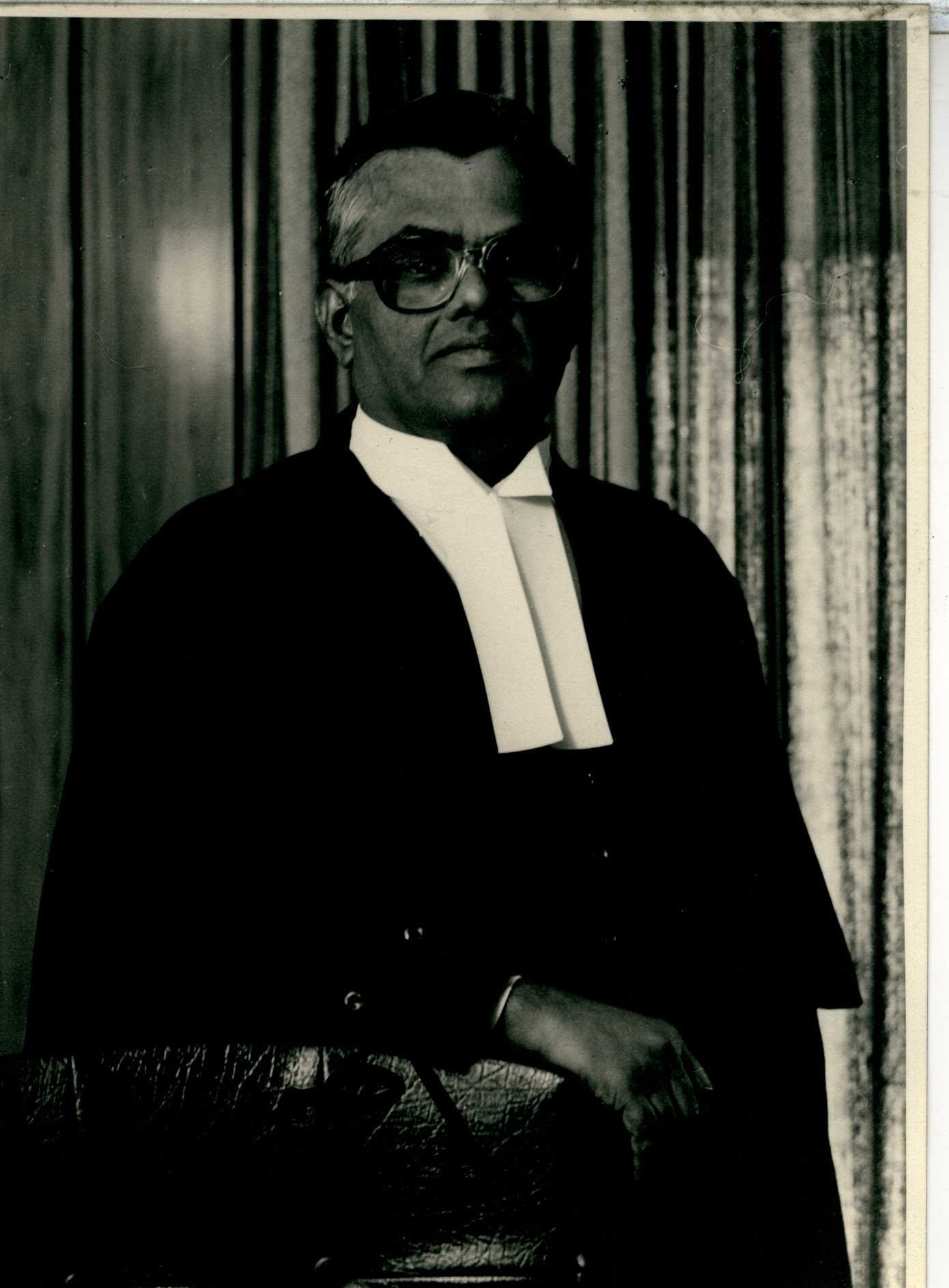
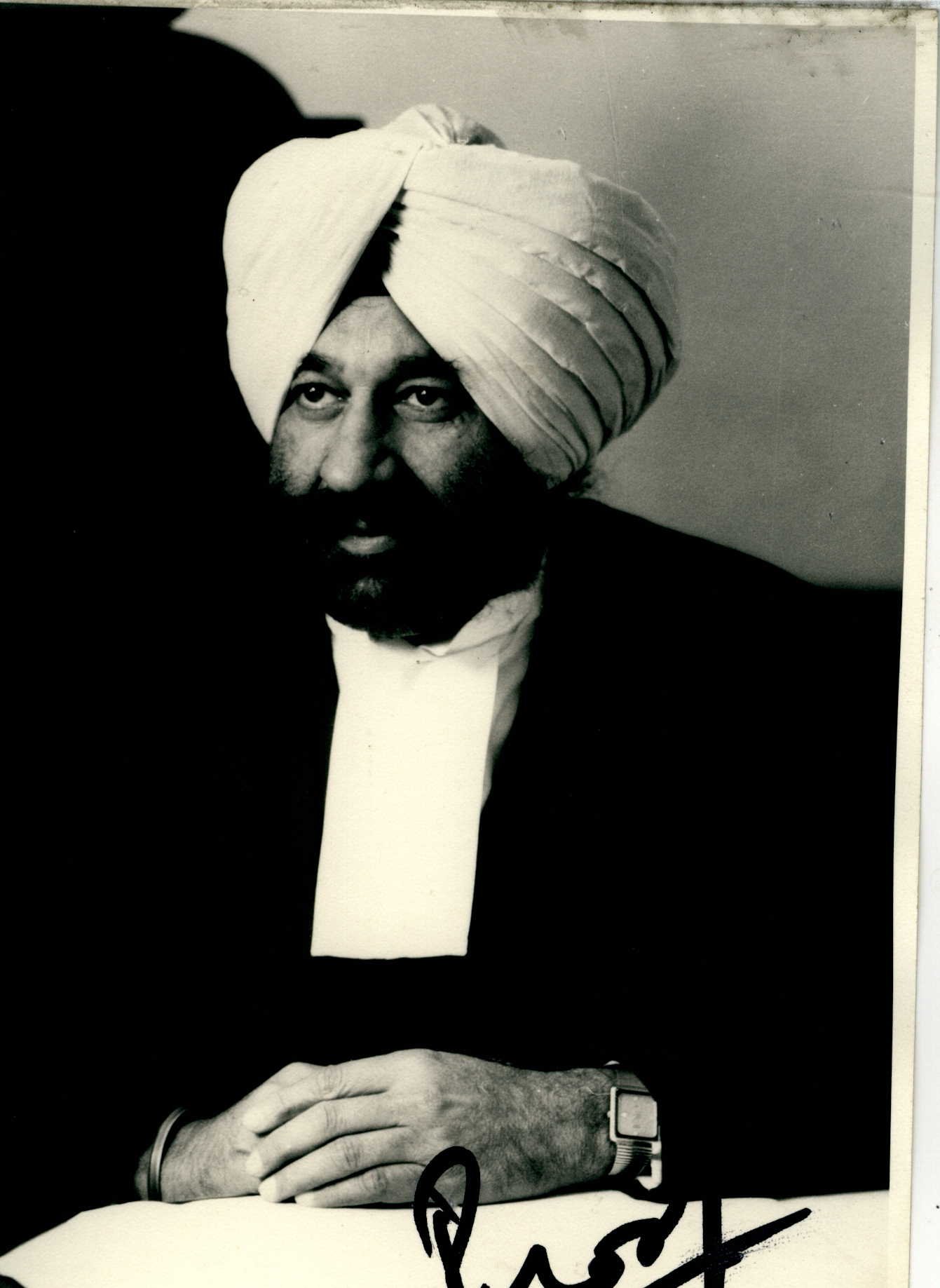
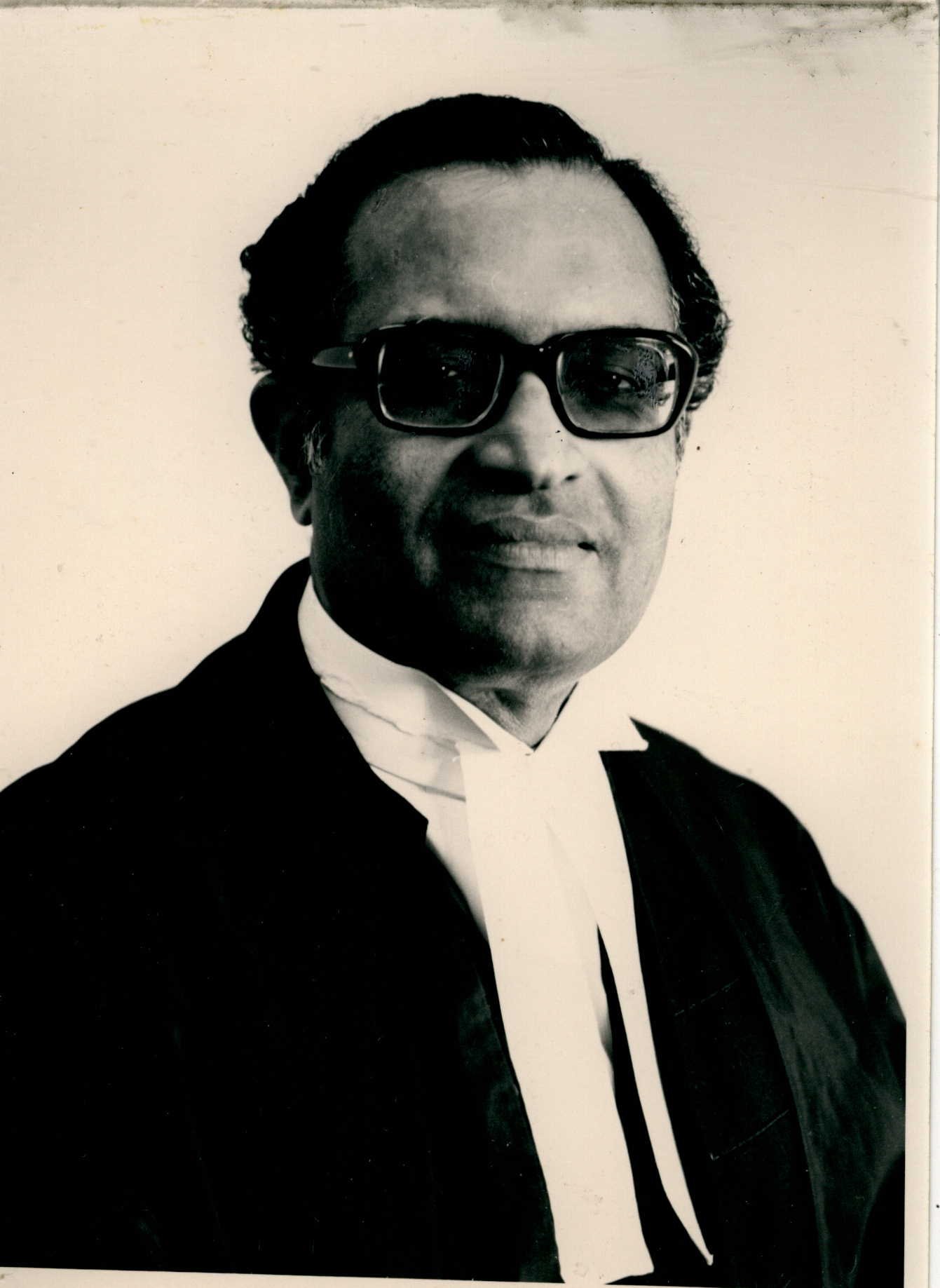

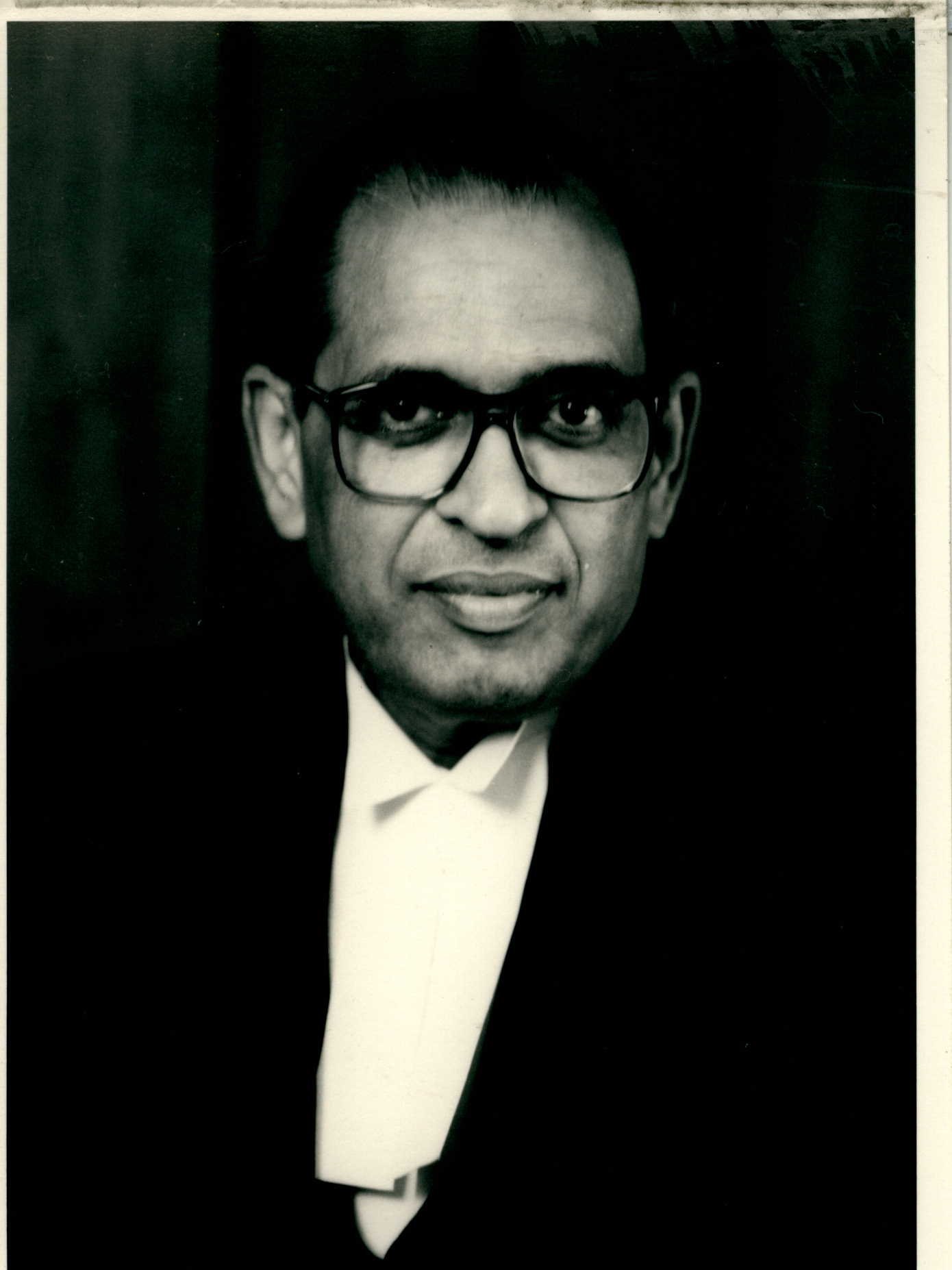
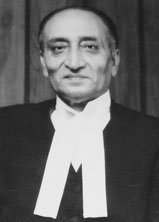
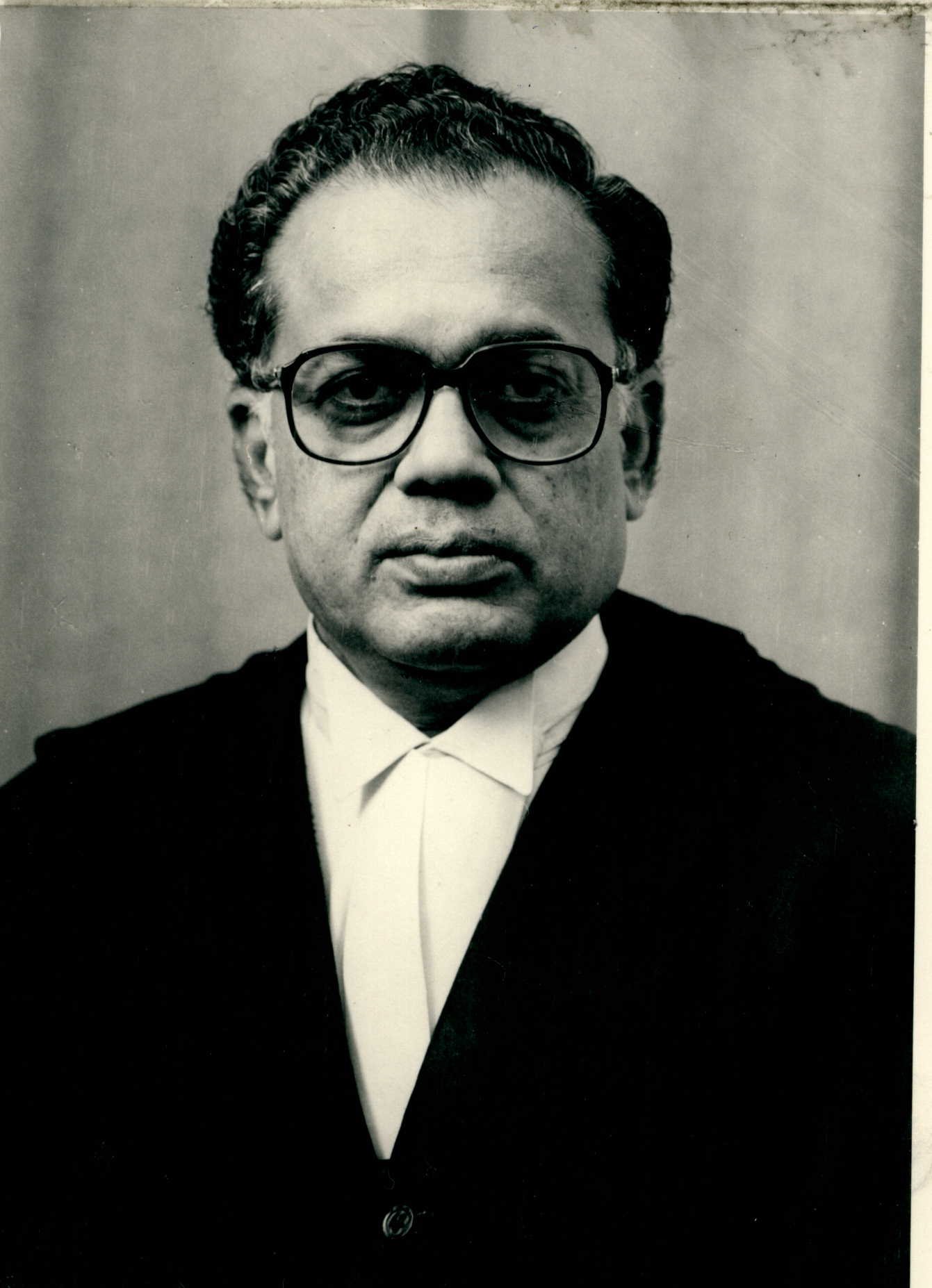
No Acts & Articles mentioned in this case
The landmark Supreme Court judgment in S.R. Bommai v. Union of India stands as a cornerstone of Indian constitutional law, profoundly shaping the dynamics of Centre-State relations. This pivotal ruling, prominently featured on CaseOn, provides the most authoritative interpretation of Article 356 of the Constitution, setting forth strict guidelines for the imposition of President's Rule in a State. By establishing the supremacy of the floor test and subjecting the President's satisfaction to judicial review, the court erected a formidable bulwark against the arbitrary dismissal of democratically elected state governments.
The S.R. Bommai case was not a single legal challenge but a cluster of petitions arising from the dismissal of several state governments under Article 356. The primary case involved the Janata Party government in Karnataka, led by Chief Minister S.R. Bommai, which was dismissed in 1989 after the Governor reported to the President that the ruling party had lost its majority, despite Bommai's insistence on proving his strength on the floor of the Assembly.
This was clubbed with similar challenges from other states:
These instances of executive action brought the scope, limitations, and justiciability of Article 356 into sharp focus, compelling the Supreme Court to deliver a definitive verdict on this contentious provision.
The nine-judge Constitution Bench was tasked with resolving several critical constitutional questions:
The court's analysis was centered on a deep reading of key constitutional articles:
The Supreme Court, through a series of majority and concurring opinions, laid down principles that fundamentally altered the landscape of Article 356.
The Court held that the President's satisfaction for imposing President's Rule is not an absolute or unquestionable power. It is subject to judicial review. However, the scope of this review is limited. The court will not delve into the correctness or adequacy of the material before the President but will examine whether the satisfaction was based on any relevant material at all. The proclamation can be struck down if it is found to be based on wholly irrelevant or extraneous grounds, or if it is deemed to be a mala fide (in bad faith) exercise of power.
Perhaps the most significant outcome of this judgment was the establishment of the floor test as the sole and definitive method for determining whether a government commands the confidence of the legislature. The Court declared that a Governor's subjective opinion or a headcount of legislators outside the Assembly is not a substitute for a vote on the floor of the House. This principle directly addressed the situation in Karnataka, where S.R. Bommai was denied the opportunity to prove his majority.
The Court powerfully reiterated that both federalism and secularism are integral parts of the basic structure of the Constitution. It cautioned that Article 356 must be used sparingly to protect, not destroy, the federal balance. In upholding the dismissal of the BJP-led state governments, the Court made a groundbreaking assertion: if a state government engages in activities that are anti-secular, it is acting contrary to the constitutional mandate, and such an action could be a valid ground for imposing President's Rule. This was the first time an action under Article 356 was validated on the grounds of upholding secularism.
The detailed reasoning behind these principles, especially the nuances of what constitutes 'relevant material' for President's Rule, can be complex. Professionals often turn to CaseOn.in's 2-minute audio briefs to quickly grasp the core analysis of rulings like S.R. Bommai v. Union of India, saving valuable time while preparing their arguments.
The judgment introduced a vital procedural safeguard. It ruled that while the President can suspend a Legislative Assembly upon proclaiming President's Rule, it cannot be dissolved immediately. The dissolution can only take place after both Houses of Parliament have approved the proclamation. This prevents the Central government from presenting Parliament with a fait accompli and ensures a check on the executive's power.
The Court affirmed that if it strikes down a proclamation as unconstitutional, it has the power to restore the dismissed government and revive the Legislative Assembly. This power to reverse the executive's action serves as a potent deterrent against the misuse of Article 356.
The Supreme Court delivered a nuanced verdict:
Despite finding some proclamations unconstitutional, the court did not restore the dismissed governments because fresh elections had already been conducted in those states. The true victory of the judgment lay not in the immediate relief but in the clear, robust, and enduring legal framework it established for the future.
The S.R. Bommai judgment fundamentally reshaped the application of Article 356 by establishing that:
For any student or practitioner of constitutional law in India, S.R. Bommai v. Union of India is indispensable reading. Its importance stems from several factors:
Understanding this case is crucial for anyone seeking to grasp the delicate balance of power between the Centre and the States, the role of the judiciary as the guardian of the Constitution, and the fundamental principles that underpin Indian democracy.
The information provided in this article is for informational purposes only and does not constitute legal advice. The content is intended to offer a general overview of a legal case and should not be relied upon for any specific legal issue. For advice on any legal matter, please consult a qualified legal professional.

 Login with google
Legal Notes
Add a Note....