
As per case facts, U.D. Dwivedi, a DRDO Scientist, was unsuccessful in his promotion assessment for Scientist 'C'. He challenged this assessment before the Central Administrative Tribunal, arguing that the ...
No Acts & Articles mentioned in this case
http://JUDIS.NIC.IN SUPREME COURT OF INDIA Page 1 of 3
PETITIONER:
UNION OF INDIA & ANR.
Vs.
RESPONDENT:
U.D. DWIVEDI ETC.
DATE OF JUDGMENT: 03/12/1996
BENCH:
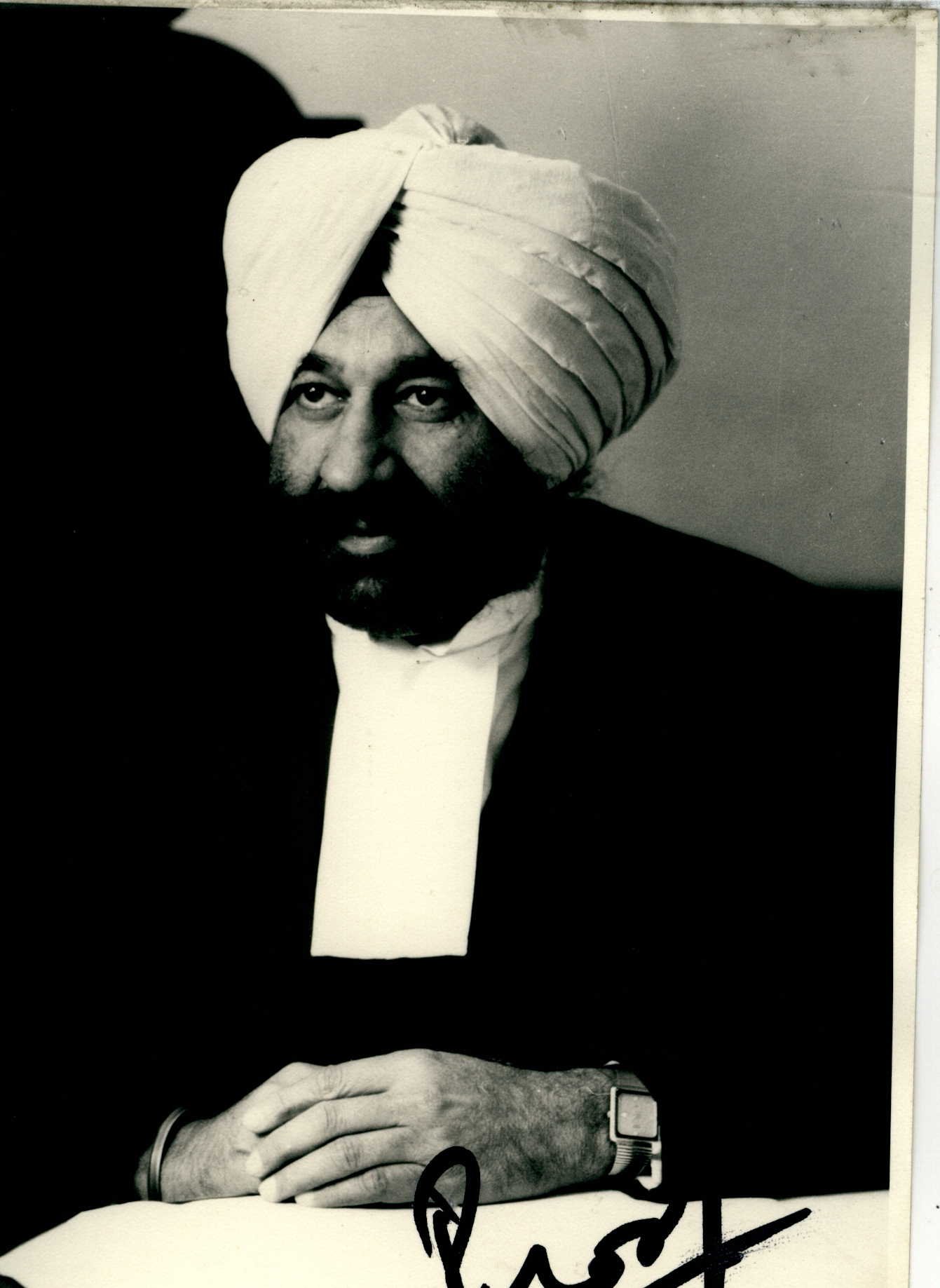
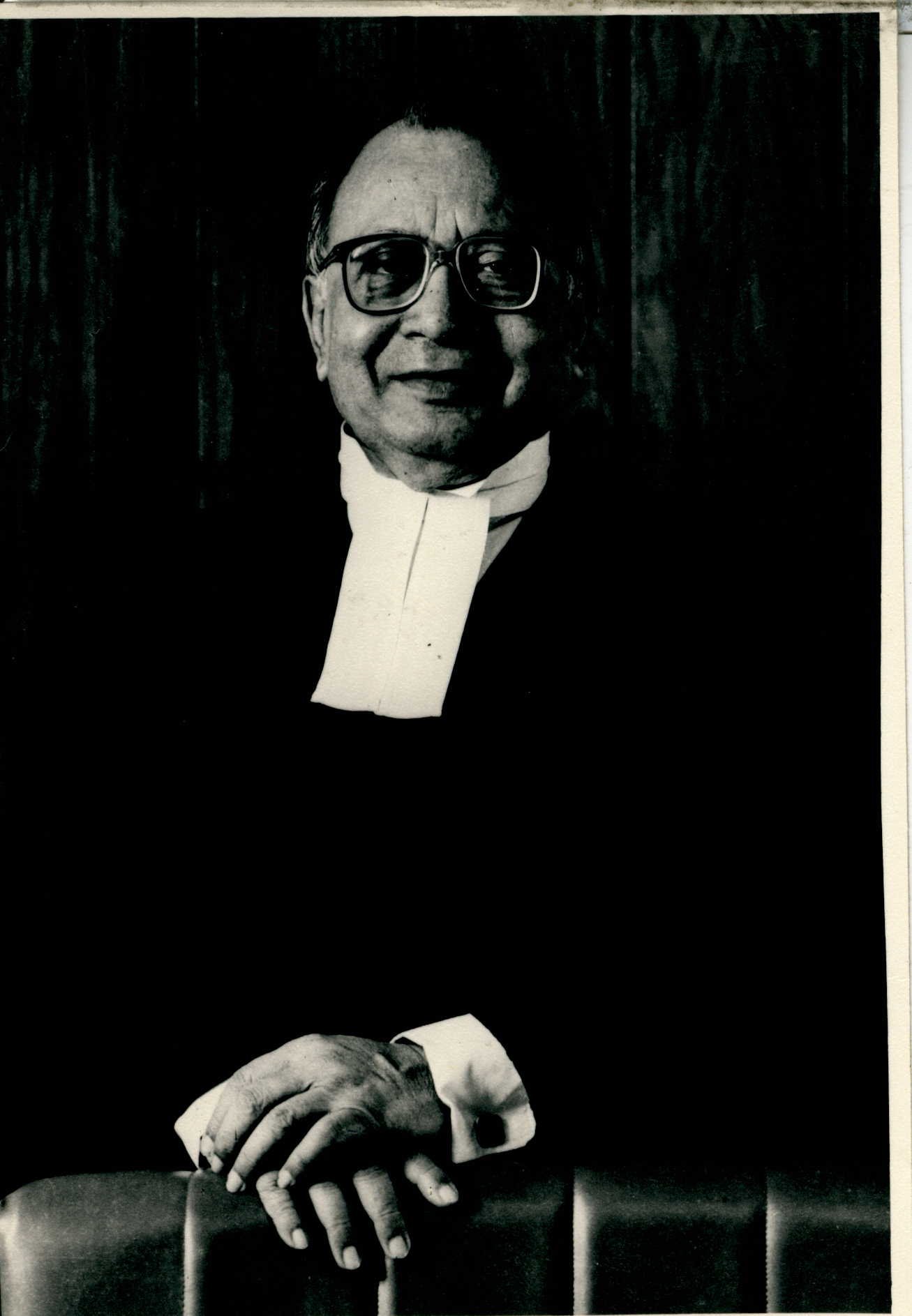
KULDIP SINGH, SUHAS C. SEN
ACT:
HEADNOTE:
JUDGMENT:
THE 3RD DAY OF DECEMBER, 1996
Present:
Hon'ble Mr. Justice Kuldip Singh
Hon'ble Mr. Justice Suhas C.Sen
N.N. Goswamy, Sr. Adv., (SN. N. Terdol, and Mr. Anil
Katiyar) Advs. for Mrs. Sushma Suri, Adv. with him for the
appellants
N.S. Bisht and Umesh, Advs. (N.P) for the Respondents
J U D G M E N T
The following Judgment of the Court was delivered:
[With Civil Appeal No. 15345 of 1996 (Arising out of S.L.P.
(C) No.9793 of 1992)]
J U D G M E N T
SEN, J.
Leave granted.
U.D. Dwivedi was employed in Defence Research &
Development Organisation (DRDO) in 1974 and was working as
Scientist `B' in the pay-scale of Rs. 200-4000, Gazetted
Group `A', DRDS Service at Solid State Physics Laboratory,
Timarpur, Delhi, with effect from 1st July, 1983. He was
working under Dr. A.K. Sreedhar, Director, Solid State
Physics Laboratory, Timarpur, Delhi. Dwivedi was assessed by
the Assessment Board at Recruitment and Assessment Centre
(RAC), Timarpur, on 1.2.1989 for the service period from
July, 1983 to June, 1988 for promotion to the post of
Scientist `C' in the pay-scale of Rs.3000-4500 in DRDS. The
assessment is called as Assessment Year 1989 and Dwivedi was
not declared successful in the assessment.
Dwivedi challenged the assessment for the year 1988
before the Principal Bench of the Central Administrative
Tribunal, New Delhi. The ground of challenge was that RAC,
which conducted the assessment, was set up in an
unconstitutional manner because the entire assessment was
conducted under the chairmanship of one Professor S.
Sampath. Professor Sampath, being a former member of the
Union Public Service Commission (UPSC), was prohibited from
taking up any employment under Union of India or State
Government as laid down in Article 319(c) of the
Constitution of India. The Tribunal upheld the contention of
Dwivedi and held that the Assessment made under the
http://JUDIS.NIC.IN SUPREME COURT OF INDIA Page 2 of 3
Chairmanship of Professor Sampath was null and void. Union
of India has come up in appeal against the order of the
Tribunal.
The ground taken by the Director General, Pesearch and
Development Organisation, Ministry of Defence, is that prior
to the issue of GSR-512 dated 1.6.85, promotion and
recruitment to scientific and technical posts under DRDO
were under the purview of UPSC and all the assessment boards
for promotion of scientists prior to the issue of the said
GSR were conducted by the UPSC. Appointment and promotion to
these posts were, however, excluded from the purview of UPSC
by the said GSR. Therefore, Recruitment & Assessment Centre
was constituted at DRDO Headquarter headed by a Director to
provide secretarial services to the Assessment Board
constituted to assess candidates for recruitment to
scientific and technical posts and promotion of Scientists
to higher posts. Assessment for promotion of Scientists of
DRDS to higher grades was made by an Assessment Board
consisting of a Chairman nominated by the Government, two
departmental officer of appropriate status nominated as
members and two outside experts nominated by the Government.
It was contended that Professor Sampath, Chairman of the
Recruitment and Assessment Centre under DRDO, was not in the
employment of the Central Government and was not holding any
employment under the Government. He was a full time non-
official consultant on contract basis to advise DRDO on the
matters of recruitment and assessment of Scientists and
Engineers. He functioned as Chairman of Assessment Board
constituted for the purpose of recruitment to scientific and
technical posts under DRDO. Promotion of Scientists of DRDS
to higher grades on the basis of assessment made by RAC was,
therefore, valid. A point was also taken that statutory
remedies had not been exhausted before coming to the
Tribunal.
After hearing the parties, we are of the view that the
Tribunal has come to a right decision in this matter in
holding that the entire process of assessment was bad in law
and, therefore, had to be struck down.
Article 319 of the Constitution is
as under:-
"319. Prohibition as to the holding
of offices by members of Commission
on ceasing to be such members:- On
ceasing to hold office,
(a) the Chairman of the Union
Public Service Commission shall be
ineligible for further employment
either under the Government of
India or under the Government of a
State;
(b) the Chairman of a State Public
Service Commission shall be
eligible for appointment as the
Chairman or any other member of the
Union Public Service Commission or
as the Chairman of any other State
Public Service Commission, but not
for any other employment either
under the Government of India or
under the Government of a State;
(c) a member other than the
Chairman of the Union Public
Service Commission shall be
eligible for appointment as the
Chairman of the Union Public
http://JUDIS.NIC.IN SUPREME COURT OF INDIA Page 3 of 3
Service commission or as the
Chairman of a State Public Service
Commission, but not for any other
employment either under the
Government of India or under the
Government of a State;
(d) a member other than the
Chairman of a State Public Service
Commission shall be eligible for
appointment as the Chairman or any
other member of the Union Public
Service Commission or as the
Chairman of that or any other State
Public service Commission, but not
for any other employment either
under the Government of India or
under the Government of a State."
Clause (c) of Article 319 prohibits holding of any
employment either under the Government of India or under the
Government of a State by a person who has been a member of
the Union Public Service Commission, except as the Chairman
of Union Public Service Commission or as the Chairman of a
State Public Service Commission. there is not dispute that
Professor Sampath was a member of the Union Public Service
Commission. Therefore, apart from the post of the Chairman
of Union Public Service Commission or Chairman of a State
Public Service Commission, he was ineligible for employment
in any other capacity under the Government of India or a
State Government. That is the constitutional mandate.
Whether the employment was held under a contract or
otherwise is quite immaterial for this purpose. The fact of
the matter is that Professor Sampath was employed as the
Chairman of the Assessment Board at Recruitment and
Assessment Centre. The constitutional mandate cannot be
evaded by giving Professor Sampath a contract and not a
letter of employment. Clause (c) of Article 319 bars "any
other employment" which will include even an employment by
contract under the Government of India or the State
Government.
In this view of the matter, the appeal must fail and is
dismissed. There will be no order as to costs.
Leave granted.
In view of our judgment in Civil Appeal No. 15344 of
1996 (Arising out S.L.P. (C) No.1477 of 1992), this appeal
is also dismissed. There will be no order as to costs.
In the landmark ruling concerning Service Law Appointment Cases and the Constitutional Mandate in Public Employment, the Supreme Court addressed crucial constitutional provisions regarding public appointments. This significant judgment, *Union of India & Anr. v. U.D. Dwivedi Etc.*, dated December 3, 1996, is available for in-depth analysis on CaseOn, highlighting the judiciary’s unwavering commitment to upholding the integrity of public service. The case sheds light on the limitations imposed on former members of constitutional bodies, ensuring fairness and preventing potential conflicts of interest within the governmental framework.
The central issue before the Supreme Court was whether an assessment for promotion conducted by a board chaired by a former member of the Union Public Service Commission (UPSC) was constitutionally valid, given the prohibitions outlined in Article 319(c) of the Constitution of India. Specifically, did the contractual nature of Professor Sampath's engagement as Chairman of the Recruitment and Assessment Centre (RAC) circumvent the constitutional bar on further government employment?
The core legal principle at play is enshrined in Article 319(c) of the Constitution of India. This article explicitly prohibits a person, other than the Chairman, who has ceased to hold office as a member of the Union Public Service Commission, from holding any employment under the Government of India or the Government of a State. This prohibition is designed to maintain the independence and impartiality of the UPSC and prevent its former members from being influenced by the prospect of future government employment.
U.D. Dwivedi, a scientist in the Defence Research & Development Organisation (DRDO), challenged his unsuccessful promotion assessment. The challenge was based on the premise that the Recruitment and Assessment Centre (RAC), which conducted the assessment, was improperly constituted because its chairman, Professor S. Sampath, was a former member of the Union Public Service Commission (UPSC). The Union of India argued that Professor Sampath was merely a 'non-official consultant' on a contract basis, not holding formal 'employment' under the government, and therefore, Article 319(c) did not apply.
However, both the Central Administrative Tribunal and subsequently the Supreme Court rejected this argument. The Courts emphasized that the term 'any other employment' in Article 319(c) is broad and comprehensive. It is intended to cover all forms of engagement, including those structured as contractual consultancies, to prevent any circumvention of the constitutional mandate. The judiciary's interpretation highlighted that the spirit of the law, which is to safeguard the independence and impartiality of constitutional bodies like the UPSC, cannot be undermined by altering the nomenclature or terms of engagement.
For legal professionals and students seeking a quick grasp of such intricate Service Law Appointment Cases nuances, CaseOn.in offers comprehensive 2-minute audio briefs, providing essential insights into these specific rulings, making complex legal arguments easily digestible.
Therefore, the Supreme Court held that Professor Sampath, as a former UPSC member (and not its Chairman), was ineligible to hold any employment under the Government of India. His chairmanship of the assessment board directly violated Article 319(c), rendering the entire assessment process null and void from its inception. The constitutional prohibition takes precedence over any administrative convenience or perceived 'consultancy' status.
The Supreme Court dismissed the Union of India's appeal, affirming the Central Administrative Tribunal's decision. It conclusively held that the assessment process conducted by the Recruitment and Assessment Centre, under the chairmanship of Professor S. Sampath, was unconstitutional and therefore invalid due to the violation of Article 319(c) of the Constitution. This judgment reinforces the strict adherence required to constitutional provisions governing public appointments, ensuring the integrity and impartiality of governmental processes.
The case originated from a challenge by U.D. Dwivedi, a DRDO scientist, against an assessment for promotion to Scientist 'C'. The assessment was conducted by the Recruitment and Assessment Centre (RAC), chaired by Professor S. Sampath. Dwivedi contended that Professor Sampath, a former member of the UPSC, was constitutionally barred from such employment under Article 319(c). The Central Administrative Tribunal agreed, deeming the assessment void. The Union of India appealed, arguing that Sampath's role was a non-official consultancy. The Supreme Court upheld the Tribunal's decision, ruling that 'any other employment' under Article 319(c) includes contractual engagements, and thus, Professor Sampath's chairmanship was unconstitutional, making the assessment invalid.
This judgment serves as a critical precedent for several reasons:
Please note that all information provided in this article is for informational purposes only and does not constitute legal advice. While efforts have been made to ensure accuracy, readers are advised to consult with a qualified legal professional for advice pertaining to their specific circumstances.

 Login with google
Legal Notes
Add a Note....