
As per case facts, the Idamalayar Dam project faced issues with construction quality, leading to a public outcry and a judicial probe. An inquiry commission found several individuals, including G. ...
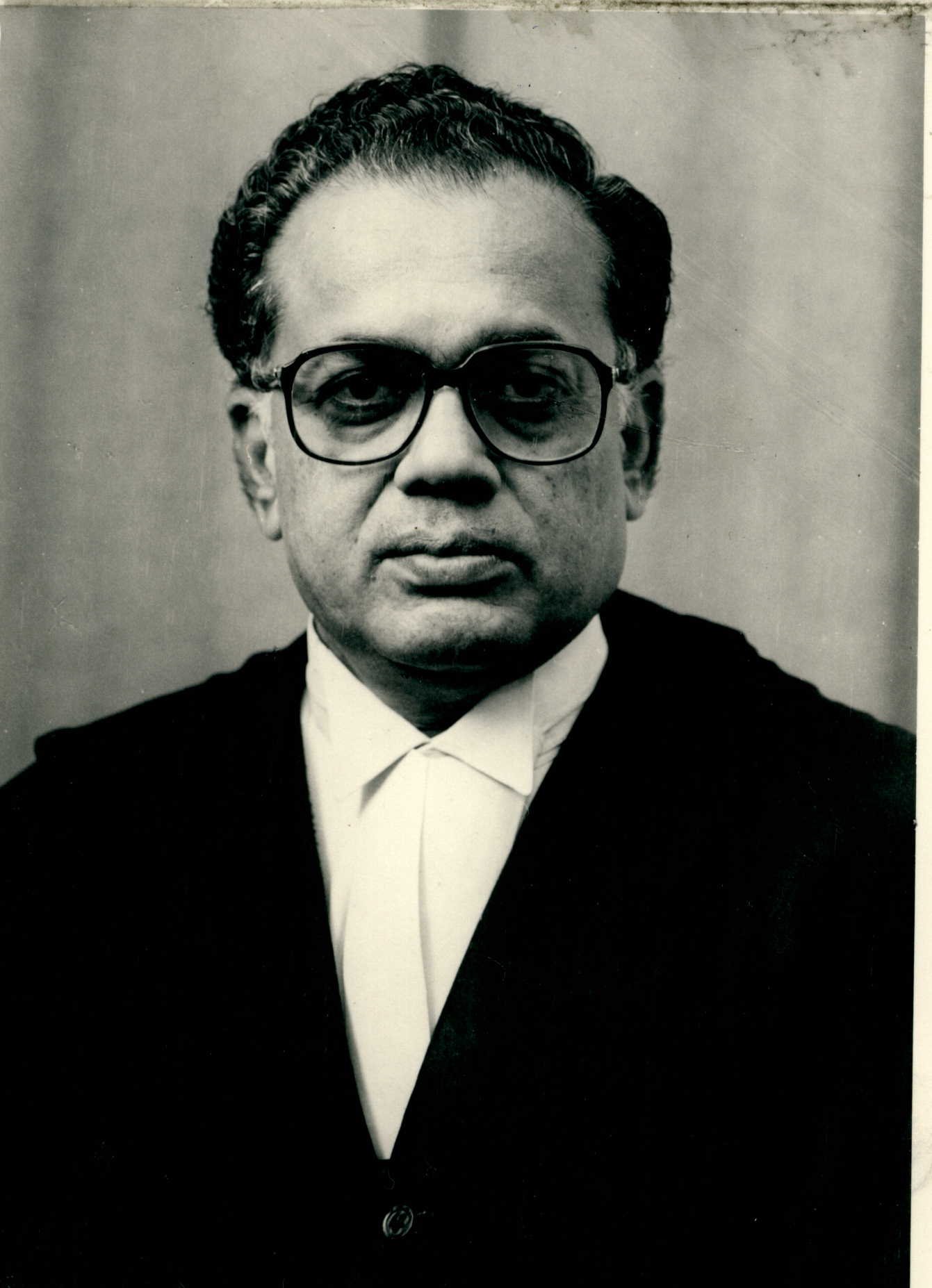
The landmark Supreme Court judgment in V.S. Achuthanandan v. R. Balakrishna Pillai & Ors. remains a cornerstone in Indian criminal jurisprudence, meticulously defining the scope of the Power to Withdraw Prosecution and the court's role in granting consent under Section 321 of the Code of Criminal Procedure. This pivotal ruling, available and comprehensively analyzed on CaseOn, serves as a crucial guidepost for understanding the delicate balance between executive authority and judicial oversight in the administration of criminal justice.
The case originated from a high-profile corruption trial concerning the construction of the Idamalayar Dam in Kerala. Following a judicial inquiry that implicated several high-ranking officials and a former minister in abuse of power and corruption, a criminal case was initiated. The charges included conspiracy under the Indian Penal Code, 1860, and offences under the Prevention of Corruption Act, 1947.
During the trial, the Special Public Prosecutor filed an application under Section 321 of the Code of Criminal Procedure (CrPC) seeking the court's permission to withdraw the prosecution. However, this application was peculiar—it sought withdrawal against only one of the accused, Mr. G. Gopalakrishna Pillai (Accused No. 6), on the sole ground that there was a "paucity of evidence" to secure a conviction against him.
The Special Judge meticulously examined the evidence on record and rejected the application. The judge concluded that the Public Prosecutor had not exercised his power in good faith and had failed to apply his mind objectively to the facts. He found it implausible to single out one accused in a conspiracy case on grounds of insufficient evidence when all were seemingly connected. The State of Kerala then challenged this refusal in the High Court, which controversially overturned the Special Judge's order, leading to the appeal before the Supreme Court.
The Supreme Court's judgment provides a masterclass in legal reasoning, which can be broken down using the IRAC method.
The central issue before the Supreme Court was whether the High Court was justified in setting aside the Special Judge's order by considering grounds that were never presented by the Public Prosecutor in his original application. Essentially, could the High Court conduct its own "roving inquiry" and substitute its own reasons for withdrawal, or was it bound to review only the reasons provided by the prosecutor?
The governing provision is Section 321 of the CrPC, which empowers a Public Prosecutor to withdraw from a prosecution with the court's consent. The Supreme Court reiterated several well-settled principles from previous judgments, including Sheonandan Paswan v. State of Bihar:
The Supreme Court systematically dismantled the High Court's order. It found that the High Court had fundamentally misunderstood its role. The only ground presented by the Public Prosecutor to the Special Judge was a "paucity of evidence." The Special Judge rightly found this ground to be unsubstantiated and indicative of a non-application of mind.
The High Court, however, ignored this primary ground. Instead, it delved into administrative files (which were not part of the court record) and accepted new arguments presented by the State, such as:
The Supreme Court held this approach to be a grave error. It clarified that for the purposes of Section 321, it is the opinion of the Public Prosecutor alone which is material, and the grounds on which he seeks withdrawal are the only ones to be examined by the court. The High Court's actions were an impermissible overreach, as it introduced extraneous considerations that were never part of the prosecutor's application.
Analyzing complex jurisdictional precedents and the specific application of statutory provisions can be time-consuming. Legal professionals can leverage tools like the CaseOn.in 2-minute audio briefs to quickly grasp the core reasoning of rulings like this one, allowing for more efficient case preparation and deeper understanding on the go.
The Supreme Court lauded the Special Judge's order as "well-reasoned and justified," as he had correctly applied the established legal tests. He had rightfully performed his duty to ensure that the power to withdraw prosecution was not being misused for extraneous reasons.
The Supreme Court allowed the appeal, setting aside the High Court's order and restoring the Special Judge's decision to refuse consent for withdrawal. The final verdict firmly established that a court cannot grant permission for withdrawal based on grounds it discovers on its own or which are suggested by the State during a revision. The integrity of the process demands that the review is confined strictly to the grounds formally presented by the Public Prosecutor.
In essence, the Supreme Court's decision in V.S. Achuthanandan v. R.B. Pillai reinforces a critical principle: the power under Section 321 CrPC is an executive function of the Public Prosecutor, but it is subject to the supervisory jurisdiction of the court. The court's consent is a crucial check to prevent abuse of power. The High Court erred by expanding its revisional jurisdiction to consider extraneous materials and grounds not urged by the prosecutor, thereby undermining the very foundation of this legal safeguard.
This case is an essential read for anyone studying or practicing criminal law in India. It offers profound insights into:
This article is for informational and educational purposes only and does not constitute legal advice. The analysis provided is based on the court's judgment. For specific legal issues, it is recommended to consult with a qualified legal professional.

 Login with google
Legal Notes
Add a Note....