
As per case facts, a surge in street hawkers in Ahmedabad caused significant traffic and public amenity issues, prompting the Municipal Corporation to implement an approved scheme to remove these ...
No Acts & Articles mentioned in this case
http://JUDIS.NIC.IN SUPREME COURT OF INDIA Page 1 of 5
PETITIONER:
AHMEDABAD MUNICIPAL CORPORATION
Vs.
RESPONDENT:
DILBAGSINGH BALWANTSINGH AND ORS.
DATE OF JUDGMENT24/03/1992
BENCH:
REDDY, K. JAYACHANDRA (J)
BENCH:
REDDY, K. JAYACHANDRA (J)
PANDIAN, S.R. (J)
CITATION:
1992 SCR (2) 322 1992 SCC Supl. (2) 630
JT 1992 (2) 363 1992 SCALE (1)721
ACT:
Ahmedabad Municipal Corporation Act
Foot-path hawkers on public streets-Obstructions to
traffic and other public amenities-Removal by Corporation
under an approved scheme-Tactics of hawkers to thwert
implementation of scheme-Interim injunction granted in their
favour vacated.
HEADNOTE:
A mushroom growth of public street/footpath hawkers
affected the traffic and other public amenities. The
Corporation (appellant) decided to remove the obstructions
created by such hawkers, after giving them enough
opportunity.
The Corporation's action was challenged by way of writ
petitions in the High Court. The High Court after hearing
all the petitioners and following the judgments of this
Court in Bombay Hawkers Union v. Bombay Municipal
Corporation, [1985] 3 SCC 528 and Olga Tellis v. Bombay
Municipal Corporation, [1985] 3 SCC 544 directed the
Corporation to evolve a scheme having regard to the overall
local conditions in the area.
Several special leave petitions were filed against the
High Court's judgment and this Court remitted the matter
back to the High Court for consideration of the scheme.
On 22.4.87 the High Court held that the scheme framed
by the Corporation observed to be accepted subject to
certain modifications.
When some of the aggrieved persons approached this
Court, this Court permitted the hawkers and other similarly
placed traders to place their difficulties before the High
Court.
On 7.12.87 the High Court reconsidering the scheme,
held that it was not necessary to further modify the scheme
and ultimately the scheme was confirmed.
The respondents were small traders running their
business in small
323
shops. they were alleged to have made encroachments and were
also covered by the scheme. They filed several suits and
withdrew them after the High Court gave its final
verdict.
http://JUDIS.NIC.IN SUPREME COURT OF INDIA Page 2 of 5
On 1.10.88 the respondents filed a suit in the City
Civil Court for directions and injunction. The appellant
Corporation filed a reply to the notice of motion. The City
Civil Court on 18.9.89 vacated the interim injunction.
The respondents thereupon filed an appeal in the High
Court seeking interim injunction which was admitted granting
interim injunction restraining the Corporation from removing
or pulling down the business premises of the respondents.
The Corporation filed the present appeal questioning
the High Court's order, contending that on earlier occasions
the High Court dismissed the appeals and that the
encroachment was causing nuisance and inconvenience to the
public and the Corporation was finding it extremely
difficult to implement the scheme which was considered and
approved by the High Court in accordance with the directions
given by this Court.
The respondents submitted that there was no objections
to the implementation of the scheme; and that their shops
did not in any way amount to encroachment and their
locations did not cause any inconvenience or nuisance.
Allowing the appeal, this Court,
HELD: 1.01. Several associations of hawkers, traders
and larrigallawalas filed writ petitions and the Supreme
Court directed the High Court to consider the difficulties
and finally the High Court approved the scheme subject to
some modifications. [326C]
1.02. In the instant case notice was issued and this
Court and also directed the appellant-Corporation to seek
any other relief on the basis of the order of this Court in
the S.L.P. (Civil) No.5465/89, and the S.L.P. was adjourned
to 15.11.91 for enabling the Corporation to provide
alternative suitable sites for the respondents according to
the scheme. Thereafter the matter was adjourned several
times at the request of the counsel. [326 F-G]
1.03. On 4.2.92 a rejoinder was filed in which it is
stated that the
324
Corporation had offered to the respondents hawking licenses
etc. under the scheme but the respondents are not accepting
the same and that the respondents were offered four
alternative sites in Plot No. 174 of the Town Planning
Scheme and that the same are suitable to carry on their
businesses. [326 G-327A]
1.04. On 7.2.92 the respondents stated before this
Court that they will choose any one of the alternative sites
now offered by the appellant Corporation and more to the
offered place. The matter was again adjourned. The
respondents once again have come forward with the same kind
of grievance and it is also submitted that they are not
encroaching upon the public road and some other shops
similarly situated are not being shifted and that the sites
offered by the Corporation are not suitable. [327 A-B]
1.05. The respondents have been trying their best to
thwart the implementation of the scheme which was examined
by this Court as well as the High Court on more than one
occasion. [327 B-C]
JUDGMENT:
Bombay Hawkers Union v. Bombay Municipal Corporation,
[1985] 3 SCC 528; Olga Tellis v. Bombay municipal
Corporation, [1985] 3 SCC 544; Baroda Municipal Corporation
v. Sharmjivi Hathlary Association & Ors., SLP (CIVIL) No.
5465/89-D/-3.5. 1989, referred to.
http://JUDIS.NIC.IN SUPREME COURT OF INDIA Page 3 of 5
&
CIVIL APPELLATE JURISDICTION : Civil Appeal No. 1117 of
1992.
From the Judgment and Order dated 27.9.1990 of the
Gujarat High Court in Appeal from Order No. 393/89.
WITH
Civil Application No. 2857 of 1989.
T.U. Mehta, Kuldeep Parihar and H.S. Parihar for the
Appellant.
Ramesh P. Bhatt, Ms. Tanuja Sheel, Ms. Priya Hingorani
and M.N. Shroff for the Respondents.
The Judgment of Court was delivered by
K.JAYACHANDRA REDDY, J. Leave granted
325
Ahmedabad Municipal Corporation ('Corporation' for
short) is the appellant herein and the four respondents are
small traders running their businesses in small shops. They
claimed that their shops are 10 feet away from the public
road. According to the appellant Corporation there was a
mushroom growth of public street/footpath hawkers which
affected the traffic and other public amenities and
therefore the police/public Authorities within the Municipal
Corporation area were constrained to remove the obstructions
created by such hawkers after giving them enough
opportunity. The said action of the police/public
authorities had been challenged by way of a number of
petitions in the High Court of Gujarat. The High Court
after hearing all the petitioners and following the
Judgments of this Court in Bombay Hawkers Union v. Bombay
Municipal Corporation, [1985] 3 SCC 528 and Olga Tellis v.
Bombay Municipal Corporation, [1985] 3 SCC 544 directed the
Corporation to evolve a scheme having regard to the overall
local conditions in the area. Questioning the above said
order and judgment of the High Court several special leave
petitions were filed and this Court remitted the matter back
to the High Court of Gujarat for consideration of the scheme
in the light of certain observations made therein. The High
Court by its order dated 22.4.87 held that the scheme framed
by the Corporation deserves to be accepted subject to
certain modifications. Again some of the persons aggrieved
by the said order of the High Court approached this Court
and this Court permitted the hawkers and other similarly
placed traders to place their difficulties before the High
Court. The High Court reconsidered the scheme and by an
order dated 7.12.87 held that it is not necessary to further
modify the scheme and ultimately the scheme was confirmed.
The respondents who are alleged to have made encroachments
and who are also covered by the scheme filed several suits
and withdrew them after the High Court gave its final
verdict. The respondents again filed a suit on 1.10.88 in
the City Civil Court, Ahmedabad for directions and
injunction. The City Civil Court granted interim injunction.
The appellant Corporation filed a reply to the notice of
motion. The City Civil Court by its order dated 18.8.89
vacated the interim injunction. The respondents thereupon
filed an appeal in the High Court and also sought interim
injunction. The High Court admitted the appeal and granted
interim injunction restraining the Corporation from removing
or pulling down the business premises of the respondents.
Questioning the same the Corporation has filed the present
appeal.
It was contended that on earlier occasions the High
Court dismissed
326
the appeals and that the encroachment is causing nuisance
http://JUDIS.NIC.IN SUPREME COURT OF INDIA Page 4 of 5
and inconvenience to the public and the appellant
Corporation is finding it extremely difficult to implement
the scheme which has been considered and approved by the
High Court in accordance with the directions given by this
Court. Learned counsel for the respondents submitted that
there is no objection to the implementation of the scheme.
But so far as the respondents' shops are concerned, it was
submitted that they do not in any way amount to encroachment
and their locations do not cause any inconvenience or
nuisance.
As already mentioned several associations of hawkers,
traders and larri-gallawalas filed writ petitions and the
Supreme Court directed the High Court to consider the
difficulties and finally as stated above the High Court
approved the scheme subject to some modifications. In a
similar matter which was the subject matter of S.L.P.(Civil)
No. 5465/89 - Baroda Municipal Corporation v. Sharmjivi
Hathlary Association & Ors. This Court by its order dated
3.5.89 observed thus :
"We are of the view that it was an attempt to
thwart the Scheme by approaching the Civil Court.
It is an abuse of process of the Court and gives rise to a
situation where contempt action should lie. We, however, do
not propose to take such action, but consider it very
appropriate in the interest of justice to direct dismissal
of the suit itself. By this order of ours, the said suit
being No. 1761 of 1985 in the Court of 6th Joint Civil
Judge, Sr. Div., Vadodara, shall stand dismissed and all
interlocutory orders made therein shall stand dismissed."
However, in the instant case notice was issued and this
Court also directed the appellant Corporation to seek any
other relief on the basis of the order of this Court in the
above S.L.P. (Civil) no. 5465/89. By an order dated 13.9.91
the S.L.P. was adjourned to 15.11.91 for enabling the
Corporation to provide alternative suitable sites for the
respondents according to the scheme. Thereafter the matter
was adjourned several times at the request of the counsel.
Meanwhile on 4.2.92 a rejoinder was filed in which it is
stated that the Corporation had offered to the respondents
hawking licenses etc. under the scheme but the respondents
are not accepting the same. It is also stated therein that
the respondents were offered four alternative sites in plot
No. 174 of the Town Planning scheme and that the
327
same are suitable to carry on their businesses. On 7.2.92
learned counsel appearing for the respondents stated before
this Court that they will choose any one of the alternative
sites now offered by the appellant Corporation and move to
the offered place. The matter was again adjourned. The
respondents once again have come forward with the same kind
of grievance and it is also submitted that they are not
encroaching upon the public road and some other shops
similarly situated are not being shifted and that the sites
offered by the Corporation are not suitable. We have heard
both the parties at length and we are satisfied that the
respondents have been trying their best to thwart the
implementation of the scheme which was examined by this
Court as well as the High Court on more than one occasion.
Therefore we allow this appeal with costs, set aside the
order of the High Court in Civil Application No. 2857/89 in
Appeal from Order No. 393/89 dated 27.9.90 and the interim
injunction granted by the High Court stands vacated. We
confirm the order of the City Civil Court dated 18.9.89
vacating the injunction. Consequently Appeal from Order No.
393/89 pending in the High Court stands dismissed.
http://JUDIS.NIC.IN SUPREME COURT OF INDIA Page 5 of 5
V.P.R. Appeal allowed.
328
In a landmark judgment concerning urban public spaces, the Supreme Court of India delivered a crucial ruling in the case of Ahmedabad Municipal Corporation vs. Dilbagsingh Balwantsingh And Ors. This decision, centered on the enforcement of the Ahmedabad Municipal Corporation Act and the regulation of footpath hawkers, clarifies the delicate balance between livelihood rights and public amenities. The full text of this significant case is readily available on CaseOn, offering comprehensive insights into its legal implications.
Case Name: Ahmedabad Municipal Corporation vs. Dilbagsingh Balwantsingh And Ors.
Citation: 1992 SCR (2) 322, 1992 SCC Supl. (2) 630, JT 1992 (2) 363, 1992 SCALE (1)721
Date of Judgment: March 24, 1992
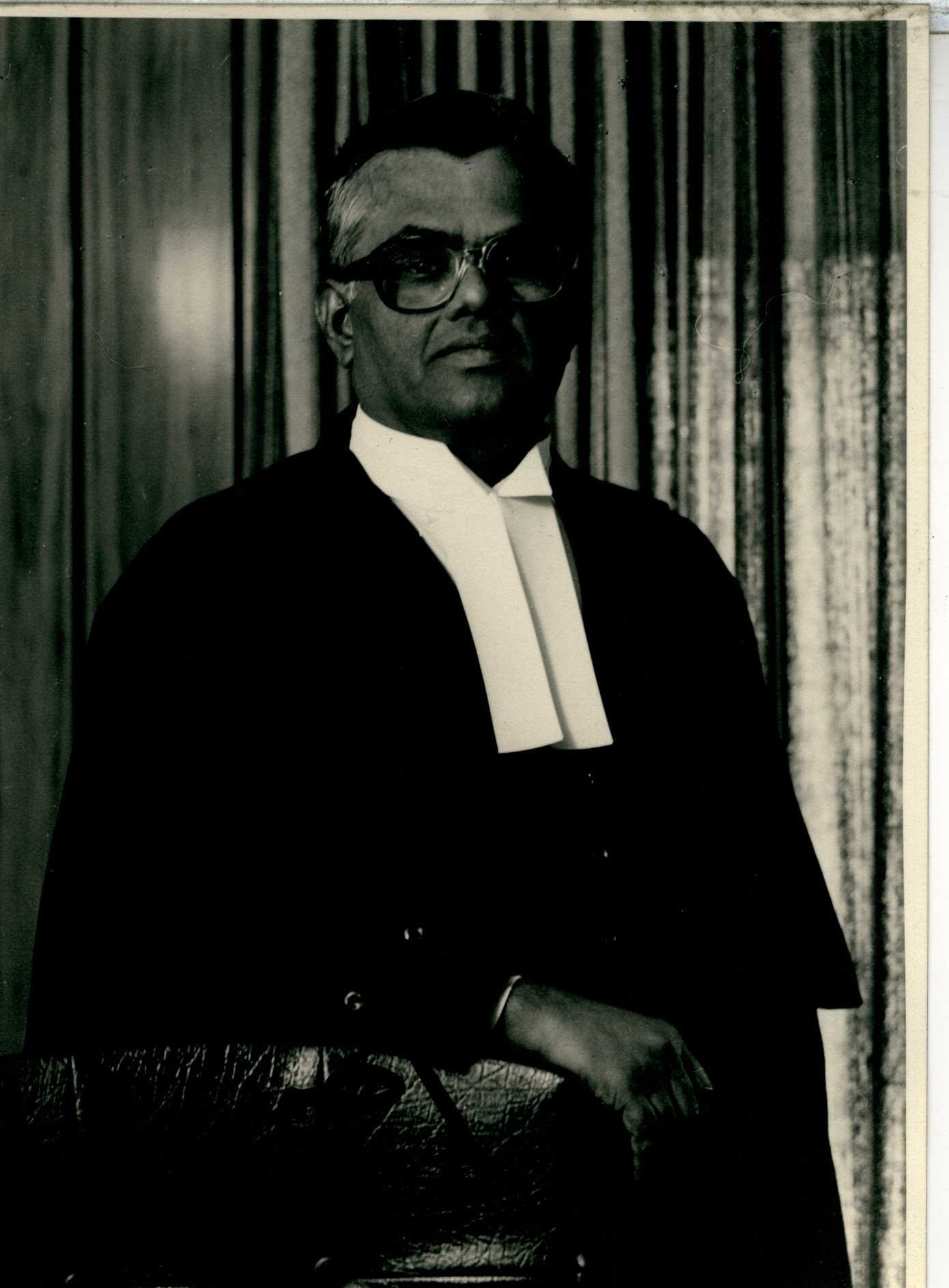
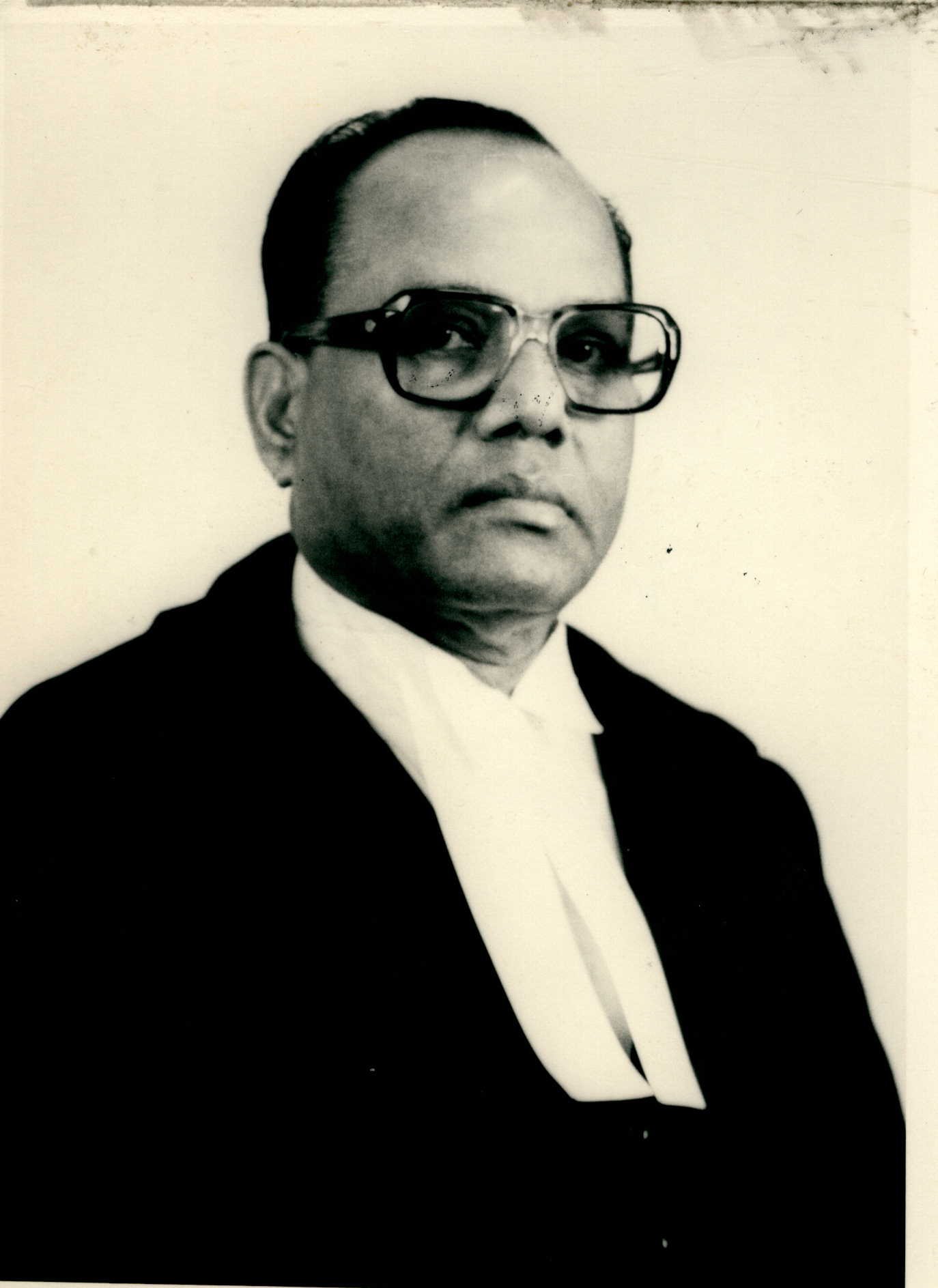
Bench: Hon’ble Mr. Justice K. Jayachandra Reddy, Hon’ble Mr. Justice S.R. Pandian
The case originated from the growing problem of encroachments by street and footpath hawkers in Ahmedabad, leading to significant traffic congestion and public inconvenience. The Ahmedabad Municipal Corporation (appellant) initiated steps to remove these obstructions, following due process and offering opportunities to the hawkers.
The hawkers, including the respondents who were small traders, challenged the Corporation's actions through writ petitions in the High Court. The High Court, drawing upon precedents from cases like Bombay Hawkers Union v. Bombay Municipal Corporation and Olga Tellis v. Bombay Municipal Corporation, directed the Corporation to formulate a comprehensive scheme for hawkers, considering local conditions.
After several rounds of litigation, including special leave petitions to the Supreme Court and subsequent remissions, the High Court finally approved the Corporation's scheme, subject to some modifications, on April 22, 1987. Subsequently, on December 7, 1987, the High Court reaffirmed the scheme without further modifications.
Despite the approved scheme, the respondents continued to resist. They initially filed and then withdrew several suits. Later, on October 1, 1988, they filed a fresh suit in the City Civil Court, Ahmedabad, seeking directions and an injunction. The City Civil Court initially granted an interim injunction but later vacated it on September 18, 1989. Aggrieved, the respondents appealed to the High Court, which, once again, granted an interim injunction preventing the Corporation from removing or dismantling their business premises. This High Court order was then challenged by the Ahmedabad Municipal Corporation before the Supreme Court.
The primary issue before the Supreme Court was whether the High Court was justified in granting an interim injunction that effectively stalled the Ahmedabad Municipal Corporation's efforts to remove encroachments by hawkers, particularly after a detailed scheme for their rehabilitation had been formulated and approved through extensive judicial scrutiny.
The Supreme Court's decision was guided by several established legal principles:
The Supreme Court meticulously reviewed the protracted litigation history and the respondents' conduct. It noted that the Corporation had consistently offered alternative sites and hawking licenses under the approved scheme, including specific plots suitable for business. However, the respondents repeatedly rejected these offers, claiming unsuitability or denying any encroachment.
The Court observed that the respondents’ actions, including filing multiple suits and appeals, demonstrated a clear intent to "thwart the implementation of the scheme which was examined by this Court as well as the High Court on more than one occasion." The Supreme Court highlighted that such tactics amounted to an "abuse of process of the Court." It drew a strong parallel with its previous ruling in the Baroda Municipal Corporation case, where similar attempts to obstruct an approved scheme were met with stern disapproval and dismissal of suits.
CaseOn.in's 2-minute audio briefs provide a concise yet comprehensive analysis of such rulings, allowing legal professionals to quickly grasp the nuances of judgments concerning public land use and municipal law, like this pivotal decision.
The Bench concluded that the High Court's grant of interim injunction was unwarranted and effectively undermined the carefully crafted and judicially approved scheme designed to bring order to public spaces. The Corporation's efforts to enforce a scheme vital for public amenities and traffic management were being unfairly impeded.
The Supreme Court, finding the respondents' actions to be an abuse of legal process and a deliberate attempt to obstruct a legitimate public welfare scheme, allowed the appeal filed by the Ahmedabad Municipal Corporation. Consequently, the Court:
The judgment effectively paved the way for the Corporation to proceed with the implementation of its approved scheme for managing street hawkers.
This ruling reinforces the authority of municipal corporations to manage public spaces and implement schemes designed for public welfare, even in the face of resistance from individuals claiming livelihood rights. It underscores the judiciary's role in upholding approved schemes and preventing the abuse of legal processes through repetitive and obstructive litigation. The Court made it clear that while hawkers' rights are recognized, they must be balanced with the greater public good, and dilatory tactics to avoid compliance with rehabilitation schemes will not be condoned.
This judgment is a crucial read for:
All information provided in this analysis is for informational purposes only and does not constitute legal advice. While efforts have been made to ensure accuracy, readers are advised to consult with a qualified legal professional for advice on specific legal issues.

 Login with google
Legal Notes
Add a Note....