
As per case facts, petitioners are Haryana State employees with 40% or more disability. Rule 143 of the Haryana Civil Service (General) Rules, 2016, limited extended superannuation to 60 years ...
No Acts & Articles mentioned in this case
CWP-2340-2023 (O&M) and connected cases.
Page 2 of 46
V/S
STATE OF HARYANA AND ANOTHER ….Responde nt(s)
8. CWP-3148-2024 (O&M)
NARESH KUMAR ….Petitione r(s)
V/S
HARYANA VIDYUT PRASARAN NIGAM LIMITED AND ANOTHER
….Respondent(s)
9. CWP-3307-2024 (O&M)
SATISH KUMAR ….Petitioner(s)
V/S
STATE OF HARYANA AND OTHERS ….Respondent(s)
10. CWP-3927-2024 (O&M)
SURJEET SINGH ….Petition er(s)
V/S
DAKSHIN HARYANA BIJLI VITRAN NIGAM LTD. AND OTHERS
….Respondent(s )
11. CWP-4458-2024 (O&M)
TARSEM SINGH ….Petitioner(s)
V/S
STATE OF HARYANA AND ANOTHER ….Respondent(s)
12. CWP-4481-2024 (O&M)
VED PARKASH ….Petitioner(s)
V/S
STATE OF HARYANA AND OTHERS ….Respondent(s)
13. CWP-5411-2024 (O&M)
PARDEEP CHAND SANGHI ….Petitioner(s)
V/S
STATE OF HARYANA AND OTHERS ….Responde nt(s)
14. CWP-5470-2024 (O&M)
PRADEEP KUMAR ….Petition er(s)
CWP-2340-2023 (O&M) and connected cases.
Page 3 of 46
V/S
STATE OF HARYANA AND ANOTHER ….Responde nt(s)
15. CWP-5476-2024 (O&M)
PARKASH SINGH ….Petitioner(s)
V/S
STATE OF HARYANA AND ANOTHER ….Responde nt(s)
16. CWP-5485-2024 (O&M)
JOGINDER SINGH ….Petitioner(s)
V/S
STATE OF HARYANA AND OTHERS ….Respondent(s)
17. CWP-6490-2024 (O&M)
GULZAR SINGH ….Petitioner(s)
V/S
STATE OF HARYANA AND OTHERS ….Responde nt(s)
18. CWP-4250-2024 (O&M)
GAJRAJ SINGH ….Petitione r(s)
V/S
STATE OF HARYANA AND ANOTHER ….Respondent(s)
19. CWP-5970-2024 (O&M)
NIRMALA DEVI ….Petitioner(s)
V/S
STATE OF HARYANA AND ANR ….Respondent(s)
20. CWP-6476-2024 (O&M)
PUSHPA DEVI ….Petitioner(s)
V/S
STATE OF HARYANA AND OTHERS ….Respondent(s)
21. CWP-6555-2024 (O&M)
BALWANT SINGH ….Petitioner(s)
V/S
CWP-2340-2023 (O&M) and connected cases.
Page 4 of 46
STATE OF HARYANA AND ANOTHER ….Respondent(s)
22. CWP-7720-2024 (O&M)
SUMER SINGH BHUWAL ….Petitioner(s)
V/S
STATE OF HARYANA AND OTHERS ….Responde nt(s)
23. CWP-9857-2024 (O&M)
KARAN SINGH ….Petitioner (s)
V/S
STATE OF HARYANA AND OTHERS ….Responden t(s)
24. CWP-7473-2024 (O&M)
BIR SINGH ….Petitioner(s)
V/S
STATE OF HARYANA AND ANOTHER ….Respondent(s)
25. CWP-29482-2023 (O&M)
HARI PARKASH ….Petitioner(s)
V/S
STATE OF HARYANA AND OTHERS ….Responde nt(s)
26. CWP-6662-2024 (O&M)
RAJ SINGH ….Petitioner(s)
V/S
STATE OF HARYANA AND OTHERS ….Responde nt(s)
27. CWP-6569-2024 (O&M)
SAJJAN SINGH ….Petitioner(s)
V/S
STATE OF HARYANA AND OTHERS ….Responde nt(s)
28. CWP-7297-2024 (O&M)
SURINDER SINGH ….Petitioner(s)
V/S
STATE OF HARYANA AND OTHERS ….Responde nt(s)
29. CWP-11326-2024 (O&M)
CWP-2340-2023 (O&M) and connected cases.
Page 5 of 46
SHIRI BHAGWAN ….Petitioner(s)
V/S
STATE OF HARYANA AND ANOTHER ….Respondent(s)
30. CWP-9113-2024 (O&M)
BEER SINGH ….Petitioner(s)
V/S
STATE OF HARYANA AND OTHERS ….Responde nt(s)
31. CWP-12637-2024 (O&M)
KAILASH CHANDER ….Petitioner(s)
V/S
STATE OF HARYANA AND OTHERS ….Respondent(s)
32. CWP-14352-2024 (O&M)
RAM PHAL ….Petitioner(s)
V/S
STATE OF HARYANA AND OTHERS ….Respondent(s)
33. CWP-14876-2024 (O&M)
OM PARKASH ….Petitioner(s)
V/S
STATE OF HARYANA AND ANOTHER ….Respondent(s)
34. CWP-14921-2024 (O&M)
VIJAY SAINI ….Petitioner(s)
V/S
STATE OF HARYANA AND ANOTHER ….Respondent(s)
35. CWP-16070-2024 (O&M)
SUSHILA DEVI ….Petitioner(s)
V/S
STATE OF HARYANA AND ORS ….Respondent(s)
36. CWP-14948-2024 (O&M)
CWP-2340-2023 (O&M) and connected cases.
Page 6 of 46
MEENA KUMARI ….Petitioner(s)
V/S
STATE OF HARYANA AND OTHERS ….Responde nt(s)
37. CWP-13159-2024 (O&M)
RAMESH KUMAR ….Petitioner(s)
V/S
STATE OF HARYANA AND OTHERS ….Respondent(s)
38. CWP-37361-2019 (O&M)
SAMUNDER SINGH ….Petitioner(s)
V/S
STATE OF HARYANA AND OTHERS ….Respondent(s)
39. CWP-14501-2024 (O&M)
KULBIR SINGH ….Petitioner(s)
V/S
STATE OF HARYANA AND OTHERS ….Respondent(s)
40. CWP-14968-2024 (O&M)
LAXMAN SINGH ….Petitioner(s)
V/S
STATE OF HARYANA AND ANOTHER ….Respondent(s)
41. CWP-15391-2024 (O&M)
MAHENDER SINGH ….Petitioner(s)
V/S
STATE OF HARYANA AND OTHERS ….Respondent(s)
42. CWP-16550-2024 (O&M)
JAGMAL SINGH ….Petitioner(s)
V/S
STATE OF HARYANA AND ANOTHER ….Respondent(s)
43. CWP-19654-2024 (O&M)
PAT RAM ….Petitioner(s)
CWP-2340-2023 (O&M) and connected cases.
Page 7 of 46
V/S
STATE OF HARYANA AND OTHERS ….Respondent(s)
44. CWP-19952-2024 (O&M)
VIJAY KUMAR ….Petitioner(s)
V/S
STATE OF HARYANA AND OTHERS ….Respondent(s)
45. CWP-23480-2024 (O&M)
SHAMSHEER SINGH ….Petitioner(s)
V/S
STATE OF HARYANA AND ORS ….Respondent( s)
46. CWP-25523-2024 (O&M)
MANJEET KAUR ….Petitioner(s)
V/S
STATE OF HARYANA AND OTHERS ….Respondent(s)
47. CWP-29119-2024 (O&M)
DHIRAJ YADAV ….Petitioner(s)
V/S
STATE OF HARYANA AND OTHERS ….Respondent(s)
48. CWP-29849-2024 (O&M)
SOM CHAND ….Petitioner(s)
V/S
STATE OF HARYANA AND OTHERS ….Responde nt(s)
49. CWP-29925-2024 (O&M)
KAUSHALYA DEVI ALIAS KOSHILYA DEVI ….Petitio ner(s)
V/S
STATE OF HARYANA AND OTHERS ….Respondent(s)
50. CWP-14961-2024 (O&M)
BIJENDER SINGH ….Petitioner(s)
V/S
STATE OF HARYANA AND OTHERS ….Respondent(s)
CWP-2340-2023 (O&M) and connected cases.
Page 8 of 46
51. CWP-18859-2024 (O&M)
UMESH KUMAR SRIVASTAVA ….Petitioner(s)
V/S
STATE OF HARYANA AND OTHERS ….Respondent(s)
52. CWP-22244-2024 (O&M)
KRISHNA KUMARI ….Petitioner(s)
V/S
STATE OF HARYANA AND OTHERS ….Respondent(s)
53. CWP-24163-2024 (O&M)
SUNITA DEVI ….Petitioner(s)
V/S
STATE OF HARYANA AND OTHERS ….Respondent(s)
54. CWP-26404-2024 (O&M)
SURESH KUMAR ….Petitioner(s)
V/S
STATE OF HARYANA AND ORS. ….Respondent( s)
55. CWP-27628-2024 (O&M)
VISHMBER SINGH ….Petitioner(s)
V/S
STATE OF HARYANA AND OTHERS ….Respondent(s)
56. CWP-28538-2024 (O&M)
KIRANJIT KAUR ….Petitioner(s)
V/S
STATE OF HARYANA AND ANR ….Respondent( s)
57. CWP-16443-2024 (O&M)
SURESH KUMAR BHARDWAJ ….Petitioner( s)
V/S
STATE OF HARYANA AND ANOTHER ….Respondent(s)
58. CWP-33051-2024 (O&M)
CWP-2340-2023 (O&M) and connected cases.
Page 9 of 46
ASHOK KUMAR ….Petitioner(s)
V/S
STATE OF HARYANA AND OTHERS ….Respondent(s)
59. CWP-35373-2024 (O&M)
RAJINDER SINGH ….Petitioner(s)
V/S
STATE OF HARYANA AND OTHERS ….Respondent(s)
60. CWP-853-2025 (O&M)
GOBIND RAM ….Petitioner(s)
V/S
STATE OF HARYANA AND OTHERS ….Respondent(s)
61. CWP-955-2025 (O&M)
KIRAN BALA ….Petitioner(s)
V/S
STATE OF HARYANA AND OTHERS ….Responden t(s)
62. CWP-12779-2024 (O&M)
KULDEEP SINGH ….Petitioner(s)
V/S
STATE OF HARYANA AND OTHERS ….Responde nt(s)
63. CWP-12785-2024 (O&M)
KRISHAN KUMAR ….Petitioner(s)
V/S
STATE OF HARYANA AND ANR ….Respondent(s)
64. CWP-12856-2024 (O&M)
BALJEET SINGH ….Petitioner(s)
V/S
STATE OF HARYANA AND OTHERS ….Respondent(s)
65. CWP-13392-2024 (O&M)
CWP-2340-2023 (O&M) and connected cases.
Page 10 of 46
KAMLESH KUMARI ….Petitioner(s)
V/S
STATE OF HARYANA AND ANOTHER ….Respondent(s)
66. CWP-13734-2024 (O&M)
MANOJ GHAI ….Petitioner(s)
V/S
STATE OF HARYANA AND OTHERS ….Respondent(s)
67. CWP-15770-2024 (O&M)
BALWINDER SINGH ….Petitioner(s)
V/S
STATE OF HARYANA AND ANOTHER ….Respondent(s)
68. CWP-32365-2024 (O&M)
OM SINGH ….Petitioner(s)
V/S
STATE OF HARYANA AND OTHERS ….Respondent(s)
69. CWP-30130-2024 (O&M)
NARESH KUMAR ….Petitioner(s)
V/S
STATE OF HARYANA AND OTHERS ….Responde nt(s)
70. CWP-14179-2024 (O&M)
MURTI DEVI ….Petitioner(s)
V/S
STATE OF HARYANA AND ANOTHER ….Respondent(s)
71. CWP-32996-2024 (O&M)
KRISHAN KUMAR ….Petitioner(s)
V/S
STATE OF HARYANA AND OTHERS ….Respondent(s)
72. LPA-733-2020 (O&M)
STATE OF HARYANA AND OTHERS ….Appellant(s)
V/S
CWP-2340-2023 (O&M) and connected cases.
Page 11 of 46
SHAKUNTLA DEVI AND ANOTHER ….Respondent(s)
73. CWP-33651-2024 (O&M)
RAVI JYOTI ….Petitioner(s)
V/S
STATE OF HARYANA AND ANOTHER ….Respondent(s)
74. CWP-4947-2025 (O&M)
DR. MEENU SINGH ….Petitioner(s)
V/S
STATE OF HARYANA AND OTHERS ….Respondent(s)
75. CWP-3559-2025 (O&M)
NAMRATA CHAUHAN ….Petitioner(s)
V/S
STATE OF HARYANA AND ANOTHER ….Respondent(s)
76. CWP-3074-2025 (O&M)
BIJENDER SINGH ….Petitioner(s)
V/S
STATE OF HARYANA AND OTHERS ….Respondent(s)
77. CWP-2436-2025 (O&M)
VINEYPAL SINGH ….Petitioner(s)
V/S
STATE OF HARYANA AND OTHERS ….Respondent(s)
78. CWP-4614-2025 (O&M)
KASHMIRI LAL ….Petitioner(s)
V/S
STATE OF HARYANA AND OTHERS ….Respondent(s)
79. CWP-5086-2025 (O&M)
PREM ….Petitioner(s)
V/S
STATE OF HARYANA AND OTHERS ….Respondent(s)
CWP-2340-2023 (O&M) and connected cases.
Page 12 of 46
80. CWP-31187-2024 (O&M)
SULTAN SINGH AND ANOTHER ….Petitioner(s)
V/S
STATE OF HARYANA AND OTHERS ….Respondent(s)
81. CWP-2040-2025 (O&M)
JOGINDER SINGH ….Petitioner(s)
V/S
STATE OF HARYANA AND OTHERS ….Respondent(s)
82. CWP-32844-2024 (O&M)
HARI KISHAN ….Petitioner(s)
V/S
STATE OF HARYANA AND OTHERS ….Respondent(s)
83. CWP-1290-2025 (O&M)
AZAD SINGH ….Petitioner(s)
V/S
STATE OF HARYANA ….Respondent(s )
84. CWP-7716-2025 (O&M)
LEELAWATI ….Petitioner(s)
V/S
STATE OF HARYANA AND OTHERS ….Respondent(s)
85. CWP-7820-2025 (O&M)
SUBHASH CHANDER ….Petitioner(s)
V/S
STATE OF HARYANA AND ANOTHER ….Respondent(s)
86. CWP-10374-2025 (O&M)
DILRAJ HOODA ….Petitioner(s)
V/S
STATE OF HARYANA AND OTHERS ….Respondent(s)
87. CWP-10520-2025 (O&M)
VIRENDER SINGH ….Petitioner(s)
CWP-2340-2023 (O&M) and connected cases.
Page 13 of 46
V/S
STATE OF HARYANA AND OTHERS ….Respondent(s)
88. CWP-20637-2024 (O&M)
SURENDRA PAL SINGH ….Petitioner(s)
V/S
STATE OF HARYANA AND OTHERS ….Respondent(s)
89. CWP-4358-2025 (O&M)
SOM DUTT ….Petitioner(s)
V/S
STATE OF HARYANA AND OTHERS ….Respondent(s)
90. CWP-11362-2025 (O&M)
JAGROOP SINGH ….Petitioner(s)
V/S
STATE OF HARYANA AND ANOTHER ….Respondent(s)
91. CWP-11055-2025 (O&M)
SHYAM LAL ….Petitioner(s)
V/S
STATE OF HARYANA AND OTHERS ….Respondent(s)
92. CWP-11012-2025 (O&M)
RAM PAL ….Petitioner(s)
V/S
STATE OF HARYANA AND OTHERS ….Respondent(s)
93. CWP-13029-2025
RAMESH KUMAR ….Petitioner(s)
V/S
STATE OF HARYANA AND OTHERS ….Respondent(s)
94. CWP-13911-2025 (O&M)
JAGDISH SINGH ….Petitioner(s)
V/S
STATE OF HARYANA AND OTHERS ….Respondent(s)
CWP-2340-2023 (O&M) and connected cases.
Page 14 of 46
95. CWP-11848-2025 (O&M)
ASHOK KUMAR ….Petitioner(s)
V/S
STATE OF HARYANA AND OTHERS ….Respondent(s)
96. CWP-11418-2025 (O&M)
JAI BHAGWAN ….Petitioner(s)
V/S
STATE OF HARYANA AND OTHERS ….Respondent(s)
97. CWP-13922-2025 (O&M)
SUNITA ….Petitioner(s)
V/S
STATE OF HARYANA AND OTHERS ….Respondent(s)
98. CWP-12713-2025 (O&M)
SATYAWAN ….Petitioner(s)
V/S
STATE OF HARYANA AND OTHERS ….Respondent(s)
99. CWP-8579-2025 (O&M)
JITENDER KUMAR KAUSHIK ….Petitioner(s)
V/S
STATE OF HARYANA AND OTHERS ….Respondent(s)
100. CWP-14105-2025 (O&M)
YAD RAM ….Petitioner(s)
V/S
STATE OF HARYANA AND OTHERS ….Respondent(s)
101. CWP-14346-2025 (O&M)
KULINTA DEVI ….Petitioner(s)
V/S
STATE OF HARYANA AND OTHERS ….Respondent(s)
102. CWP-14988-2025 (O&M)
OM PARKASH RANA ….Petitioner(s)
CWP-2340-2023 (O&M) and connected cases.
Page 15 of 46
V/S
THE STATE OF HARYANA AND OTHERS ….Respondent(s)
103. CWP-16974-2025 (O&M)
DEVENDER KUMAR ….Petitioner(s)
V/S
STATE OF HARYANA AND OTHERS ….Respondent(s)
104. CWP-17637-2025 (O&M)
AJIT SINGH ….Petitioner(s)
V/S
STATE OF HARYANA AND OTHERS ….Respondent(s)
105. CWP-17780-2025 (O&M)
RAJENDER SINGH ….Petitioner(s)
V/S
STATE OF HARYANA AND OTHERS ….Respondent(s)
106. CWP-18754-2025 (O&M)
ROOPRAM ….Petitioner(s)
V/S
STATE OF HARYANA AND OTHERS ….Respondent(s)
107. LPA-1480-2025 (O&M)
RAM NIWAS ….Appellant(s)
V/S
STATE OF HARYANA AND ORS ….Respondent(s )
108. CWP-16156-2025 (O&M)
KARAMVIR NAIN ….Petitioner(s)
V/S
THE STATE OF HARYANA AND ANR ….Respond ent(s)
109. CWP-1977-2021 (O&M)
CHANDI RAM ….Petitioner(s)
V/S
STATE OF HARYANA AND OTHERS ….Respondent(s)
CWP-2340-2023 (O&M) and connected cases.
Page 16 of 46
110. CWP-15843-2024 (O&M)
MADHAV CHANDER ….Petitioner(s)
V/S
STATE OF HARYANA AND OTHERS ….Respondent(s)
111. CWP-23052-2025 (O&M)
SATYAWAN SINGH ….Petitioner(s)
V/S
STATE OF HARYANA AND OTHERS ….Respondent(s)
112. CWP-23656-2025 (O&M)
RANJIT SINGH ….Petitioner(s)
V/S
STATE OF HARYANA AND OTHERS ….Respondent(s)
113. CWP-23985-2025 (O&M)
ISHWAR SINGH MOR ….Petitioner(s)
V/S
STATE OF HARYANA AND OTHERS ….Respondent(s)
114. CWP-6678-2024 (O&M)
BRAHAM DUTT ….Petitioner(s)
V/S
STATE OF HARYANA AND OTHERS ….Respondent(s)
115. CWP-25844-2025 (O&M)
RAM PAL ….Petitioner(s)
V/S
STATE OF HARYANA AND OTHERS ….Respondent(s)
116. CWP-24576-2025 (O&M)
SHADI RAM ….Petitioner(s)
V/S
STATE OF HARYANA AND ORS ….Respondent(s)
117. CWP-5839-2025
GIRRAJ SINGH ….Petitioner(s)
CWP-2340-2023 (O&M) and connected cases.
Page 17 of 46
V/S
STATE OF HARYANA AND OTHERS ….Respondent(s)
118. CWP-7174-2025
DUSHYANT KUMAR ….Petitioner(s)
V/S
STATE OF HARYANA AND OTHERS ….Respondent(s)
119. CWP-11034-2025 (O&M)
SUKANYA ….Petitioner(s)
V/S
STATE OF HARYANA AND ANOTHER ….Respondent(s)
120. CWP-26985-2025 (O&M)
SULTAN SINGH ….Petitioner(s)
V/S
STATE OF HARYANA AND OTHERS ….Respondent(s)
121. CWP-18646-2021 (O&M)
RAM CHARAN ….Petitioner(s)
V/S
STATE OF HARYANA AND OTHERS ….Respondent(s)
122. CWP-7844-2022 (O&M)
BALJEET SINGH NAIN ….Petitioner(s)
V/S
HARYANA DAIRY DEVELOPMENT COOPERATIVE FEDERATION
LTD AND ANOTHER ….Respondent(s)
123. CWP-9625-2023 (O&M)
RAJ PAL ….Petitioner(s)
V/S
STATE OF HARYANA AND OTHERS ….Respondent(s)
124. CWP-27478-2025 (O&M)
SUNEHARA SINGH ….Petitioner(s)
V/S
CWP-2340-2023 (O&M) and connected cases.
Page 18 of 46
STATE OF HARYANA AND OTHERS ….Responden t(s)
125. CWP-28283-2025 (O&M)
MAHINDER SINGH ….Petitioner(s)
V/S
STATE OF HARYANA AND OTHERS ….Respondent(
126. CWP-28250-2025 (O&M)
BHAYA RAM ….Petitioner(s)
V/S
STATE OF HARYANA AND OTHERS ….Respondent(s)
127. CWP-30035-2025 (O&M)
CHANDRAVIR SINGH ….Petitioner(s)
V/S
STATE OF HARYANA AND OTHERS ….Responde nt(s)
128. CWP-30466-2025 (O&M)
JAGDISH KUMAR ….Petitioner(s)
V/S
STATE OF HARYANA AND OTHERS ….Respondent(s)
129. CWP-30512-2025 (O&M)
SURRENDER KHOKHAR ….Petitioner(s)
V/S
STATE OF HARYANA AND ANOTHER ….Respondent(s)
130. CWP-31122-2025 (O&M)
OMBIR SINGH ….Petitioner(s)
V/S
THE STATE OF HARYANA AND OTHERS ….Respondent(s)
131. CWP-17988-2025 (O&M)
JASBINDER SINGH ….Petitio ner(s)
V/S
STATE OF HARYANA AND OTHERS ….Responde nt(s)
132. CWP-28937-2025 (O&M)
CWP-2340-2023 (O&M) and connected cases.
Page 19 of 46
ANIL KUMAR ….Petitioner(s )
V/S
THE STATE OF HARYANA AND OTHERS ….Respondent(s)
133. CWP-28982-2025 (O&M)
KAMLA RANI ….Petitioner(s )
V/S
THE STATE OF HARYANA AND ANOTHER ….Respondent(s)
134. CWP-31484-2025 (O&M)
JASBIR SINGH ….Petitioner(s)
V/S
THE STATE OF HARYANA AND OTHERS ….Respondent(s)
135. LPA-296-2019 (O&M)
STATE OF HARYANA AND OTHERS ….Appellant(s)
V/S
BALWANT SINGH AND OTHERS ….Respondent (s)
136. CWP-7898-2025 (O&M)
SATBIR SINGH ….Petitioner(s)
V/S
THE STATE OF HARYANA AND OTHERS ….Respondent(s)
137. CWP-31604-2025 (O&M)
SUMAN BALA ….Petitioner(s)
V/S
THE STATE OF HARYANA AND OTHERS ….Respondent(s)
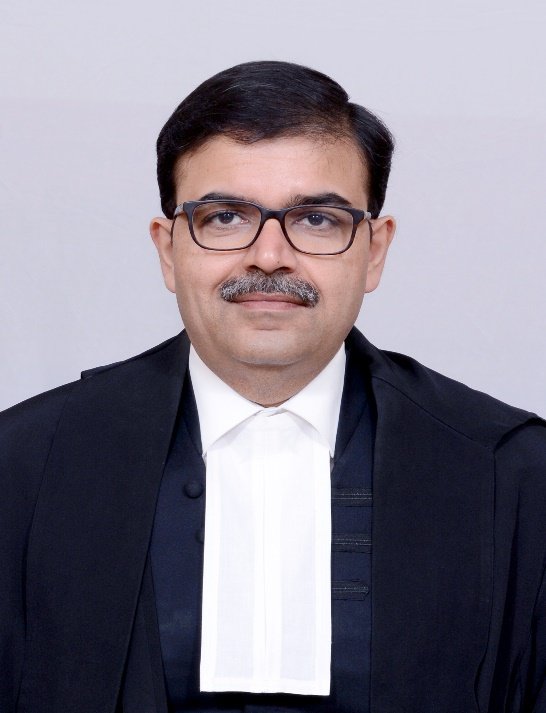
CORAM: HON'BLE MR. JUSTICE ASHWANI KUMAR MISHRA
HON'BLE MR. JUSTICE ROHIT KAPOOR
ARGUED BY :-
Mr. Vikas Chatrath, Sr. Advocate with
Mr. Abhishek Sharma, Advocate,
Mr. Anurag Goyal, Sr. Advocate, with
Mr. Siddharth Sharma, Advocate,
CWP-2340-2023 (O&M) and connected cases.
Page 20 of 46
Mr. Rakesh Nehra, Sr. Advocate, with
Mr. Chirag Kundu, Advocate,
Mr. Sunil K. Nehra, Sr. Advocate with
Mr. Anuj Chauhan, Advocate and
Mr. Rahil Mahajan, Advocate,
Mr. Prateek Singh, Advocate,
Mr. Pankaj Mehta, Advocate,
Mr. Parminder Singh, Advocate,
Mr. Ankit Chahal, Advocate,
Mr. Jaswinder Singh Rana, Advocate for
Mr. S.K. Malik, Advocate,
Mr. Sushil Sheoran, Advocate,
Mr. Jawahar Lal Goyal, Advocate and
Mr. Parth Goyal, Advocate,
Mr. Ankit Chahal, Advocate,
Mr. Rakesh Sobti, Advocate,
Mr. Ankur Kaushik, Advocate,
Mr. G.S. Gopera, Advocate,
Mr. R.N. Lohan, Advocate,
Mr. K.S. Panwar, Advocate,
Mr. Sahil Gupta, Advocate,
Mr. Surender Pal, Advocate,
Mr. Ashok Kaushik, Advocate,
Mr. Gaurav Tyagi, Advocate,
Mr. Garvit Mittal, Advocate,
Mr. Onkar Chauhan, Advocate,
Mr. Samrat Malik, Advocate,
Mr. Harsh Sharma, Advocate,
Mr. Dev Kumar Ahlawat, Advocate,
Mr. Ajay K. Yadav, Advocate,
Mr. B.K. Bagri, Advocate,
Mr. Govind Chauhan, Advocate,
Mr. Sandeep Takhan, Advocate,
Mr. Anil Kumar Sharma, Advocate,
Mr. Lupil Gupta, Advocate,
Ms. Mamta Saini, Advocate,
Mr. Kanwal Goyal, Advocate,
Mr. Sushil Jain, Advocate,
Mr. M.S. Randhawa, Advocate,
Mr. Bhupander Ghanghas, Advocate,
Mr. Arvind Galav, Advocate,
Ms. Alka Sharma, Advocate,
Mr. Karamveer Singh Banyana, Advocate,
Mr. Dharamvir Sharma, Advocate for
Mr. Suresh Kumar Kaushik, Advocate,
CWP-2340-2023 (O&M) and connected cases.
Page 21 of 46
Mr. Anurag Jain, Advocate,
Mr. Sumit Sangwan, Advocate,
Mr. Sajjan Singh, Advocate and
Mr. Raj Kumar Makkad, Advocate
Mr. Anil Kumar Sharma, Advocate,
Mr. Sandeep Kumar, Advocate,
Mr. Amish Sharma, Advocate,
Mr. Ravi Sharma, Advocate,
Mr. Krishan Singh, Advocate,
Mr. Parduman Garg, Advocate,
Mr. Gaurav Gupta, Advocate,
Mr. Bhupender Ghangas, Advocate,
Ms. Bindu Tanwar, Advocate,
Mr. Saurabh Dalal, Advocate,
Mr.Viren Sibal, Advocate,
Mr. B.R. Rana, Advocate,
Mr. Akshay Kumar, Advocate for
Mr. Surender Pal, Advocate,
Mr. Varun Veer Chauhan, Advocate,
Mr. Shiv Charan Bhola, Advocate,
Mr. Naveen Lohiya, Advocate for the petitioner(s).
Mr. Sanjeev Kaushik, Addl. AG, Haryana,
Mr. Hitesh Pandit, Addl. AG, Haryana
Ms. Madhu Dayal, Advocate for PGI in LPA-296-2019.
Mr. Shivam J. Malik, Advocate for respondent No.1 in LPA-296-
2019.
Mr. Rajvir Singh Sihag, Advocate for respondent No.2 in CWP-
14988-2025 and CWP-31484-2025.
ASHWANI KUMAR MISHRA, J.
1.This order shall dispose of the aforementioned bunch of 134 Writ
Petitions and 03 LPAs, as the issue involved in these cases is common.
However, for the sake of brevity, the facts are being extracted from CWP-
2340-2023.
2.The petitioners in this bunch of Writ Petitions are employees of
State of Haryana who possess certificate of disability issued to them by the
competent authority under the provisions of The Persons with Disabilities
CWP-2340-2023 (O&M) and connected cases.
Page 22 of 46
(Equal Opportunities, Protection of Rights and Full Participation) Act, 1995
(for short ‘the Act of 1995’) and The Rights of Persons with Disabilities Act,
2016 (for short the ‘Act of 2016’). They are aggrieved by Rule 143 of Haryana
Civil Service (General) Rules, 2016 (for short, ‘Rules of 2016’) insofar as
benefit of extension in the age of superannuation to 60 years is limited only to
such differently abled employees, whose degree of disability is 70% or above
or those employees who are blind and deny such benefit to other differently
abled persons such as the writ petitioners. Submission is that the Act of 1995
as also the Act of 2016 contemplate a homogeneous class of differently abled
persons for extending protection to them and once certificate of disability is
issued to an employee by the competent authority, it is not open for the State
to create a further class amongst homogeneous group of differently abled
employees and restrict the benefit of extended age of superannuation only to
employees having degree of disability as 70% or above or is blind and thereby
retire the petitioners at the age of 58 years.
3.Rule 143 of the Rules of 2016 provides for retirement on
superannuation of the employees of the State of Haryana, which reads as
under:-
“
143. Retirement on superannuation.— (1) Except as
otherwise provided in these rules, every Government employee
shall retire from service on afternoon of the last day of the month
in which he attains the age of retirement prescribed for him or
for the post held by him in substantive or officiating capacity, as
the case may be. However, a Government employee whose date
of birth is the first of a month shall retire from service on the
afternoon of the last day of the preceding month on attaining the
prescribed age. The age of retirement on superannuation is fifty
CWP-2340-2023 (O&M) and connected cases.
Page 23 of 46
eight years for all groups of employees except the following for
whom the same is sixty years:-
(i) Differently-abled employees having minimum degree
of disability of 70% and above;
(ii) Blind employees;
(iii) Group ‘D’ employees; and
(iv) Judicial Officers.
No Government employee shall be retained in service
after attaining the age of superannuation, except in public
interest and in exceptional circumstances, without the approval
of Council of Ministers.
Note 1.— One eyed employee shall not be treated as blind or
differently-abled person for the purpose of this rule.
Note 2.─ When a Government employee is due to retire on
superannuation from service an office order shall be issued on
7th of the month in which he is going to be retired and a copy
of every such order shall be forwarded immediately to the
Principal Accountant General, Haryana. There is no need to
re-instate a Government employee who is under suspension at
that time.
Note 3.— A Government employee who becomes disabled
while in service shall bring to the notice of his Head of
Department minimum three months before attaining the age of
58 years. He shall be got examined from a Medical Board of
the Post Graduate Institute of Medical and Science, Rohtak to
beheaded by its Director. On receipt of medical report from the
Board, the appointing authority or the Head of Department,
whichever is higher, shall take a final decision to grant or not
to grant the extension in service to such physically disabled
employee.’
4.Rule 143 prescribes the age of superannuation of the employees
of the State of Haryana and also specifies when such an employee shall retire.
For all classes of employees, the age of superannuation is 58 years, excluding
CWP-2340-2023 (O&M) and connected cases.
Page 24 of 46
those who fall in the excepted category i.e. (i) Differently abled employees
having a minimum degree of disability of 70% or above or blindness; (ii)
Blind employees; (iii) Group-D employees and (iv) Judicial Officers. We are
primarily concerned with the excepted category of differently abled
employees having a minimum degree of disability of 70% or above and
blindness. It is the degree of disability as 70% or above and blindness for
restricting the benefit of extended age of superannuation at 60 years which is
the bone of contention, herein.
5.The petitioners are the employees of the State of Haryana and
have been assessed with disability of 40% or above by the District Medical
Board and are issued a certificate of disability under the signature of the Chief
Medical Officer of the District concerned under the Act of 1995 and the Act
of 2016. Their degree of disability is, however, assessed below 70% and
consequently, they are to retire at the age of 58 years instead of 60 years.
These employees contend that the State cannot restrict the benefit of extended
age of superannuation only to a person suffering from a degree of disability of
70% or above and blindness. It is argued that persons suffering with
benchmark disability of 40% or above, constitute a class in themselves for the
purposes of protection in employment by way of affirmative action under the
provisions contained in the Act of 1995 as well as the Act of 2016 and
therefore, it is not open for the State to create further divide within this
homogenous group of persons suffering with disabilities under the Act of
1995 as well as the Act of 2016, by creating a class in itself of employees
suffering with 70% disability or above and blindness.
CWP-2340-2023 (O&M) and connected cases.
Page 25 of 46
6.In order to appreciate the controversy raised herein, we directed
the Chief Secretary of the Government of Haryana to clarify, by filing an
affidavit, the rationale of the extended age of superannuation to employees
suffering from disability of 70% or above and blindness. The Chief Secretary
in his affidavit has clarified that the benefit of extended age of superannuation
was accorded firstly, vide Government instruction dated 02.11.1988, to all
blind employees who entered into service after attaining the age of 30 years.
Subsequently, this benefit was extended to all blind employees vide
instruction dated 18.03.1996. The affidavit further clarifies that no
justification has been given in the said instructions and even the original files,
whereby these instructions were issued, are not traceable being old records.
Subsequently, the Physically Disabled Employees’ Association represented to
the Government of Haryana for the age of retirement to be enhanced to 60
years for all differently abled employees having disability of 70% or above, so
as to bring uniformity among all categories of differently abled employees.
The Government of Haryana, vide instructions dated 31.01.2006, accordingly
extended the age of superannuation from 58 years to 60 years for differently
abled employees having disability of 70% or above.
7.The affidavit of the Chief Secretary further states that the file
relating to the issuance of instructions dated 31.01.2006 is available and its
perusal reveals that in order to bring uniformity among all disabled employees
from Group-A to Group-D, it was decided to extend the benefit of age of
retirement from 58 years to 60 years, subject to recognition of disability of
70% or above.
CWP-2340-2023 (O&M) and connected cases.
Page 26 of 46
8.Record reveals that on 16.02.1996 a circular was issued by the
Punjab Government, increasing the age of retirement from 58 years to 60
years for Government employees who were visually impaired/blind. This
circular came to be challenged by one Bhupinder Singh, an orthopedically
disabled employee, by filing CWP-7233-2010 before this Court, contending
that the measures taken to protect disabled persons cannot be limited to
persons suffering with only one class of disability i.e. visual
impairment/blindness and that the protection ought to be extended to other
classes of disability recognised in law.
9.Learned Single Judge of this Court allowed CWP-7233-2010 vide
judgment dated 25.05.2011 and held that there is no distinction between a
person suffering from one kind of disability or the other. The Court took note
of Section 2(i) of the Act of 1995 which defined disability. Reference was
also made to Section 2(t) of the Act of 1995 which defined person with
disability to mean a person suffering from not less than 40% of any disability,
as certified by a Medical Authority. As per the learned Single Judge all
categories of differently abled persons fell in a similar disadvantageous
position. Accordingly, the Court opined that the circular confining the benefit
of enhancement of retirement age only to blind persons tends to discriminate
between different categories of persons suffering from disability and
consequently, directed the State of Punjab to extend the benefit of enhanced
age of superannuation to other categories of disabled persons.
10.State of Punjab challenged the decision of the learned Single
Bench vide LPA-1719-2011, along with other connected Appeals. These
appeals came to be dismissed by the Division Bench of this Court on
CWP-2340-2023 (O&M) and connected cases.
Page 27 of 46
25.09.2012. The Division Bench observed that with the enactment of the Act
of 1995 persons suffering from all kinds of recognized disability are to be
treated equally and at par. The Act of 1995 was held to place responsibility on
the society to make adjustments for differently abled persons so that they are
able to overcome various practical, psychological and social hurdles created
by their disability. Law placed differently abled persons at par with other
citizens of India in respect of education, vocational training & employment so
as to establish a coherent and comprehensive framework for the promotion of
just and fair policies. The Court, accordingly, held as under:-
“The aforesaid discussion would amply demonstrate that it is not
only the statutory but Constitutional right of persons suffering from
disabilities to get special treatment recognized by law. In this process,
persons suffering from one disability cannot be treated differently from
other kind of disability. All disabled persons falling within the
definition of Section 2(i) of the Disability Act form one class. There
cannot be sub-classification within this same class.”
The appeal of the State was consequently dismissed.
11.Aggrieved by the judgment of the Division Bench, the State of
Punjab filed Civil Appeal No. 8855 of 2014 which too was dismissed on
16.09.2014 by the Hon’ble Supreme Court observing as under:-
“In order to dissuade this Court from accepting the reasoning
expressed in the impugned orders, learned counsel for the appellants
invited our attention to a decision rendered by this Court in Union of
India vs. Devendra Kumar Pant and others, (2009) 14 SCC 546. The
question that arose for consideration in the aforesaid judgment pertains
to promotion. This is not the case here. The benefit granted by the High
Court pertains to the respective employment in which a disabled
employee has been engaged. In that view of the matter, the judgment
CWP-2340-2023 (O&M) and connected cases.
Page 28 of 46
relied upon by the learned counsel for the appellants is not applicable
to the facts and circumstances of this case. Our above view is based on
the fact, that the issue of discrimination adjudicated upon by the High
Cout, relates to employees who were already engaged in government
service. There is no dispute about their ability to discharge their duties,
against the posts on which they were employed. The benefit if extended
to the categories of disabilities for which reservation in employment
has been contemplated under the Disabilities Act would not cause any
administrative inconvenience to the appellants.
For the reasons recorded hereinabove, the instant appeals are
disposed of in the above terms, with no order as to costs.”
12.Accordingly, the benefit of enhanced age was extended to
persons suffering from other disability recognized under the Act of 1995, in
addition to employees suffering from visual impairment/blindness in the State
of Punjab.
13.When the Rules of 2016 came to be formulated by the State of
Haryana, under the proviso to Article 309 of the Constitution of India, the
benefit of extended age of superannuation has been restricted to the differently
abled employees suffering from disability of 70% and above and blindness
only, in the background noted above.
14.It transpires that similar issue arose in the adjoining State of
Himachal Pradesh wherein the benefit of extended age of superannuation was
limited to employees who were blind vide Office Memorandum dated
29.03.2013. The issue was brought before the Central Administrative Tribunal
(for short, ‘CAT’), which allowed the Original Application of the applicant
and extended the benefit of higher age of superannuation to other differently
abled employees in addition to visually impaired/blind employees.
CWP-2340-2023 (O&M) and connected cases.
Page 29 of 46
15.The State of Himachal Pradesh, during the pendency of the
dispute, withdrew the Office Memorandum dated 29.03.2013, vide which
increased the age of 60 years was provided for visually impaired employees
only vide Office Memorandum dated 04.11.2019. The Office Memorandum
dated 04.11.2019 was also put to challenge and the controversy ultimately
came to be resolved by the Hon’ble Supreme Court in Kashmiri Lal Sharma
Vs. Himachal Pradesh State Electricity Board Ltd., 2025 SCC Online SC
1355 wherein following two questions fell for determination before the
Court:-
“I) Whether the benefit of extension of retirement age
for the physically disabled category could be confined to persons
with visual impairment as provided in the OM dated 29.03.2013
or it should be available to persons suffering from all such
disabilities as are specified in the 1995 Act and the 2016 Act.
II) Whether such extension could be withdrawn as
was done by the OM dated 04.11.2019? if yes, then what would
be its effect on the claim of the appellant?
16.The Court relying upon the judgment in Bhupinder Singh
(supra) has held as under:-
14. In our considered view, the decision in Devendra Kumar
Pant (supra) was rightly distinguished in Bhupinder Singh (supra) as
there appeared no intelligible basis to confer benefit of age extension to
one disabled category and deny it to the other when both are specified
in the 1995 Act as well as the 2016 Act. In this view of the matter, if
benefit of extension of retirement age is available to visually impaired
category, the same ought to be available to other categories of
disabilities specified in the 1995 Act as reiterated in the 2016 Act.
. 15. Besides above, the decision in Bhupinder Singh (supra) has
been followed by the High Court of Himachal Pradesh in several of its
decisions (i.e., CWP No.7860 of 2021: The Principal Secretary Health
CWP-2340-2023 (O&M) and connected cases.
Page 30 of 46
and Family Welfare & Anr. V. Surender Kumar Vashisth, decided on
20.12.2022; and CWP No. 1577/ 2018 -H: State of H.P. & others v.
Krishan Chand, decided on November 05, 2018, against which SLP ©
D. No. 18076 of 2019 was dismissed by this Court on 13.09.2019).
16. For the reasons recorded above, it is held that the benefit of
extension of retirement age as provided under the OM dated
29.03.2013 could not have been confined to visually impaired category.
Rather, it should be available to persons suffering from all such
benchmark disabilities as are specified in the 1995 Act and the 2016
Act.”
17.So far as the second question posed for consideration in Kashmiri
Lal Sharma (supra) is concerned, the Court has held as under:-
“21. However, as we have held, while deciding issue I,
that persons suffering from other specified disabilities could
not have been denied the benefit of the OM dated 29.03.2013,
we are of the view that till the date the said OM was
operative, the appellant was entitled to its benefit as,
admittedly, he fell in the category of employee suffering from
such disabilities as are specified in the 1995 Act and the 2016
Act.
22. Accordingly, these appeals are partly allowed. The
impugned judgment and order dated 28.07.2021 of the High
Court dismissing the Writ Petition of the appellant is set
aside. The appellant shall be entitled to the benefit of
continuance in service until 04.11.2019. In consequence, he
shall be entitled to full wages from 01.10.2018 to 04.11.2019,
with all consequential benefits that may impact his pension.”
18.In this bunch, petitioners rely upon the decision in the case of
Bhupinder Singh (supra) rendered in respect of State of Punjab as also the
judgment of Hon’ble the Supreme Court in Kashmiri Lal (supra) rendered in
respect of similar issue arising from the State of Himachal Pradesh to contend
that persons with disability under the Act of 1995 and benchmark disability
CWP-2340-2023 (O&M) and connected cases.
Page 31 of 46
under the Act of 2016 constitute a homogeneous group and any carving of
distinction therein, is impermissible. Argument of the petitioners is that the
State of Haryana cannot limit the benefit of extended age of superannuation
only to persons with disability of 70% or above and blindness. It is also the
petitioners’ case that once certificate of disability is issued in terms of the Act
of 1995 as well as the Act of 2016, by the competent Medical Officer at the
District level, it would not be open for the State to require the retiring
employee to produce a fresh certificate of disability from PGIMS, Rohtak
certifying degree of disability as 70% or above and blindness.
19.Learned counsel for the respondent-State, on the other hand,
argues that the State, as an employer, has the right to regulate the service
conditions of its employees by making appropriate Rules under the proviso to
Article 309 of the Constitution of India and consequently, the condition that
extended age of superannuation would be limited to persons with degree of
disability above 70%, is well within its power. The respondents also argue
that the initial circular to extend the age of superannuation to 60 years for
visually impaired employees since has been extended to other disabled
persons, as such the State retains the right to restrict the extent of disability for
which extended age of superannuation is available. It is also the case of the
respondents that fixing of degree of disability at 70% is based upon the
request made by the Association of Disabled Employees themselves and
consequently, the petitioners are estopped from questioning such decision of
the State.
20.We have heard learned counsel for the parties and perused the
materials on record.
CWP-2340-2023 (O&M) and connected cases.
Page 32 of 46
21.The short question that arises for consideration in this bunch of
the Writ Petitions is as to whether the State of Haryana can restrict the benefit
of extended age of superannuation to persons suffering with disability of 70%
or above and blindness, notwithstanding the provisions contained in the Acts
of 1995 and 2016 specifying the degree of disability for grant of protection at
40% or above? Additionally, the issue raised is as to whether the State can
require obtaining of disability certificate from the Medical Board of PGIMS,
Rohtak evidencing degree of disability to be 70% or above and blindness,
alone, for extending the age of superannuation from 58 years to 60 years?
22.As already noticed, the petitioners have prayed for quashing of
Rule 143 of the Rules of 2016, to the extent that the degree of disability for
extended age of superannuation is fixed at 70% or above and blindness, in
place of 40% or above under the Act of 1995 and the Act of 2016. Note 3
appended to Rule 143 which requires the employee to be examined by the
Medical Board of the PGIMS, Rohtak for determination of disability is also
impugned insofar as the disability certificate issued by the competent
authority under the Act of 1995 and the Act of 2016 is not relied upon.
23.In order to ameliorate the condition of differently abled persons
the Act of 1995 was enacted to give effect to the proclamation on the full
participation and equality of the people with disabilities in the Asian and
Pacific Region adopted at the Economic and Social Commission for Asia and
Pacific held at Beijing, China from 1
st
to 5
th
December, 1992. India being a
signatory to the proclamation was required to enact necessary law for the
purpose. Section 2(i) of the Act of 1995 defined ‘disability’ to include
disability of seven distinct kinds i.e. (i) Blindness; (ii) Low Vision; (iii)
CWP-2340-2023 (O&M) and connected cases.
Page 33 of 46
Leprosy-cured; (iv) Hearing impairment; (v) Locomotor Disability; (vi)
Mental Retardation and (vii) Mental Illness while Section 2(t) of the Act of
1995 defined ‘persons with disability’ to mean a person suffering from not
less than forty percent of any disability as certified by a medical authority.
Section 32 of the Act of 1995 provided for the identification of posts which
can be reserved for persons with disabilities. Section 33 of the Act then
provided for reservation of posts by the appropriate Government of not less
than 3%, consisting of 1% each for the persons suffering from blindness or
low vision; hearing impairment; locomotor disability or cerebral palsy in the
post identified for each disability.
24.Act of 1995 is substituted by the Act of 2016 which defines
“Person with benchmark disability” under Section 2(r) to mean as under:-
2(r) “person with benchmark disability”
means a person with
not less than forty per cent of a specified disability where
specified disability has not been defined in measurable terms
and includes a person with disability where specified disability
has been defined in measurable terms, as certified by the
certifying authority;
25.The Act of 2016 also defined ‘person with disability ’under
Section 2(s) and person with disability having high support needs under
Section 2(t). Provisions in the Act of 2016 promotes the cause of not just the
persons suffering with benchmark disability defined in Section 2(r) but are
comprehensive to include other concerns defined under Section 2(s) and 2(t)
of the Act.
26.Chapter VI of the Act of 2016 contains special provisions for
persons with benchmark disabilities. Section 31 provides for free education to
CWP-2340-2023 (O&M) and connected cases.
Page 34 of 46
children with benchmark disability while Section 32 provides for reservation
in admission in higher educational institutions. Section 33 provides for
identification of posts for reservation in employment. Section 34 then
provides for reservation in the matter of employment for persons suffering
from benchmark disability. Section 35 to 37 contains provisions to incentivize
employers in private sector; creation of special employment exchange and
special schemes and developmental programmes.
27.The provisions contained in the Act of 2016 provides for
affirmative action to secure protection in the matter of employment for
differently abled persons suffering with benchmark disability. No provision in
the Act of 2016 exists permitting creation of any separate class of differently
abled persons with higher degree of disability of 70% or above or blindness
alone in the matter of grant of benefit in employment.
28.When this bunch of cases were heard on 15.09.2025 and the
statutory scheme was highlighted on behalf of the petitioners to assail the
impugned provisions contained in the Rules of 2016, we proceeded to pass
following orders:-
“Before we proceed further in the matter, the Court
would like to understand as to what is the rationale or
justification for fixing a higher age of superannuation for
those who suffer from benchmark disability of 70% or more
and are blind.
The provisions of the Disabilities Act of 2016 prima
facie aims to only protect disabled persons, and the policy of
the State for grant of additional benefits to them in the form of
higher age of superannuation needs to be clarified.
In these circumstances, we call upon the Chief
Secretary of State of Haryana to file his affidavit clarifying
CWP-2340-2023 (O&M) and connected cases.
Page 35 of 46
the position in the light of observations made herein within
two weeks.
Since, in this bunch of petitions, interim orders have
already been passed in favour of most of the employees, who
are suffering from benchmark disability of 40% and above to
continue till the age of 60 years, we provide that all the
employees covered by this bunch would be allowed to
continue till the age of 60 years where their benchmark
disability is 40% or above. In cases, where the disability of
40% or above is disputed by the State, relying upon reports of
the Board constituted either by PGI Rohtak or PGI
Chandigarh, such persons shall not be entitled to any
continuation in service beyond the age of 58 years, but their
rights would remain subject to outcome of these petitions.
Adjourned to 30.09.2025.”
29.In response to the above observation the Chief Secretary, State of
Haryana has filed his personal affidavit stating as under:-
“3. That with regard to the rationale or justification for
fixing a higher age of superannuation for those who suffer
from benchmark disability of 70% or more it is most
respectfully submitted that to begin with, the benefit of
enhanced retirement age was accorded vide instructions
dated 02.11.1988 to only those blind employees who enters
into service after attaining the age of 30 years. Further, this
benefit was extended to all blind employees vide instructions
dated18.03.1996. However, no justification has been given in
the said instructions and even the original files whereby these
instructions were issued are not traceable being old record.
Subsequently, Physically Disabled Employees Association
represented to the Government of Haryana, requesting that
their retirement age be enhanced to 60 years for all physically
disabled employees having disability of 70% or above, so as
to bring uniformity among all categories of disabled
employees. The Government of Haryana vide instructions
CWP-2340-2023 (O&M) and connected cases.
Page 36 of 46
dated 31.01.2006 extended the age of superannuation of all
Physically Handicapped Employees from 58 years to 60 years
having disability of 70% or above. It is pertinent to mention
here that the file relating to issuance of the instructions dated
31.01.2006 is available in record and a perusal of
notings/note sheets reveal that in order to bring uniformity
among all disabled employees from Group-A to Group-D, it
was decided to extend the benefit of age of retirement from 58
years to 60 years subject to the condition of disability of 70%
or above. The said benefit of raising the age of
superannuation for blind employees and Group-IV Employees
was also incorporated in Rule 3.26(a) of the Punjab Civil
Services Rules, Volume-1, Part-I which provides that Judicial
Officers, Group-IV and blind employees of Haryana
Government shall retire at the age of 60 years.
4. That it is most respectfully submitted that in exercise of
the powers conferred by the proviso to article 309 of the
Constitution of India, the Governor of Haryana has granted
approval to the Haryana Civil Services (General) Rules, 2016
in place of Punjab Civil Service Rules (ibid). After following
the due procedure of law, the aforementioned rules have been
issued by the Finance Department of the Government of
Haryana.
5. That a number of Civil Writ Petitions have been filed
before this Hon'ble High Court challenging Rule 143(1)(i)
and Note 3 of the Haryana Civil Services (General) Rules,
2016. In order to avoid such litigation, Finance Department
being the competent authority has submitted the proposal to
reconsider the matter. For the kind perusal of this Hon'ble
Court, the relevant portion of the said rules is reproduced
below:-
"Except as otherwise provided in these rules, every
Government employee shall retire from service on
afternoon of the last day of the month in which he
attains the age of retirement prescribed for him or for
CWP-2340-2023 (O&M) and connected cases.
Page 37 of 46
the post held by him in substantive or officiating
capacity, as the case may be. However, a Government
employee whose date of birth is the first of a month
shall retire from service on the afternoon of the last
day of the preceding month on attaining the prescribed
age. The age of retirement on superannuation is fifty
eight years for all groups of employees except the
following for whom the same is sixty years:-
(i) Disabled employees having minimum degreeof
disability of 70% and above.
XXXXXXXXXXXXXX
Note 3.- A Government employee who becomes disabled
while in service shall bring to the notice of his Head of
Department minimum three months before attaining the age
of 58 years. He shall be got examined from a Medical Board
of the Post Graduate Institute of Medical and Science, Rohtak
to be headed by its Director. On receipt of medical report
from the Board, the appointing authority or the Head of
Department, whichever is higher, shall take a final decision to
grant or not to grant the extension in service to such
physically disabled employee."
6. That the aforesaid proposal of the Finance Department
has been approved in principle by the State Government and
the matter is being placed before the Council of Ministers for
their consideration.
7. That it is respectfully submitted that in one of the CWP
No. 14988 of 2025, this Hon'ble Court vide interim order
dated 23.05.2025 permitted the employees of the Haryana
State Cooperative Apex Bank Ltd. who are physically
disabled to continue on their posts beyond the age of 58 years
till the age of 60 years. The said interim order was challenged
by the Haryana State Cooperative Apex Bank Ltd. before the
Apex Court by filing SLP(C) No. 24294 of 2025 and the Apex
Court vide order dated 14.10.2025 set-aside the said order by
observing that if the concerned employees ultimately succeed
CWP-2340-2023 (O&M) and connected cases.
Page 38 of 46
in their writ petition they would be entitled to all
consequential benefits for the period in dispute, even without
having actually worked during that time. On the contrary, if
the writ petition fails there cannot be any turning back of the
clock for the period during which respondent No. 1 would
have continued in service without legal sanction. A true Copy
of the order dated 14.10.2025 passed by the Hon'ble Apex
Court is annexed herewith as Annexure-R/1. Therefore, it is
humbly prayed that all the interim orders in connected
petitions wherein this Hon'ble Court has allowed the
petitioners to continue in service beyond the age of 58 years
till the age of 60 years may kindly be vacated.
In view of the above mentioned facts and
circumstances, it is respectfully prayed that the present status
report by way of affidavit may kindly be accepted and place
on record in compliance of order dated 15.09.2025 in the
interest of justice.
”
30.It transpires that the genesis of the policy for extending the age of
superannuation was the instruction dated 02.11.1988, which limited the
benefit of extended age of superannuation to the employees with no
vision/blindness who entered in service after attaining the age of 30 years.
This was further extended to all employees with no vision/blindness vide
instruction dated 18.03.1996. Such benefit of enhanced age of superannuation
for blind employees and Group-IV employees was also incorporated in Rule
3.26(a) of the Punjab Civil Service Rules, Volume-I, Part-I, which provides
that Judicial Officers, Group-IV and blind employees of Haryana Government
shall retire at the age of 60 years. The affidavit of Chief Secretary further
states that in exercise of power conferred by the proviso to Article 309 of the
Constitution of India, the Rules of 2016 have been framed substituting Punjab
Civil Service Rules (ibid).
CWP-2340-2023 (O&M) and connected cases.
Page 39 of 46
31.So far as the policy in the State of Haryana for extending the age of
superannuation for persons suffering with blindness or differently abled employees
having minimum degree of disability of 70% and above and blindness is concerned,
the only explanation offered by the State of Haryana is the existence of previous
instructions issued on 02.11.1988 and 18.03.1996. These instructions were initially
limited to persons suffering from blindness who entered in service after the age of
30 years and later to all employees suffering from blindness. On this aspect, similar
controversy raised in respect of State of Punjab stands authoritatively settled in the
case of Bhupinder Singh (supra). The ratio laid down in Bhupinder Singh’s case
(supra) is fully applicable in respect of the State of Haryana, as well. Accordingly,
disabled employees suffering from blindness cannot be treated as a separate and
distinct class from other disabled employees having disability of 40% or
above/benchmark disability will also be entitled to the benefit of extended age of
superannuation.
32.What appears from the affidavit of the Chief Secretary is that the
rationale for extending the age of superannuation for blind employees, vide
instructions dated 02.11.1988 and 18.03.1996 does not exist on record. The
only basis for the State policy in restricting the benefit of enhanced age of
superannuation to differently abled employees having minimum degree of
disability of 70% and above is the alleged representation received from the
Physically Disabled Employees’ Association requesting that their retirement
age be enhanced to 60 years for all physically disabled employees having
disability of 70% or above so as to bring uniformity among all categories of
differently abled employees.
33.Apart from the representation of the Physically Disabled
Employees’ Association making a request for enhancement of retirement age
CWP-2340-2023 (O&M) and connected cases.
Page 40 of 46
for persons suffering with 70% disability or above, no other material or
justification has been placed on record on behalf of the State Government
justifying extended age of superannuation in terms of Rule 143 of the Rules of
2016. The rationale for restricting the benefit only for the employees having
disability of 70% or above or blindness for extending the age of
superannuation to 60 years while disability/benchmark disability under the
Act of 1995 and 2016 remains at 40% and above is not explained. It is,
therefore, apparent that the decision of the State of Haryana to restrict the
benefit of enhanced age of retirement only to the persons above 70%
disability is not based on any intelligible differentia, nor any object is sought
to be achieved. The impugned decision is apparently based only on the ground
that such prayer was made in the representation of the Association of
differently abled employees.
34.We fail to understand as to how the State Government could
come out with a Policy restricting benefit of extended age of superannuation
only for employees suffering from disability of 70% or above or of blindness
when the applicable law in the form of Act of 1995 and the Act of 2016
specifies disability of 40% or above/benchmark disability for grant of
protection to differently abled persons. Mere making of representation by the
Association of differently abled employees cannot furnish a valid basis for the
creation of a distinct class of differently abled employees in the matter of
extending the age of superannuation.
35.No conscious decision appears to have been taken by the State of
Haryana while restricting the benefit of extended age of superannuation to the
persons with disability of 70% or above or of blindness. No material or basis
CWP-2340-2023 (O&M) and connected cases.
Page 41 of 46
is otherwise shown for extending the age of superannuation for persons
suffering with benchmark disability.
36.Employees suffering with benchmark disability/disability above
40% have been held to constitute a homogeneous class in themselves for the
purposes of affirmative action by the State for protection in employment by
virtue of the provisions contained in the Act of 1995 and the Act of 2016. This
position in law has been affirmed by this Court in Bhupinder Singh’s case
(supra) which has received ringing endorsement from the Supreme Court in
Civil Appeal No.8855 of 2014, State of Punjab and Others v. Bhupinder
Singh and in Kashmiri Lal Sharma v. Himachal Pradesh State Electricity
Board and Another, 2025 SCC OnLine SC 1355.
37.Moreover, in Deaf Employees Welfare Association and Another
Vs. Union of India and Others; (2014) 3 SCC 173, the Supreme Court has
emphasized that once disability of 40% has been certified by the medical
Doctor of the kind specified in Section 2(i) of the Act of 1995 then such
person is entitled to the benefits of all the schemes and benefits provided by
the Government and there can be no further discrimination among the persons
with varied or different types of disabilities. The observation of the Court
contained in paragraphs No.23 and 26 are reproduced hereinafter:-
23.The Disabilities Act, as already indicated, states that the
“persons with disabilities” means persons suffering from not
less than 40% of “any disability”, as certified by the medical
doctor. When a person is having any of the disabilities
mentioned in Section 2(i) and is so certified by the Medical
Doctor, he is entitled to the benefits of all the Schemes and
CWP-2340-2023 (O&M) and connected cases.
Page 42 of 46
benefits provided by the Government and there can be no
further discrimination among the persons with varied or
different types of disabilities. In the matter of affirmative
action, in our view, there cannot be further discrimination
between a person with disability of ‘blindness’ and a person
with disability of ‘hearing impairment’. Such discrimination
has not been envisaged under the Disabilities Act. All the
categories of persons mentioned in Section 2(i) have their own
disadvantages, peculiar to themselves. A ‘visually impaired
person’ cannot be equated with ‘hearing impaired person’ and
vice versa. Both have different type and mode of disability. For
a blind person, visibility may be poor, sometimes zero per cent,
but would be able to hear and understand what is going on in
and around him. At the same time, a deaf and dumb person could
see, but would not be able to talk and hear what is going on
around him. The nature of disability of those categories of
persons may not be same, but the disabilities they suffer are to
be addressed with care and compassion.
*****
26The Disabilities Act deals with a well defined class i.e.
“persons with disabilities” mentioned in Section 2(i). The nature
of disability may differ from person to person included in Section
2(i), but all such persons have been categorized as a group of
“persons with disabilities” under Section 2(i) read with Section
2(t) of the Act. In our view, the differentia sought to be
canvassed by the Ministry of Finance has no rational relation to
the object sought to be achieved by the Disabilities Act, which
CWP-2340-2023 (O&M) and connected cases.
Page 43 of 46
envisages to give equal opportunities, protection and rights to
the “persons with disabilities”. Equality of law and equal
protection of law be afforded to all the “persons with
disabilities” while participating in Governmental functions.
Transport allowance is given to Government employees since
many of the Government employees may not be residing in and
around their places of work. Sometimes, they have to commute
long distances to and fro. There has been an unprecedented
increase in the commutation time between the residence and
place of work which effects the work environment in offices
adversely as the employee spend much of their energy in
commuting and, in the case of persons with disabilities, the
situation is more grave.”
38.There is unanimity in the judicial opinion expressed by the
Supreme Court as well as the opinion expressed by this Court and the High
Court of Himachal Pradesh that persons with disability of 40% or above
persons with benchmark disability constitute a class in themselves and further
creation of a class, in such homogenous group, would be arbitrary unless the
classification is based on any intelligible differentia and has a valid object to
achieve.
39.Persons suffering with 40% and above disability, under the Act of
1995 and the Act of 2016 constitute a homogenous group and any further
classification therein, limiting the affirmative action in the form of extended
age of superannuation would be violative of the provisions of the Acts of 1995
and 2016. Since such classification is otherwise not found to be based on any
CWP-2340-2023 (O&M) and connected cases.
Page 44 of 46
intelligible differentia nor any valid object is sought to be achieved by such
classification, justifying limitation of benefit of extended age of
superannuation for the employees suffering with disability of 70% or above or
blindness, the classification is held to be arbitrary and violative of Article 14
of the Constitution of India.
40.We, therefore, find substance in the petitioners’ grievance that
Rule 143 of the Rules of 2016 insofar as it limits the benefit of extended age
of superannuation to persons suffering with disability of 70% or more or
blindness contravenes Article 14 of the Constitution of India as well as the
provisions of the Act of 2016 and consequently is liable to be declared ultra
vires.
41.In order to save Rule 143 from the vice of hostile discrimination,
for the reasons recorded above, we read down Rule 143 of the Rules of 2016
and hold that all differently abled employees of the State of Haryana, who are
issued the certificate of disability under the Act of 1995 and the Act of 2016
would be entitled to the benefit of enhanced age of superannuation of 60
years.
42.Note 3 appended to Rule 143 was intended to subserve the object
of Rule 143 of the Rules of 2016 insofar as the benefit of extended age of
superannuation was restricted only to differently abled employees suffering
from disability of 70% or above or to employees who have no vision/blind.
Once we hold that such classification/restriction is ultra vires, no purpose
would be served in allowing Note 3 to continue in the Rule Book.
Accordingly, Note 3 appended to the Rule 143 of the Rules of 2016 is
quashed. The determination of disability since is regulated by the Act of 1995
CWP-2340-2023 (O&M) and connected cases.
Page 45 of 46
as well as Act of 2016 therefore, the determination of degree of disability as
per the applicable provisions in law would regulate the extension in the age of
superannuation for the differently abled employees having the required
disability as per law.
43.Before parting, we may observe that the only conscious decision
of State to extend the age of superannuation for differently abled persons is
contained in the instruction dated 02.11.1988. By this instruction, the age of
superannuation was enhanced to 60 years for visually impaired/blind
employees who entered in service after attaining the age of 30 years. The
rationale apparently was to secure minimum tenure for employees suffering
with blindness. The next decision in this regard is contained in instruction
dated 18.03.1996 which is in the nature of modification of previous decision
dated 02.11.1988, altering the clause insofar as it limited the benefit to those
blind employees who entered in service after 30 years of age. The Act of 1995
was not in existence and rights for disabled employees had not crystallized
when the earliest decision dated 02.11.1988 was taken. We have taken note of
the scheme of the Act of 1995 and the Act of 2016 which protects persons
from discrimination and provides for affirmative action in matters of
employment on account of their benchmark disability/disability above 40%.
Our attention has not been invited to any provision in the applicable statute
which provides for affirmative action in the nature of extended tenure of
service for persons suffering from such disability. Our attention has also not
been invited to any conscious decision taken by the State of Haryana to
provide for extended age of superannuation for persons suffering with
disability under the Act of 1995 and the Act of 2016. It is, otherwise, well-
CWP-2340-2023 (O&M) and connected cases.
Page 46 of 46
settled by the Hon’ble Supreme Court in Kashmiri Lal Sharma (supra) that
State has the power to fix the age of superannuation of its employee and
consequently, the withdrawal of previous circular, extending such extended
age of superannuation for employees suffering with blindness alone, has been
affirmed. In such circumstances, while deciding these matter(s), we deem it
appropriate to clarify that it shall be open for the State of Haryana to take a
conscious decision whether or not to allow the extended age of
superannuation for persons suffering with disability, in light of the provisions
contained in the Act of 1995 as also the Act of 2016.
44.With these observations, all the cases are disposed of.
45.Pending applications, if any, also stand disposed of.
46.Photocopy of this order be placed on the files of other connected
cases. However, no order is passed as to costs.
[ASHWANI KUMAR MISHRA]
JUDGE
[ROHIT KAPOOR]
JUDGE
NOVEMBER 06, 2025
Ess Kay/Rahul Joshi/Rajesh
Whether speaking / reasoned : Yes / No
Whether Reportable : Yes / No

 Login with google
Legal Notes
Add a Note....