
As per case facts, the appellant-wife filed for maintenance under Section 125 CrPC. The respondent-husband argued their marriage was void due to a prior subsisting marriage. The Magistrate initially granted ...

No Acts & Articles mentioned in this case
http://JUDIS.NIC.IN SUPREME COURT OF INDIA Page 1 of 4
PETITIONER:
K.VIMAL
Vs.
RESPONDENT:
K.VEERASWAMY
DATE OF JUDGMENT20/03/1991
BENCH:
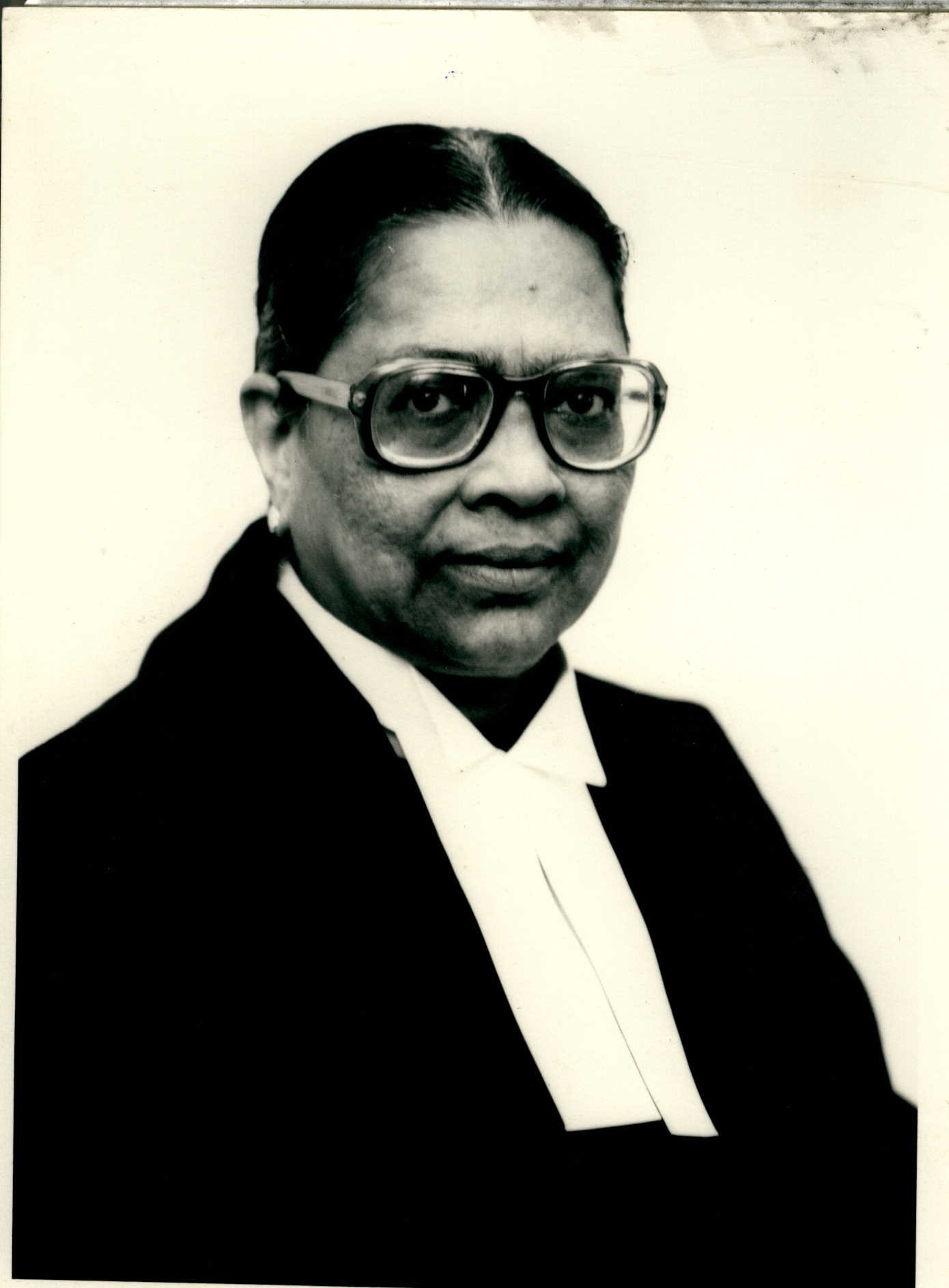
FATHIMA BEEVI, M. (J)
BENCH:
FATHIMA BEEVI, M. (J)
AHMADI, A.M. (J)
RAMASWAMI, V. (J) II
CITATION:
1991 SCR (1) 904 1991 SCC (2) 375
JT 1991 (2) 182 1991 SCALE (1)495
ACT:
Code of Criminal Procedure, 1973: section 125-scope and
object of- Wife's application for maintenance-Husband's plea
of marriage being void on account of subsistence of his
earliar marriage-HeldCourt should insist on strick proof of
earliar marriage- Insurance nomination and entry in Indenty
Card are not conclusive of substance of earliar marriage.
HEADNOTE:
The appellant-wife filed an application for maintenance
against respondent-husband under section 125 of the Code of
Criminal procedure, 1973. The respondent contested the
application on the ground that appellant was not his legally
wedded wife since their marriage was void on account of
subsistence of respondent's earlier marriage. The Magistrate
awarded a monthly maintenance of Rs. 400 to the wife by
holding that the respondent has not proved his first
marrige. The order of the magistrate was set aside by the
High Court in revision accepting the respodent's plea that
his first marriage was subsisting when the respodent married
the appellant.
In appeal to this court it was contented on behalf of
the respodent that the High Court had no material before it
for arriving at the finding that there was an earlier valid
marriage on the date respondent married the appellant.
Allowing the appeal, this Court.
HELD:1 Section 125 of the code of Criminal Procedure is
meant to achieve a social purpose.The object is to prevent
vagrancy and destitution. it provides a speedy remedy for
the supply of food,clothing and shelter to the deserted
wife. The term "wife" includes a woman who has been divorced
by a husband or who has obtained a divorce from her husband
and has not remarried.The woman not having the legal status
of a wife is thus brought within the inclusive definition of
the term "Wife" consistent with the objective. However,under
the law a second wife whose marriage is void on account of
the survival of the first marriage is
905
not a legally wedded wife and is,therefore,not entitled to
maintenance under this provision. Therefore, the law which
disentitles the second wife from receiving maintenance from
http://JUDIS.NIC.IN SUPREME COURT OF INDIA Page 2 of 4
her husband for the sole reason that the marriage ceremony
though performed in the customary from lacks legal sanctity
can be applied only when the husband satisfactorily proves
the subsistence of a legal and valid marriage particularly
when the provision in the Code is ameasure of social justice
intended to protect women and children. Accordingly, when an
attempt is made by the husband to negative the claim of the
neglected wife depicting her as a kept-mistress on the
specious plea that he was already married, the court should
insist on strict proof of the earlier marriage. [907D-H]
2. The respondent has not discharged the heavy burden
by tendering strict proof of the fact in issue. He clearly
admitted his marriage with the appellant acording to Hindu
rites. But there is no clear admission of his earlier
marriage to dispense with the proof of subsisting valid
first marriage when the second marriage was solemnised. In
the absence of such an admission, the statement that the
respondent was living with another woman as husband and wife
cannot persuade was court to hold that the marriage duly
solemnised between the appellant and the respondent suffers
from any legal infirmity. [906C-H]
3. The nomination in the Insurance Policy and Entry in
the Identity Card, referred to by the High Court are not
conclusive of the subsistence of a valid marriage between
the respondent and his earlier wife. The High Court has
failed to consider the standard of proof required and has
proceeded on no evidence whatsoever in determining the
question against the appeallant. Accordingly the order of
the High Court is set aside and the order of the Magistrate
is restored. [907B-C]
JUDGMENT:
CRIMINAL APPELLATE JURISDICTION: Criminal Appeal No.
664 of 1990.
From the Judgement and Order dated 13.3.1990 of the
Andhra Pradesh High Court in Criminal Revision Case No. 532
of 1989.
K. Ramkumar for the Appellant.
B. Kanta Rao for the Respondent.
The Judgment of the Court was delivered by
FATIMA BEEVI, J. The appellant and the respondent got
906
married according to Hindu rites and customs on June 30,
1983. They lived together until the appellant started
complaining of desertion and ill-treatment. She moved the
court for maintenance by an application under Section
125 of the Code of Criminal Procedure. Though the
claim was resisted on the ground that the appellant is not
the legally wedded wife of the respondent who had
earlier married one Veeramma, the learned magistrate
awarded a monthly maintenance of Rs.400 holding that the
first marriage has not been proved. The order was,
however, set-aside by the High Court in revision
accepting the plea that the first marriage was subsisting
when the respondent married the appellant.
We have granted special leave to appeal against the
order of the High Court. We have been taken through
the pleadings and the evidence by the learned counsel
for the appellant for the purpose of satisfying that
the High Court had no material before it for arriving at the
finding that there was a valid marriage between Veeramma
and the respondent on the day the respondent married
the appellant. It is pointed out that the appellant had
http://JUDIS.NIC.IN SUPREME COURT OF INDIA Page 3 of 4
nowhere admitted the subsistence of a valid marriage
which would render her marriage illegal. The appellant
stated in her petition that one year after her marriage,
she came to know that respondent married Veeramma and
lived with her in Hyderabad and soon thereafter
Veeramma started living along with the appellant and
the respondent and, thus extra-marital relationship of
the respondent with Veeramma has disrupted her family
life. In fact, the respondent had in his counter flatly
denied all the averments made by the appellant in the
petition and maintained that a marriage ceremony was
performed between Veeramma and the respondent
when both were children and the appellant is only his
kept-mistress. The respondent has, however, clearly
admitted that he married the appellant according to
Hindu rites. When that marriage is repudiated as void
on account of the subsistence of an earlier
marriage, the respondent was bound to prove that he
married Veeramma in the customary form and the
marriage was subsisting in the year 1983 when the
appellant was married to him. As rightly pointed out
by the learned counsel for the appellant, there is no
clear admission of an earlier marriage between the
respondent and Veeramma to dispense with the proof of
subsisting valid first marriage when the second
marriage was solemnised. In the absence of such an
admission, the statement that the respondent is living
with another woman as husband and wife cannot persuade
the court to hold that the marriage duly solemnised
between the appellant and the respondent suffers from any
legal infirmity. The High Court has referred to Ex. R-12
and R- 13 relied on
907
by the respondent to prove that he was already married.
Ex. R- 12 is the insurance policy issued On 5. 12.
1975 where the name of the nominee is shown as
Veeramma indicating that she is the wife of the
respondent. Ex. R- 13 is the family identity card
issued by the Road Transport Corporation where the
respondent was working in 1977. These documents are
issued on the basis of what the respondent himself had
stated. The entries are not conclusive of the
subsistence a valid marriage between the respondent
and Veeramma. If they had been living together as
husband and wife even without performing a ceremonial
marriage, and the respondent represented that Veeramma
was his wife, it is possible that such entries would come
into existence. Therefore, these documents by
themselves cannot prove any marriage or the subsistence
of a valid marriage when the admitted marriage with the
appellant was solemnised.
Section 125 of the Code of Criminal Procedure
is meant to achieve a social purpose. The object
is to prevent vagrancy and destitution. It provides
a speedy remedy for the supply of food, clothing and
shelter to the deserted wife. When an attempt is made
by the husband to negative the claim of the neglected
wife depicting her as a kept-mistress on the specious
plea that he was already married, the court would
insist on strict proof of the earlier marriage. The term
wife' in Section 15 of the Code of Criminal
Procedure includes a woman who has been divorced by
a husband or who has obtained a divorce from her
husband and has not remarried. The woman not
having the legal status of a wife is thus brought
http://JUDIS.NIC.IN SUPREME COURT OF INDIA Page 4 of 4
within the inclusive definition of the term 'wife'
consistent with the objective. However, under the law a
second wife whose marriage is void an account of the
survival of the first marriage is not a legally wedded wife
and is, therefore, not entitled to maintenance under this
provision. Therefore, the law which disentitles the second
wife from receiving maintenance from her husband under
Section 125, Cr. P.C., for the sole reason that the
marriage ceremony though performed in the customary
form lacks legal sanctity can be applied only when
the husband satisfactorily proves the subsistence of a
legal and valid marriage particularly when the
provision in the Code is a measure of social justice
intended to protect women and children. We are unable to
find that the respondent herein has discharged the
heavy burden by tendering strict proof of the fact in
issue. The High Court failed to consider the standard
of proof required and has proceeded on no evidence
whatsoever in determining the question against the
appellant. We are, therefore, unable to agree that the
appellant is not entitled to maintenance.
908
We find that there is no dispute that the appellant
was married to the respondent in the customary form.
They lived together as husband and wife and of late the
respondent had neglected to maintain her. The
respondent has no case that the appellant has means
to maintain herself or that the amount she has claimed
is not commensurate with the means of the respondent.
The learned magistrate was, therefore, justified in
awarding an amount of Rs.400 per mensem towards the
maintenance of the appellant. That order of the
magistrate has to be restored.
In the result, we allow the appeal, set-aside the order
of the High Court and restore that of the trial court.
T. N. A. Appeal allowed.
909

 Login with google
Legal Notes
Add a Note....