
As per case facts, the State of Maharashtra denied benefits to Scheduled Castes and Tribes who migrated from other states, based on government circulars that restricted benefits to those who ...
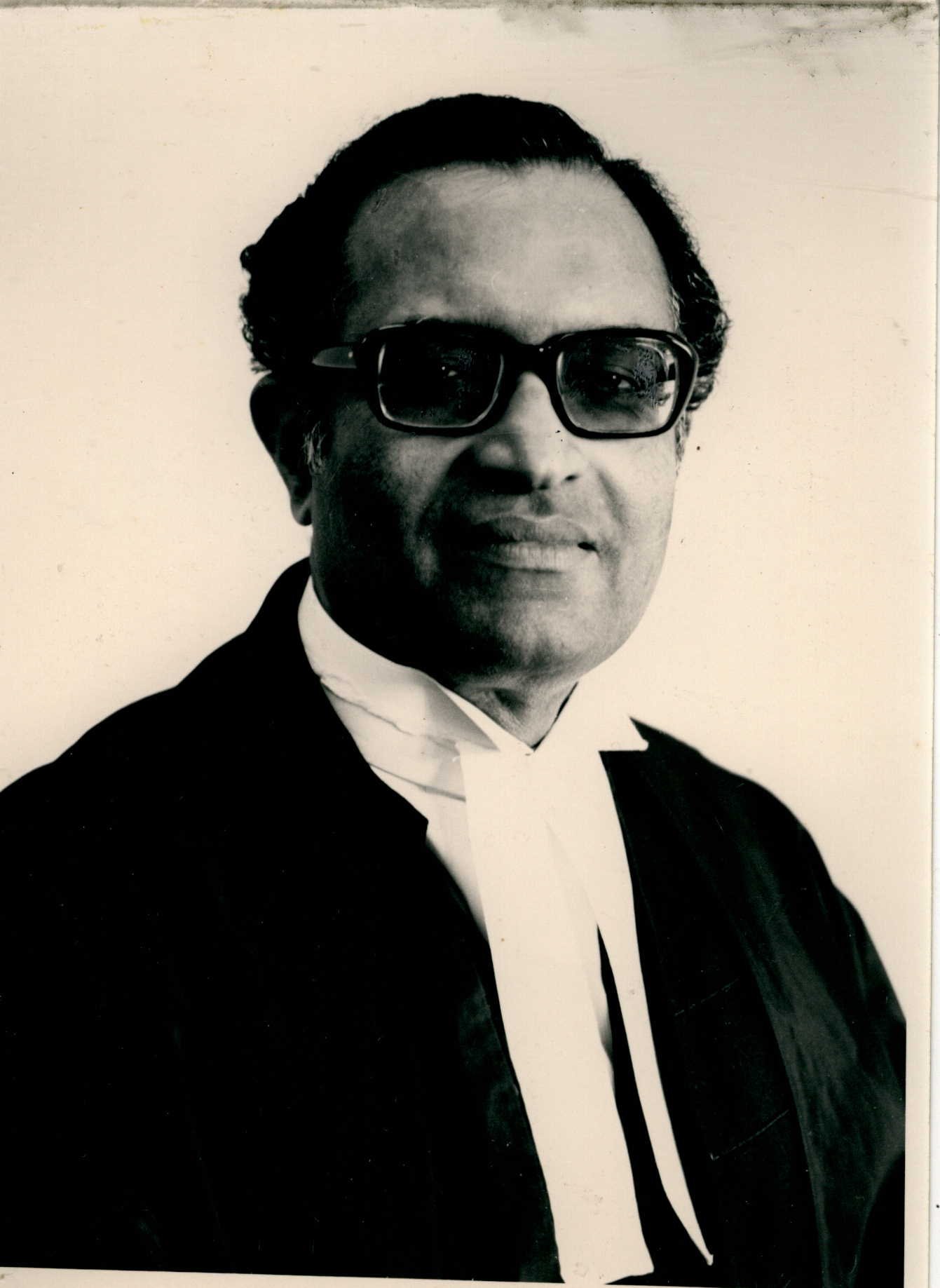
The Supreme Court's ruling in Action Committee on Issue of Caste Certificate to Scheduled Castes and Scheduled Tribes in the State of Maharashtra v. Union of India stands as a landmark judgment available on CaseOn, fundamentally shaping the landscape of reservation policies in India. This pivotal case addresses the complex interplay between Scheduled Caste/Tribe migration and the subsequent entitlement to caste certificate benefits. The court delivered a definitive clarification on whether the constitutionally protected status of an individual from a Scheduled Caste or Scheduled Tribe is portable across state lines, a question with profound implications for millions.
The case was initiated as a Public Interest Litigation (PIL) by the Action Committee, representing members of Scheduled Castes (SCs) and Scheduled Tribes (STs) who had migrated from their home states to Maharashtra. The State of Maharashtra, based on circulars from the Government of India, denied these migrated individuals the benefits and privileges—such as reservations in education and employment—that were available to the SCs and STs native to Maharashtra. The petitioners argued that this denial was discriminatory and violated their fundamental rights under Articles 14, 15, 16, and 19 of the Constitution. They contended that once a person is recognized as belonging to an SC or ST, that status should be applicable throughout India, especially if their community is listed as an SC/ST in both their state of origin and the state they migrated to.
The central legal question before the Supreme Court was: Can a person belonging to a caste or tribe specified as a Scheduled Caste or Scheduled Tribe in their state of origin (State A) be entitled to claim the reservation benefits and other privileges meant for SCs/STs in another state (State B) to which they have migrated?
The court's decision hinged on the interpretation of two key constitutional provisions:
The court also heavily relied on the binding precedent set by a prior Constitution Bench in the case of Marri Chandra Shekhar Rao v. Dean Seth G.S. Medical College (1990), which had previously addressed a similar issue.
The Supreme Court conducted a meticulous analysis of the constitutional framework for affirmative action. The petitioners argued that the phrase “for the purposes of this Constitution” in Articles 341 and 342 implied that once a community is identified as an SC/ST, it should be recognized as such for all constitutional purposes nationwide. However, the court rejected this broad interpretation.
The Bench emphasized the significance of the phrase “in relation to that State.” It reasoned that the Constitution makers deliberately made the identification of SCs and STs state-specific. The President is required to consult the Governor of the particular state before issuing a notification. This indicates that the socio-economic conditions, historical disadvantages, and the degree of backwardness of a community are assessed within the specific geographical and social context of that state.
The court explained that a caste or tribe may suffer from severe social and educational backwardness in one state, warranting its inclusion in the Presidential Order for that state. However, the same community might not face a similar level of disadvantage in another state. Therefore, granting them reservation benefits in the migrated state would be contrary to the foundational principle of affirmative action, which is to provide protection to those who are disadvantaged in a particular area.
The court’s deep dive into the nuances of constitutional phrases like “in relation to that State” versus “for the purposes of this Constitution” underscores the complexity of the issue. For legal professionals grappling with such intricate interpretations, resources like the CaseOn.in 2-minute audio briefs provide a quick and effective way to analyze the core reasoning of these specific rulings, saving valuable time.
Affirming the decision in Marri Chandra Shekhar Rao, the court held that the benefits of reservation are not a bounty that can be claimed anywhere in the country. They are designed to remedy specific, localized disadvantages. A person who migrates carries their caste identity with them, but not the entitlement to state-specific benefits. These benefits in the new state are meant for the local SC/ST communities who suffer from backwardness in that region.
The Supreme Court dismissed the writ petition, holding that a member of a Scheduled Caste or Scheduled Tribe who migrates from their state of origin to another state is not entitled to claim the benefits of reservation in the migrated state. The constitutional benefits are tied to the state of origin as specified in the Presidential Order under Articles 341 and 342. The denial of such benefits by the State of Maharashtra was held to be constitutionally valid and not violative of Articles 14, 15, or 16.
In essence, the Supreme Court ruled that the status of being a Scheduled Caste or Scheduled Tribe is not “portable” for the purpose of claiming reservation benefits across state lines. The identification of these communities is state-specific, and the benefits are intended to address the unique socio-economic backwardness prevalent within that state's boundaries. A migrant is eligible for benefits only from their state of origin and cannot claim a share in the affirmative action policies of the state to which they have moved.
Disclaimer: The information provided in this article is for informational purposes only and does not constitute legal advice. The content is a simplified analysis of a court judgment and should not be substituted for professional legal counsel. For specific legal issues, please consult with a qualified attorney.

 Login with google
Legal Notes
Add a Note....