Welcome back to Caseon!
Log in today and discover expertly curated legal audios and how our AI-powered, tailor-made responses can empower you to navigate the complexities of your case.
Stay ahead of the curve—don’t miss out on the insights that could transform your legal practice!
As per case facts, a series of Writ Petitions challenged the constitutional validity of three anti-terrorism statutes: The Terrorist Affected Areas (Special Courts) Act, 1984; The Terrorist and Disruptive Activities
...(Prevention) Act, 1985; and The Terrorist and Disruptive Activities (Prevention) Act, 1987. Petitioners argued that several provisions, especially those concerning confessions made to police officers, the scope of 'abetment,' and the process of speedy trials, infringed upon fundamental rights. The question arose whether these provisions of the TADA Acts and their procedural mechanisms were consistent with the constitutional guarantees of equality before law and protection of life and personal liberty. Finally, the Supreme Court upheld Parliament's power to legislate on anti-terrorism but critically reviewed the challenged provisions. It struck down Section 15 of the TADA Act, 1987, which allowed confessions made to police officers to be admissible, citing violations of fundamental rights against self-incrimination and fair procedure. The Court underscored the constitutional right to speedy trial and mandated fair procedures throughout. Other provisions were upheld with directives for their constitutional application, balancing national security with essential individual liberties.
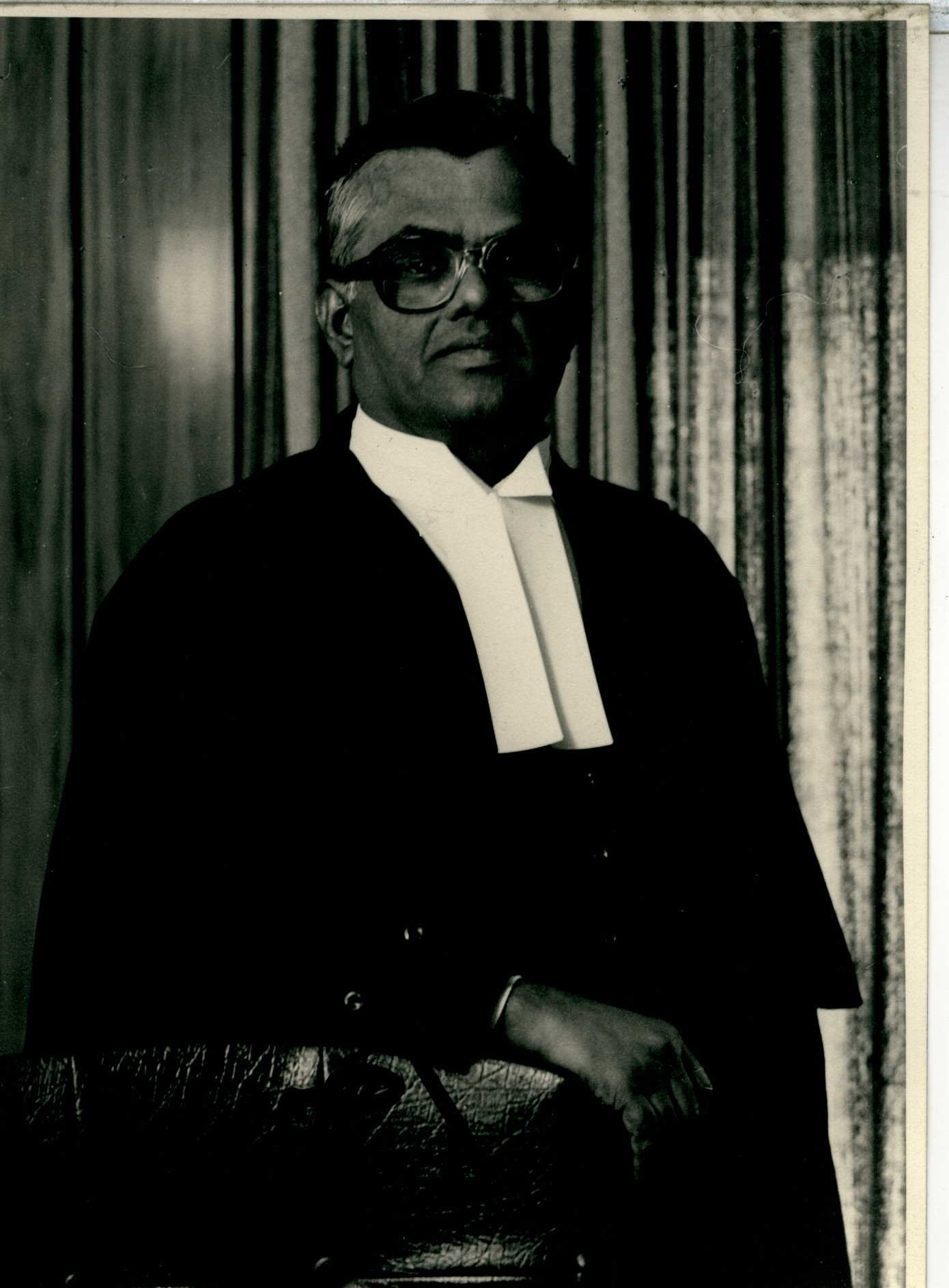
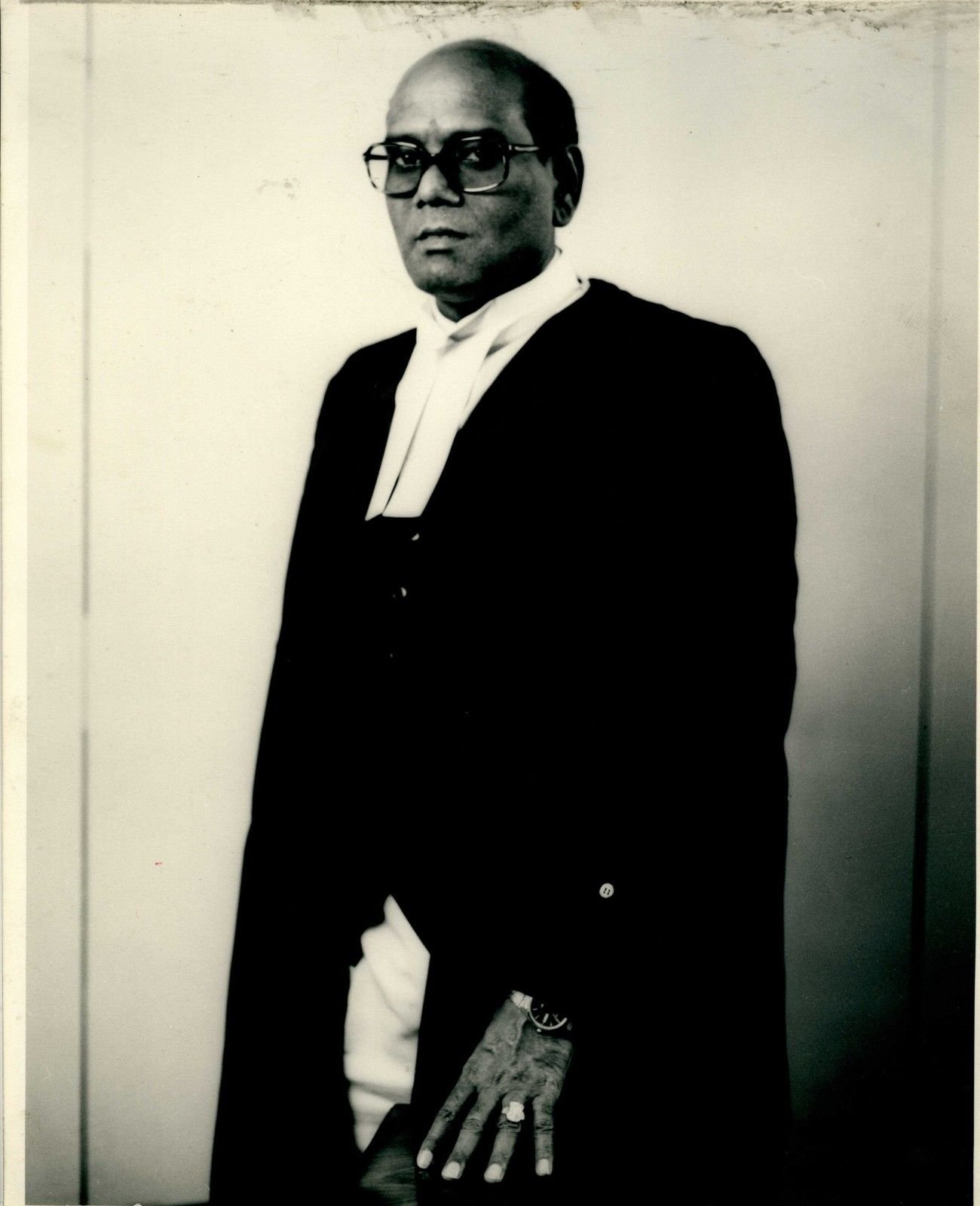
Bench
Applied Acts & Sections
No Acts & Articles mentioned in this case

Source & Integrity Notice
This is a faithful reproduction of the official record from the e-Courts Services portal, extracted for research.
To ensure "Contextual Integrity," all AI insights must be cross-referenced with the official PDF,
which remains the sole authoritative version for judicial purposes.
This platform provides research aids, not legal advice; verify all content against the official Court Registry before legal use.
Legal Notes
Add a Note....