
As per case facts, the Karnataka Public Service Commission (KPSC) conducted competitive examinations for State Civil Services. Instructions mandated candidates to write their roll numbers only on the front page ...
No Acts & Articles mentioned in this case
http://JUDIS.NIC.IN SUPREME COURT OF INDIA Page 1 of 6
PETITIONER:
KARNATAKA PUBLIC SERVICE COMMISSION AND ORS. ETC.
Vs.
RESPONDENT:
B.M. VIJAYA SHANKAR AND ORS.
DATE OF JUDGMENT14/02/1992
BENCH:
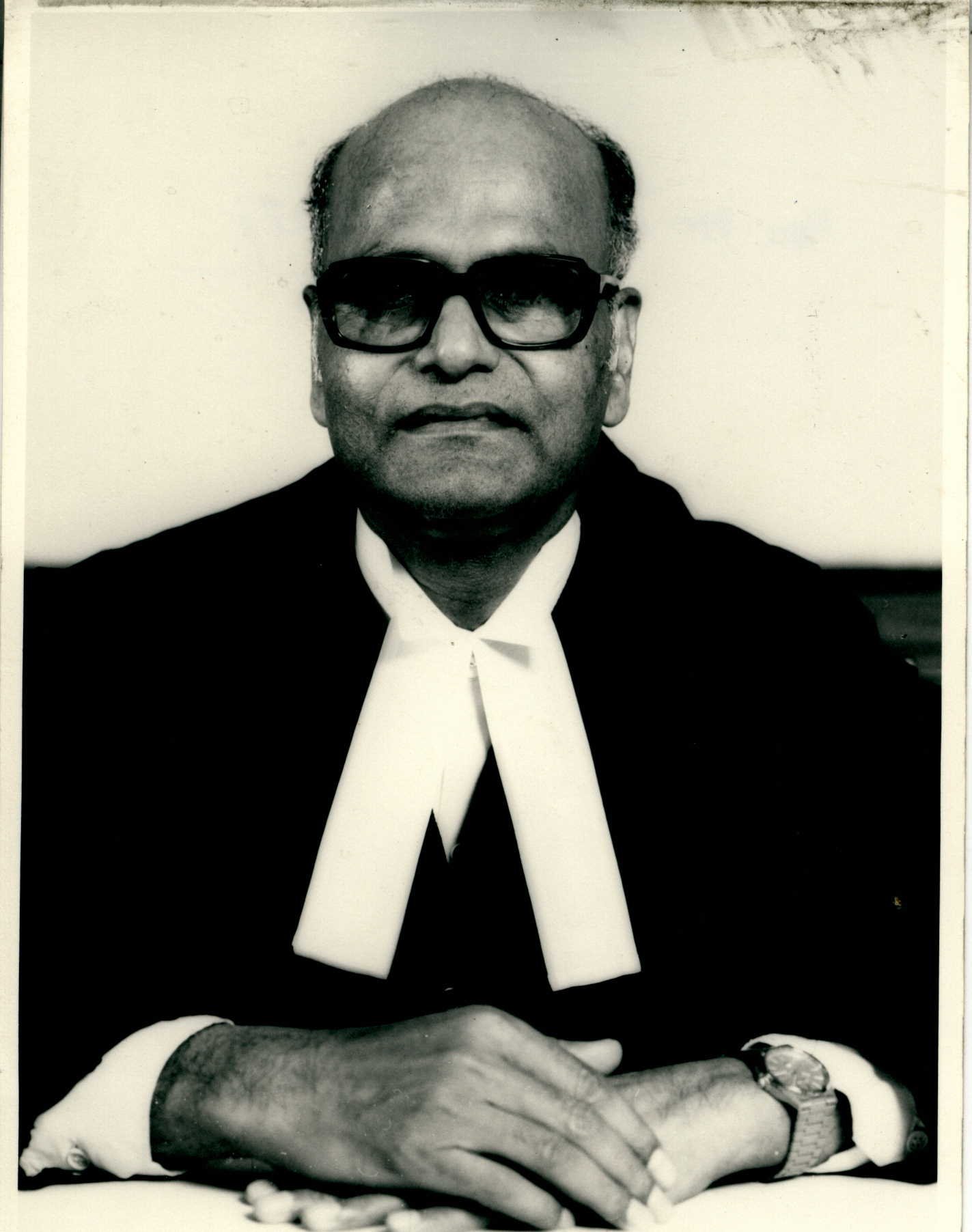
SAHAI, R.M. (J)
BENCH:
SAHAI, R.M. (J)
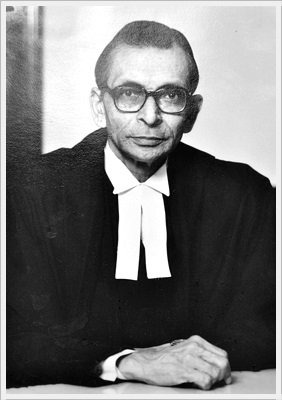
OJHA, N.D. (J)
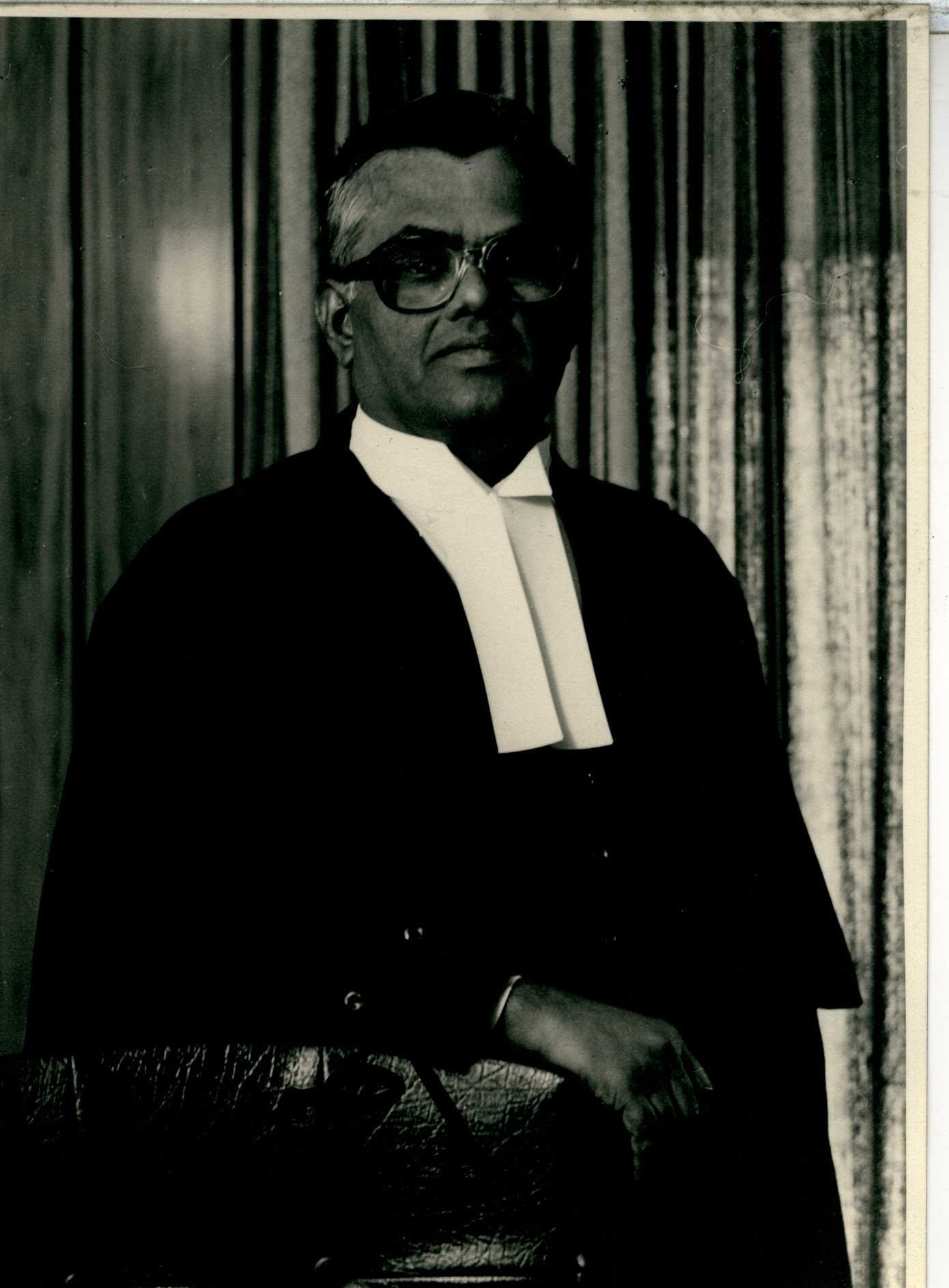
PANDIAN, S.R. (J)
KULDIP SINGH (J)
SHETTY, K.J. (J)
CITATION:
1992 AIR 952 1992 SCR (1) 668
1992 SCC (2) 206 JT 1992 (4) 348
1992 SCALE (1)451
ACT:
Service Law-Karnataka Public Service Commission-
Recruitment to State Civil Service-Competitive Examinations-
General Instructions (I) (XII) and (XIII)-Instructions to
candidates not to write Roll Numbers anywhere in the Answer
Sheet except on the space provided on the front page-Breach
of instruction by some candidates-Non-evaluation of answer
sheets by Commission-Action of Commission held not
arbitrary-Failure to provide hearing opportunity to
candidates held not violative of natural justice-Directions
given to grant relaxation in age and chance to avail.
Natural justice-Rule of hearing-Exceptions-Rule is
construed strictly in academic disciplines-It should be
construed more strictly in competitive examinations.
HEADNOTE:
The Karnataka Public Service Commission conducted
competitive examinations for the State Civil Services.
Clause (I) of the General Instructions to the candidates
provided that the candidates should write their roll number
only on the front page of the answer books in the space
provided for it and not anywhere else inside the answer
sheet. Clause (xii) provided that the candidates must abide
by the instructions and clause (xiii) provided that failure
to abide by the instructions will render them liable to
expulsion from examination or such other punishment as the
Commission may deem fit. Some of the candidates violated
the instructions and entered their roll numbers inside the
answer books. Consequently their answer books were not got
evaluated by the Commission. The candidates challenged the
action of the Commission before the Karnataka Administrative
Tribunal which directed the Commission to get their answer
books evaluated by holding that (i) no penalty was provided
for breach of the instructions and (ii) the failure of the
Commission to afford any opportunity to the candidates to
explain their bonafide and innocence was arbitrary. Against
the decision of the Tribunal the Commission and
669
http://JUDIS.NIC.IN SUPREME COURT OF INDIA Page 2 of 6
the State filed appeals in this Court.
Allowing the appeals and setting aside the order of
the Tribunal, this Court,
HELD: 1. The Tribunal faulted in inferring that no
penalty was provided for breach of instructions requiring a
candidate not to write his role number inside the answer
book. The expression `such other punishment as the
Commission may deem fit to impose' in clause (xiii) of the
General Instructions read with clause (xii) provides action
for breach of that which is, clearly specified. Provisions
attempting to infuse discipline in competitive examinations
cannot be construed with same yardstick as a provisions in
penal statutes. Direction not to write roll number was
clear and explicit. Once it was violated the issue of
bonafide and honest mistake did not arise. [671C, G-H,
672A, 673D]
1.1. However, the Commission did not impose any penalty
on the candidates because neither their examination was
cancelled nor were they debarred from taking any examination
conducted by the Commission. The only action taken was that
those answer books in which roll number had been written
inside were not subjected to evaluation. Therefore the
action of the Commission could not be characterised as
arbitrary. [672B-C]
2. Natural justice is a concept which has succeeded in
keeping the arbitrary action within limits and preserving
the rule of law. But with all the religious rigidity with
which it should be observed, since it is ultimately weighed
in balance of fairness, the courts have been circumspect in
extending it to situations where it would cause more
injustice than justice. Absence of any expectation of
hearing in matters which do not affect any interest and call
for immediate action, such as the present one, where it
would have delayed declaration of list of other candidates
which would have been more unfair and unjust are rare but
well recognised exceptions to the rule of natural justice.
[672F-H; 673C-D]
2.1. Even though the procedure of affording hearing is
as important as decision on merits yet urgency of the
matter, or public interest at times require flexibility in
application of the rule as the circumstances of the case and
the nature of the matter required to be dealt may serve
interest of justice better by denying opportunity of hearing
and permitting the person concerned to challenge the order
itself on merits not for lack of hearing to
670
establish bonafide or innocence but for being otherwise
arbitrary or against rules. [672G-H]
2.2. Rule of hearing has been construed strictly in
academic disciplines. It should be construed more strictly
in such cases where an examinee is competing for Civil
Service post. Present case can safely be placed in a
category where natural justice before taking any action
stood excluded as it did not involve any misconduct or
punishment. Therefore the Tribunal in issuing the
directions approached the matter technically and completely
misdirected itself in this regard. [673E-F, 673H, 673G]
JUDGMENT:
CIVIL APPELLATE JURISDICTION : Civil Appeal Nos. 369-
393 of 1991.
From the Judgment and Order dated 13.9.1990 of the
Karnataka Administrative Tribunal, Bangalore, in Application
http://JUDIS.NIC.IN SUPREME COURT OF INDIA Page 3 of 6
Nos. 875, 4243, 4632, 1978 to 1980, 2974, 676, 677, 4483,
1499, 2022,1500,2023, 3357, 1865, 1781, 1684, 3484, 3479,
2724, 2080, 3926, 4113, 4279, 3527 and 4553 of 1990.
WITH
Civil Appeal Nos. 825-826 and 394-397 of 1991.
R.N. Narsimhamurthy, E.C. Vidyasagar, M. Veerappa, Kh.
Nobin Singh, Ms. Kiran Suri, P.P. Tripathi, N.S. Das Bahl,
Ms. Lalitha Kaushik, S.K. Kulkarni, Sury Kant, D.B. Vohra
and L.R. Singh for the appearing parties.
The Judgment of the Court was delivered by
R.M. SAHAI, J. Does the rule of natural justice has no
exception ? Is denial of opportunity of hearing, in every
circumstance, arbitrary? The State of Karnataka and the
Public Service Commission, through these appeals, seek
answer to these questions. They are aggrieved by directions,
issued by the Karnataka Administrative Tribunal, to get the
answer books of candidates evaluated who in the competitive
examinations conducted by the commission for the State Civil
Service for categories `A' and `B' post, were guilty of
writing their roll numbers not only on the front page of
the answer books, in the space provided for it, but even at
other places in disregard of instructions issued by the
Commission. Basis for the direction was failure of the
Commission to afford any opportunity to the candidates
671
to explain their bonafide and innocence therefore it was
arbitrary and it entailed grave consequences for those who
were aspirants for entering into public service.
Power and authority of the Commission to hold
examinations, regulate its working and functioning take
action against erring candidates guilty of misconduct are
all provided for by the rules and instructions issued in
exercise of power conferred by the Statutes. The claim of
the candidates that they did not vest any right in the
Commission to take such action was negatived by the
tribunal. But it faulted in inferring that no penalty was
provided for breach of instructions requiring a candidate
not to write his roll number inside the answer book.
Relevant clause (1) of the Instructions to Candidates is
extracted below:
"Before commencing your answers please write your
register number and other particulars in the space
provided above. Do not write your name or
register number or sign any where in the answer
book or on any loose sheets, such as precis
sheets,maps, graph papers, etc.'
It is not disputed and it was found, even by the
tribunal that it was printed on the first page of every,
answer book. Its observance was mandatory and its disregard
was punishable is clear from instruction (xii) and (xiii)
of General Instructions to the candidates which are
extracted below:
"(xii) The candidates must abide by such
instructions as may be specified on the cover of
the answer book or any further instructions which
may be given by the Supervisor/Invigilator of the
Examination.
(xiii) If the candidates fail to do so or indulge
in disorderly or improper conduct, they will
render themselves liable to expulsion from
examination and or such other punishment as the
Commission may deem fit to impose."
Is the expression, 'such other punishment as the
commission may deem fit to impose' vague and thus arbitrary?
We do not think so.Read with clause (xii) it presents no
http://JUDIS.NIC.IN SUPREME COURT OF INDIA Page 4 of 6
difficulty. It provides action for breach of that which is,
clearly, specified. It cannot be characterised as vague.
And then any capricious exercise of power can always be
assailed. More important
672
than this is that provisions attempting to infuse discipline
in competitive to be conducted by the Commission cannot be
construed with same yardstick as a provision in penal
statutes. Moreover the Commission did not impose any penalty
on the candidates. Their examination was not cancelled nor
they were debarred from taking any examination conducted by
the Commission for that year or any year, in future. Their
marks in papers, other than those in which they were found
to have acted in disregard of instructions were declared.
The only action taken was that those answer books in which
roll numbers had been written inside were not subjected to
evaluation. In our opinion there was nothing,
basically,wrong in it. The Commission did not treat it as
misconduct. The action could not be termed as arbitrary.
Nor it was abuse of power which could be corrected by
judicial review.
Such instructions are issued to ensure fairness in the
examination. In the fast deteriorating standards of honesty
and morality in the society the insistence by the
Commission that no attempt should be made of identification
of the candidate by writing his roll number anywhere is in
the larger public interest. It is well known that the first
page of the answer book on which roll number is written is
removed and a fictitious code number is provided to rule out
any effort of any approach to the examiner. Not that a
candidate who has written his roll number would have
approached the examiner. He may have committed a bonafide
mistake. But that is not material. What was attempted to be
achieved by the instruction was to minimise any possibility
or chance of any abuse. Larger public interest demands of
observance of instruction rather than its breach.
Was natural justice violated ? Natural justice is a
concept which has succeeded in keeping the arbitrary action
within limits and preserving the rule of law. But with all
the religious rigidity with which it should be observed,
since it is ultimately weighed in balance of fairness, the
courts have been circumspect in extending it to situations
where it would cause more injustice than justice. Even
though the procedure of affording hearing is as important as
decision on merits yet urgency of the matter, or public
interest at times require flexibility in application of the
rule as the circumstances of the case and the nature of the
matter required to be dealt may serve interest of justice
better by denying opportunity of hearing and permitting the
person concerned to challenge the order itself on merits not
for lack of hearing to establish bonafide or innocence but
for being otherwise
673
arbitrary or against rules. Present is a case which, in our
opinion, can safely be placed in a category where natural
justice before taking any action stood excluded as it did
not involve any misconduct or punishment.
Competitive examinations are required to be conducted
by the Commission for public service in strict secrecy to
get the best brain. Public interest requires no compromise
on it. Any violation of it should be visited strictly.
Absence of any expectation of hearing in matters which do
not affect any interest and call for immediate action, such
as the present one, where it would have delayed declaration
of list of other candidates which would have been more
http://JUDIS.NIC.IN SUPREME COURT OF INDIA Page 5 of 6
unfair and unjust are rare but well recognised exceptions to
the rule of natural justice. It cannot be equated with where
a student is found copying in the examination or an
inference arises against him for copying due to similarity
in answers of number of other candidates or he is charged
with misconduct or misbehavior. Direction not to write roll
number was clear and explicit. It was printed on the first
page of every answer book. Once it was violated the issue
of bonafide and honest mistake did not arise. Its
consequences, even, if not provided did not make any
difference in law. The action could not be characterised as
arbitrary. It was not denial of equal opportunity. The
reverse may be true. The tribunal appears to have been
swayed by principles applied by this Court where an examinee
is found copying or using unfair means in the examination.
But in doing so the tribunal ignored a vital distinction
that there may be cases where the right of hearing may be
excluded by the very nature of the power or absence of any
expectation that the hearing shall be afforded. Rule of
hearing has been construed strictly in academic disciplines.
It should be construed more strictly in such cases where an
examinee is competing for Civil Service post. The very
nature of the competition requires that it should be fair,
above board and must infuse confidence. If this is ignored
then, as stated earlier, it is not only against public
interest but it also erodes the social sense of equality.
The tribunal in issuing directions approached the matter
technically and has attempted to make out much where it
would have been better part of discretion to refuse to
interfere. The tribunal completely misdirected itself in
this regard. In our opinion its order cannot be maintained.
Before concluding we express our unhappiness on the
letter of First member of the Public Service Commission sent
to this court that the Special Leave Petitions were filed
without authority against the decision of
674
the Commission by the Chairman and the secretary. We do not
make any comment on it but we shall be failing in our duty
if we do not place it on record that but for the action of
the Chairman and the Secretary incalculable harm would have
been caused to the institution.
In the result these appeals succeed and are allowed.
The order passed by the tribunal is set aside. The claim
petition filed by the candidates shall stand dismissed,
except to the extent indicated below.
Claim petitions were allowed on 13th September 1990.
Nearly one and half years have elapsed since then. Many of
the candidates might not have availed of their chance in
the meantime. They might have become over age. therefore,
we consider it necessary to direct that the Commission shall
grant relaxation of age and of chance to be availed, if
there is any restriction in this regard, to those candidates
whose answer books were not evaluated for the reason that
they had violated the instructions and entered their roll
numbers inside the answer books. We were informed that
there were large number of such candidates. Therefore, this
decision will apply to respondents as well as others who
appeared in the examination. Relaxation shall be for one
chance only to be availed of in the next examination.
The appeal nos. 394-397/91 have been filed by the
selected candidates. Since the appeal of the Commission has
been allowed it is not necessary to pass any order in these
appeals. They shall stand disposed of accordingly.
parties shall bear their own costs.
T.N.A. Appeals allowed.
http://JUDIS.NIC.IN SUPREME COURT OF INDIA Page 6 of 6
675

 Login with google
Legal Notes
Add a Note....